The National Cereals and Produce Board (NCPB) has offered drying facilities and operational laboratories to test aflatoxin levels in food products.
The move is a relief to cereal farmers as it will reduce post-harvest losses due to poor storage facilities.
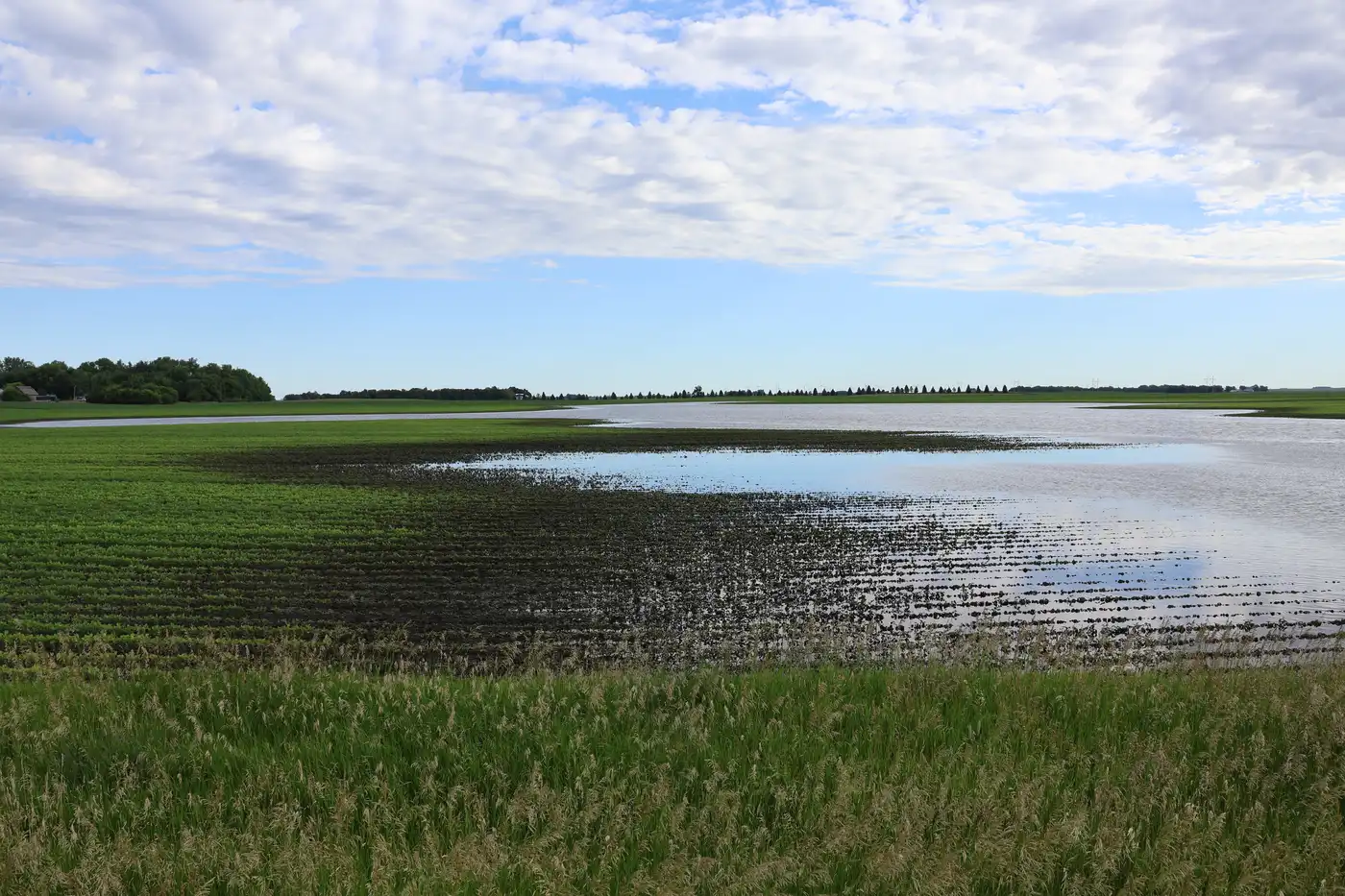
Cereal farmers will now have access to drying, cleaning, grading, storage, and aflatoxin testing facilities at most NCPB depots. This will cushion them from losses as a result of the expected El Niño, which threatens to wipe out the gains from the expected bumper harvest.
Farmers can now access drying, aflatoxin testing, and storage facilities among other services in our stores to ensure they maintain quality services and food safety," said NCPB Managing Director Joseph Kimote.
He disclosed that the board was operating fixed and mobile dryers to cushion farmers from post-harvest losses due to humidity, which affects fungal damage to crops.
This comes after the government released Sh2 billion for the purchase of dryers to be distributed to farmers to dry their maize and cushion them against crop losses as a result of extreme weather conditions linked to the El Niño rains.
The NCPB has also commissioned additional laboratories to test aflatoxin levels in food crops to ensure they meet standards approved by the Kenya Bureau of Standards (KEBS) to be fit for human consumption.
Cereal products
"We have set up the laboratories in our depots in Meru, Kitale, Eldoret, Nakuru, and Machakos to enable farmers and millers to access low cost of testing aflatoxin in cereal products," Mr Kimote explained.
He urged millers and agro-food processors to use the laboratories to test grain and food products for aflatoxin, which can pose health risks to consumers.
The fear of aflatoxin contamination in maize comes as farmers prepare to harvest this season's crop.
Consumption of high levels of aflatoxin can be fatal, and chronic exposure has been linked to liver cancer, suppressed immune response and stunted growth in children.
Kenya has one of the highest rates of aflatoxin exposure in the world.
Kebs has set up a standards committee that includes the ministries of Agriculture, Health, and Trade; NCPB, Kalro, the East African Grain Council (EAGC), and millers, among others, to assess the impact of aflatoxin on food products.
According to Dr Geoffrey Muriira, the Kenya Bureau of Standards (Rebs) Director of Quality Assurance, the agency has imposed strict conditions on aflatoxin levels as it embarks on a sensitization process to ensure millers and agro-processors adhere to the required standards.
"We have had workshops with millers and lack of reagents emerged among the challenges, but the main problem is that aflatoxin is in the soil," said Dr Muriira.
According to the Director-General of the Kenya Agricultural and Livestock Research Organisation (Kalro), Dr Eliud Kireger, Kenya's food problems are compounded by the fact that "aflatoxin is in the soil".
"It is all over the country. We have not understood why it is high in some areas," he said in an earlier interview.
Millers have been facing a shortage of reagents for the past three months, despite investing over Shl million to buy machines to test for aflatoxin as part of the conditions set by Kes to ensure the quality of maize and wheat flour, among other grain products, for consumers.
"Cereal farmers and those in the food value chain like millers, traders, and agro-processors are faced with challenges accessing reagents for aflatoxin testing services," said King'etich Mutai, a member of the Grain Belt Millers Association (GBMA) that brings together more than 50 small millers countrywide.
The main suppliers of the reagents attributed the shortage to challenges in sourcing the chemicals from their external dealers.
Source - https://nation.africa