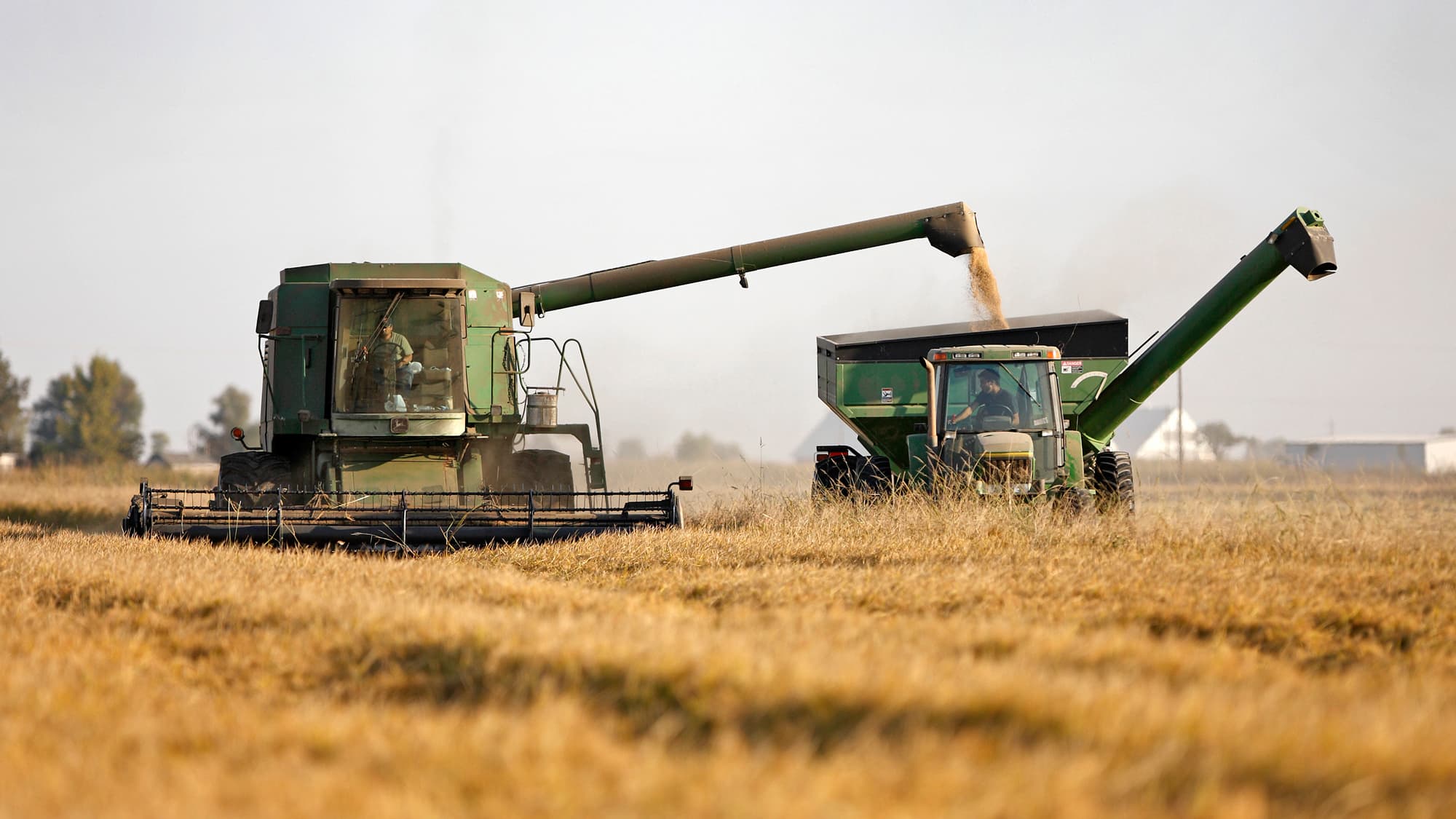
CS Kagwe said in August that the country expects a shortfall of about 25 million 90kg bags against annual consumption of roughly 75m bags.
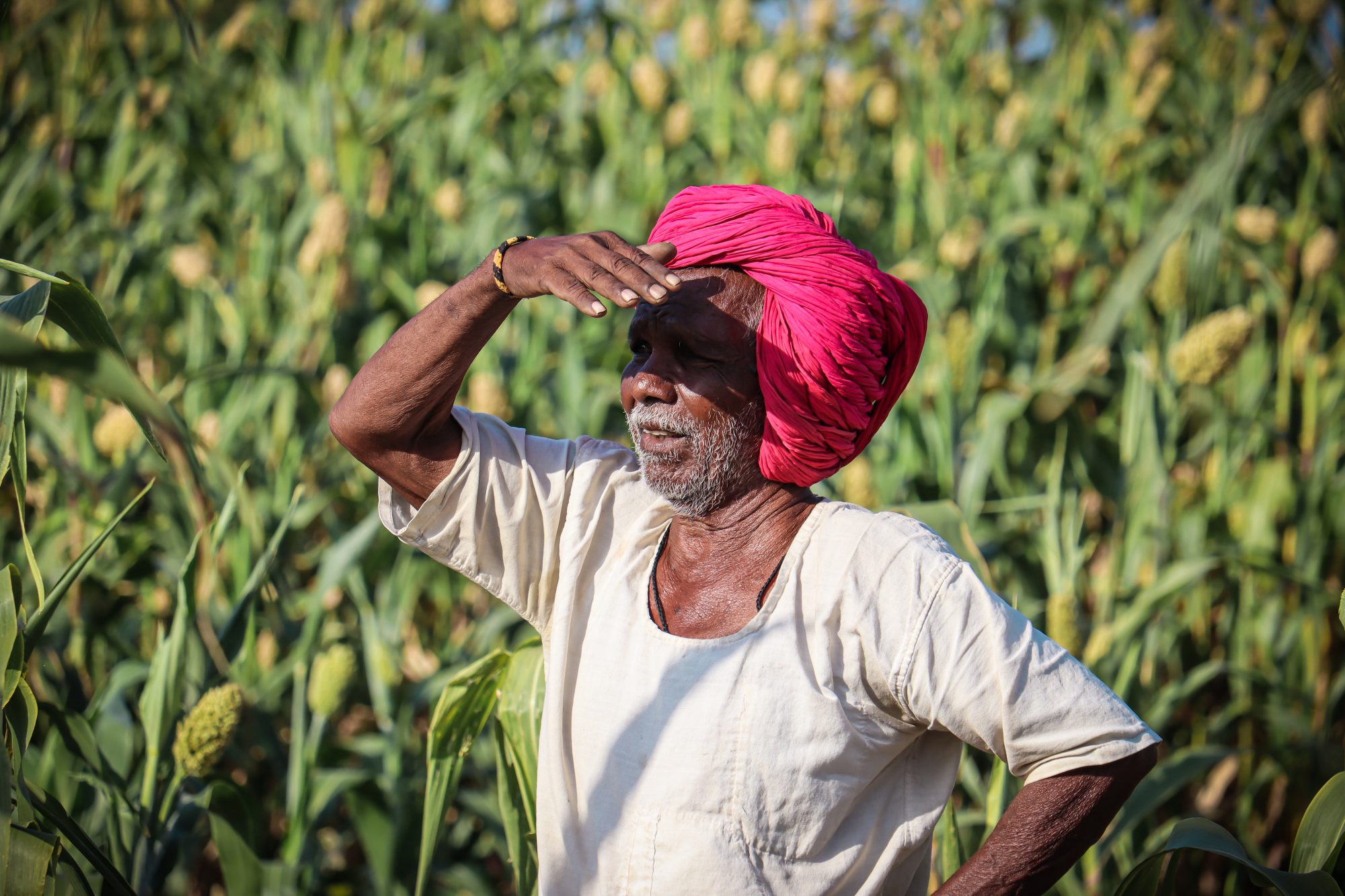
Maize farmers in Kitale, Trans Nzoia County, are counting huge losses following a historical crop failure attributed to drought.
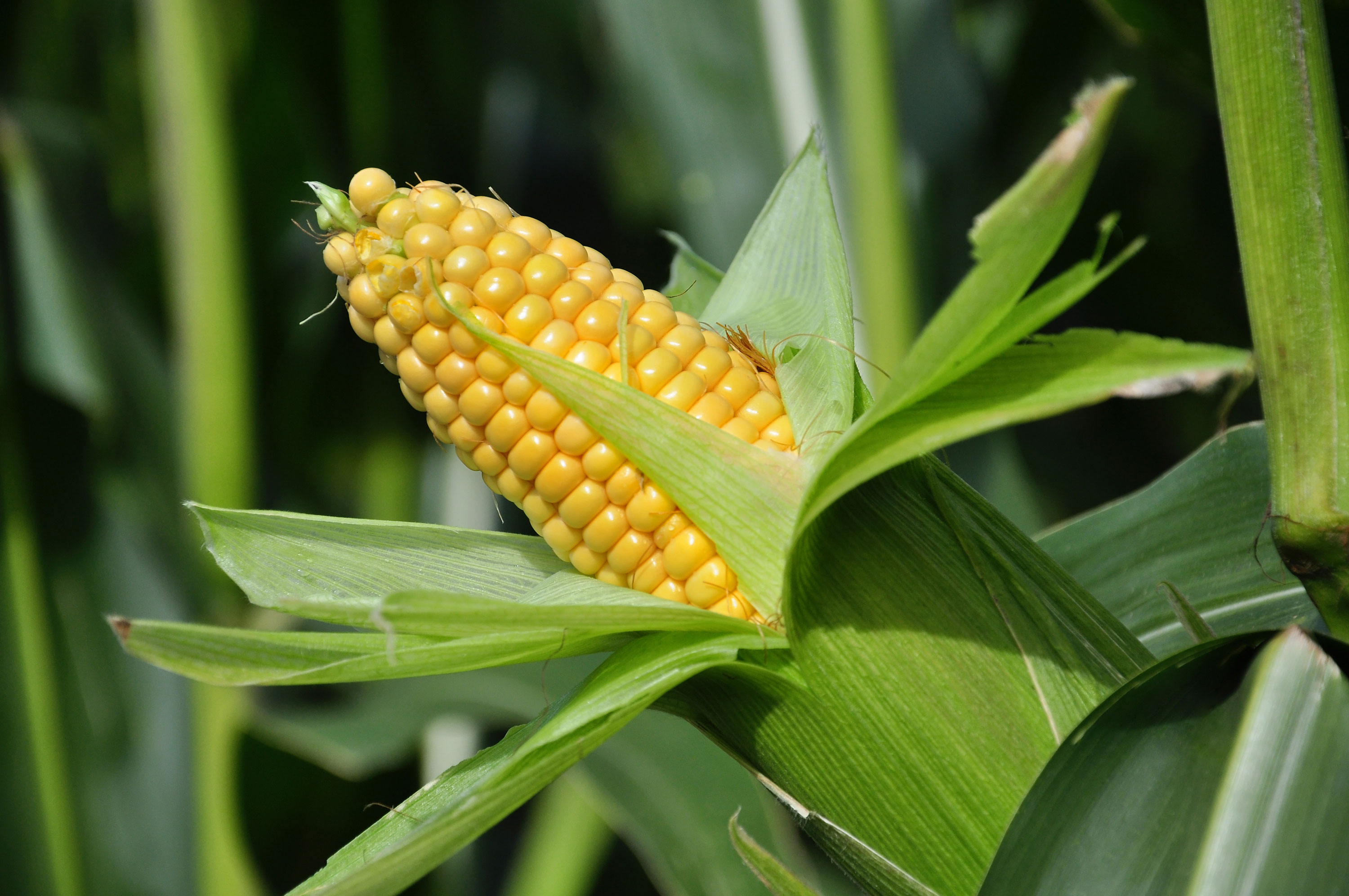
Mary Kungu's livelihood has relied on maize growing for seven years, often harvesting between 30 and 40 bags from an acre in a good season. But this year, she could barely get 10 bags from the same acre.
The drastic decline has left her wondering whether to continue growing maize.
“This year, the weather has not been good and it has been a dry year. Where I could harvest 65 to 70 bags from five acres, I harvested only two bags,” she said.
The farmer planted her maize between February and March and harvested from August. She says the unpredictable rainfall made it difficult for farmers to determine when to plant, with some planting early and others waiting for the rains.
“My spirit is down. This is a huge loss. I am not even sure whether it was the seeds we planted that were not of good quality or whether it was the rains that failed us,” Mary said.
She now hopes researchers will help farmers access maize varieties that can withstand prolonged dry spells.
“I hope our researchers can support farmers with drought-tolerant seeds to fight such problems,” she says.
Mary is already mulling abandoning maize and switching to sugarcane.
“This is not my will, but if the harvests continue to reduce this drastically, I will have no choice but to move away from maize farming completely,” she says.
The crop failure is widespread across the North Rift region where Kenya’s major maize-producing counties are located.
Joseph Njoroge, a farmer from Kiraita in Kwanza sub-county, Trans Nzoia, has grown maize for more than two decades. He normally plants between 30 and 35 acres and can harvest between 30 to 40 bags per acre when the weather is favourable.
This season, he harvested only eight bags from four acres.
“Even getting two bags from one acre has been a problem. From the same four acres, I could harvest between 100 and 120 bags during a good season,” he says.
Njoroge prepared his land in February and planted in March after some rains. By May, the rains had disappeared.
“We have not had any rains since then. That is how our maize crop was affected,” he says.
The scale of losses in Trans Nzoia is significant. County agriculture officials estimate that more than 50,000 acres of maize have been destroyed by the prolonged dry conditions.
The damage comes at a time when Kenya is already facing a projected maize deficit.
Agriculture and Livestock Development Cabinet Secretary Mutahi Kagwe said in August that the country expects a shortfall of about 25 million 90kg bags against annual consumption of roughly 75 million bags. The government has announced plans to import up to 25 million bags to bridge the anticipated gap.
But Njoroge says the rising price of maize offers little comfort because there is hardly enough grain to sell.
He says the price of a 90kg bag has risen from about Sh3,800 last year to Sh4,000 and above this year. “There is no maize, hence the increase in price,” he says.
Njoroge urged the government to reduce the cost of fertiliser in the next season to help farmers recover from the losses.
Gakuo Mwangi, the Association Kenya Feed Manufacturers (AKEFEMA) chairman for Mt Kenya region said the deficit is not only a threat to household food supplies but will also creat pressure in the livestock sector because maize is a major raw material for animal feed.
“Shortages and rising costs of raw materials have already pushed commercial feed prices up by about 30 per cent,” he said.
The high cost of feed is increasing production costs for poultry, dairy, pig and beef farmers.
The Kenya Agricultural and Livestock Research Organisation (KALRO) says drought, low soil fertility, pests and diseases remain among the major constraints to maize production in the country. It estimates national average maize yields at about two tonnes per hectare, despite much higher yield potential in some areas.
Dr Martin Murigi, Institute Director at the KALRO Biotechnology Research Institute, says the losses being experienced by North Rift farmers are a reflection of changing weather patterns associated with climate change.
He said researchers have developed early-maturing and drought-tolerant varieties to help farmers cope with shorter and less predictable rainfall seasons.
One of these is Ukamez, an early-maturing variety developed for drought-prone conditions. It is a drought-tolerant, stay-green variety that matures in about 90 to 100 days.
“When we say that we'll have very short rains, we normally advise farmers to plant early-maturing crops,” Murigi says.
But he says conventional breeding is only one part of the response.
Researchers are also using biotechnology to develop maize with resistance to pests such as armyworm and stem borers. For instance, TELA maize is an insect-protected and drought-tolerant maize variety which has been developed using biotechnology alongside conventional breeding.
Murigi says climate change is also altering the pest and disease landscape, making technologies that can protect crops increasingly important.
“The other aspect that comes with climate change is the introduction of pests and also diseases. As the weather patterns change, different organisms, including insects or viruses, we have seen an introduction of more of these,” he says.
The armyworm, first reported in Kenya in 2016, has become an important maize production challenge. Murigi said researchers have been working with partners on maize variety which incorporates insect resistance.
However, access to some biotechnology products remains subject to Kenya's regulatory and legal processes, meaning farmers cannot automatically access every variety under development or evaluation.
For farmers already counting losses, the gap between research and access remains critical.
Mary said farmers need technologies that are not only developed in laboratories and research stations but are available, affordable and suited to the conditions they face in the field.
“We need varieties that can withstand drought because the weather is changing,” she said.
Instant analysis
Prolonged dry spells after uneven rainfall have hit key maize-producing areas, with FEWS NET projecting about a 15 per cent maize yield loss in parts of western Kenya and the North Rift. The impact goes beyond the farm. Lower harvests are tightening grain supplies, pushing up food prices and increasing pressure on the country to rely on imports. The government has announced plans to import 25 million 90kg bags of maize to bridge the expected deficit.
Source - https://www.the-star.co.ke