Kyrgyzstan Combats Pastureland Degradation to Safeguard Livestock Farming

26.03.2025 303 views

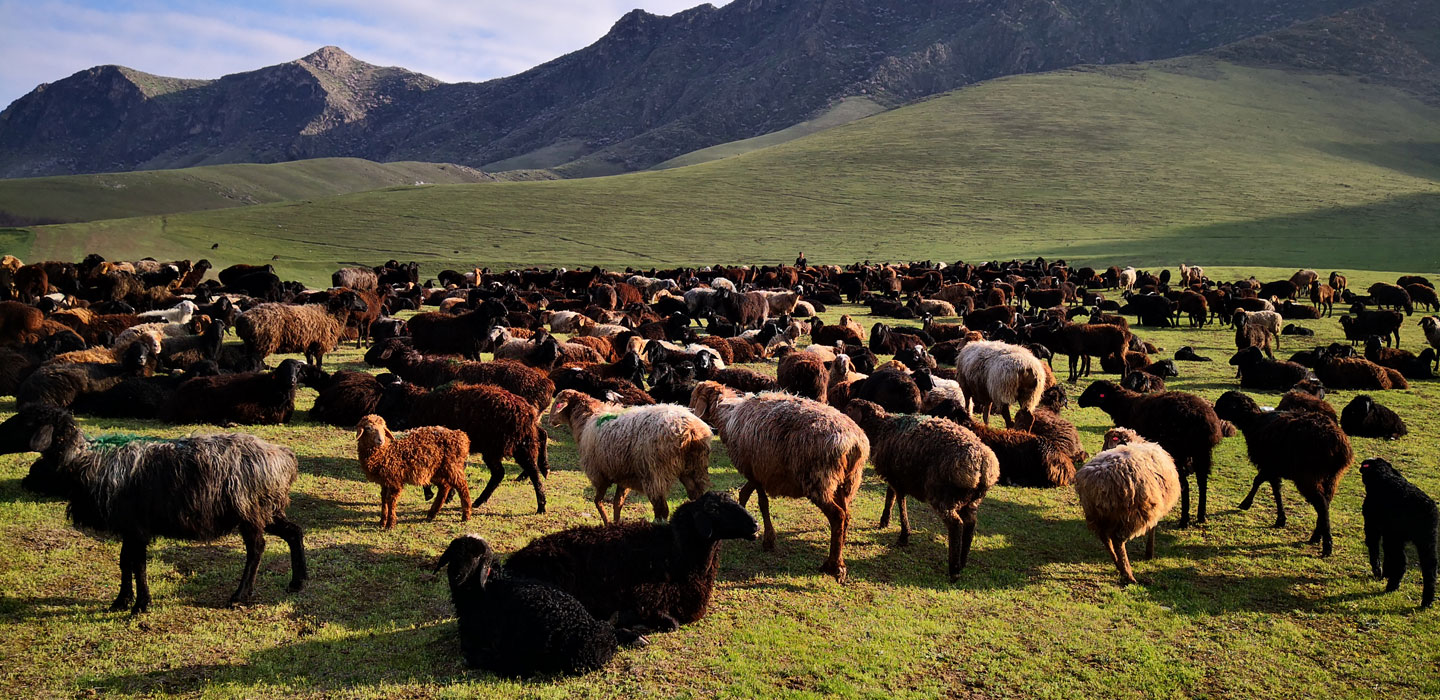
Pastureland is a strategic asset for Kyrgyzstan, where agriculture forms the backbone of rural livelihoods. A majority of the population depends on raising sheep, cattle, and horses for food and income. However, widespread degradation of pastureland, especially near settlements, now poses a growing threat to the country’s livestock sector.

Farmers and herders increasingly favor grazing their animals on easily accessible village pastures, leaving more remote areas underused. This uneven distribution has led to overgrazing and deterioration of pastures near populated areas. According to the Ministry of Water Resources, Agriculture and Processing Industry, more than 139,000 hectares of village pastures have been degraded and require restoration.

Policy Response: Grazing Restrictions and Seasonal Rotation

In response, the ministry has issued a directive mandating seasonal rotation of grazing lands. Under the new policy, farmers must move their livestock to distant pastures between April 15 and September 15 each year.

This initiative aims to:

  • Preserve natural ecosystems
  • Promote responsible use of state-owned pastureland
  • Enhance livestock productivity through improved pasture management

Grass Reseeding Campaign Underway

To rehabilitate affected areas, the government has launched a nationwide reseeding campaign. For the 2025 season, the Ministry of Agriculture has procured 94,462 kilograms of sainfoin seeds and 137,725 kilograms of other pasture grass seeds. These have been distributed across regions for use by local farmers and pasture users.

The reseeding effort is expected to help restore 15,299 hectares of degraded pastureland. As of now, 2,810 hectares have already been sown with a mix of sainfoin and pasture grasses.

This proactive approach underscores Kyrgyzstan’s commitment to sustainable agriculture and long-term food security. Ensuring the health of its pastures is not just an environmental necessity, it’s an economic imperative for the thousands of families who depend on livestock farming for their livelihoods.


Source - https://timesca.com

28.12.2025

Pakistan - Agriculture Department Accused of Misappropriating Farmers’ Funds in Panjgur

Panjgur farmers have raised serious allegations against the Agriculture Water Management Department for misappropriating funds intended for local farmers’ welfare. 

28.12.2025

Cuba - Prime Minister Highlights Performance of Urban Agriculture Over Three Decades

Cuban Prime Minister Manuel Marrero Cruz recognized the performance of urban agriculture in fostering a food and nutritional culture among the population.

28.12.2025

Vietnam pineapple growers report heavy crop losses

Pineapple growers in Quynh Thang, Vietnam, are reporting extensive losses after more than a month of yellowing leaves, root rot, and plant collapse. 

28.12.2025

Japanese Biotech Pioneer Launches ‘Open Brand’ to Drive Adoption of Cellular Agriculture

Japanese cellular agriculture specialist IntegriCulture has introduced Cellag, a brand to sell its own products, as well as those by other companies, across the food, cosmetics, and materials categories.

28.12.2025

India - Illegal removal of fertile farmland soil threatens agriculture in Jamalpur

Sadar Upazila Nirbahi Officer (UNO) Naznin Akhter confirmed awareness of the issue.

28.12.2025

India - Finance ministry to take a relook at crop insurance plan

The finance ministry has begun a review of the cup-and-cap model under the government's flagship crop insurance programme, Pradhan Mantri Fasal Bima Yojana (PMFBY), amid concerns of a sharp decline in crop insurance business.

25.12.2025

Pangasius welfare initiative set for launch in Vietnam

FAI and Fresh Studio have launched a new partnership to develop and publish Vietnam’s first pangasius welfare assessment protocol, designed to enhance the performance and sustainability of the nation’s aquaculture sector.

25.12.2025

India - TN govt allocates ₹289.63 cr as crop relief for farmers

The Tamil Nadu government has approved ₹289.63 crore in relief funds to help farmers whose crops were damaged by unseasonal rains and severe weather.