People living in Madagascar are learning to adapt to rapidly altering climatic conditions in what is said to be the fourth most climate change affected country worldwide; that’s according to the UN Resident Coordinator, the most senior UN official in the Indian Ocean island nation.
As Issa Sanogo nears the end of his posting in the capital Antananarivo, he sat down with UN News to reflect on the progress the country and its citizens have made in responding to the climate crisis.
“Recently, I met a woman farmer in the small town of Betroka, in Anosy region one of the areas in southern Madagascar which has been facing a humanitarian emergency due to drought.
It’s a challenging place in which to live at the best of times having suffered from years of underdevelopment and insecurity.
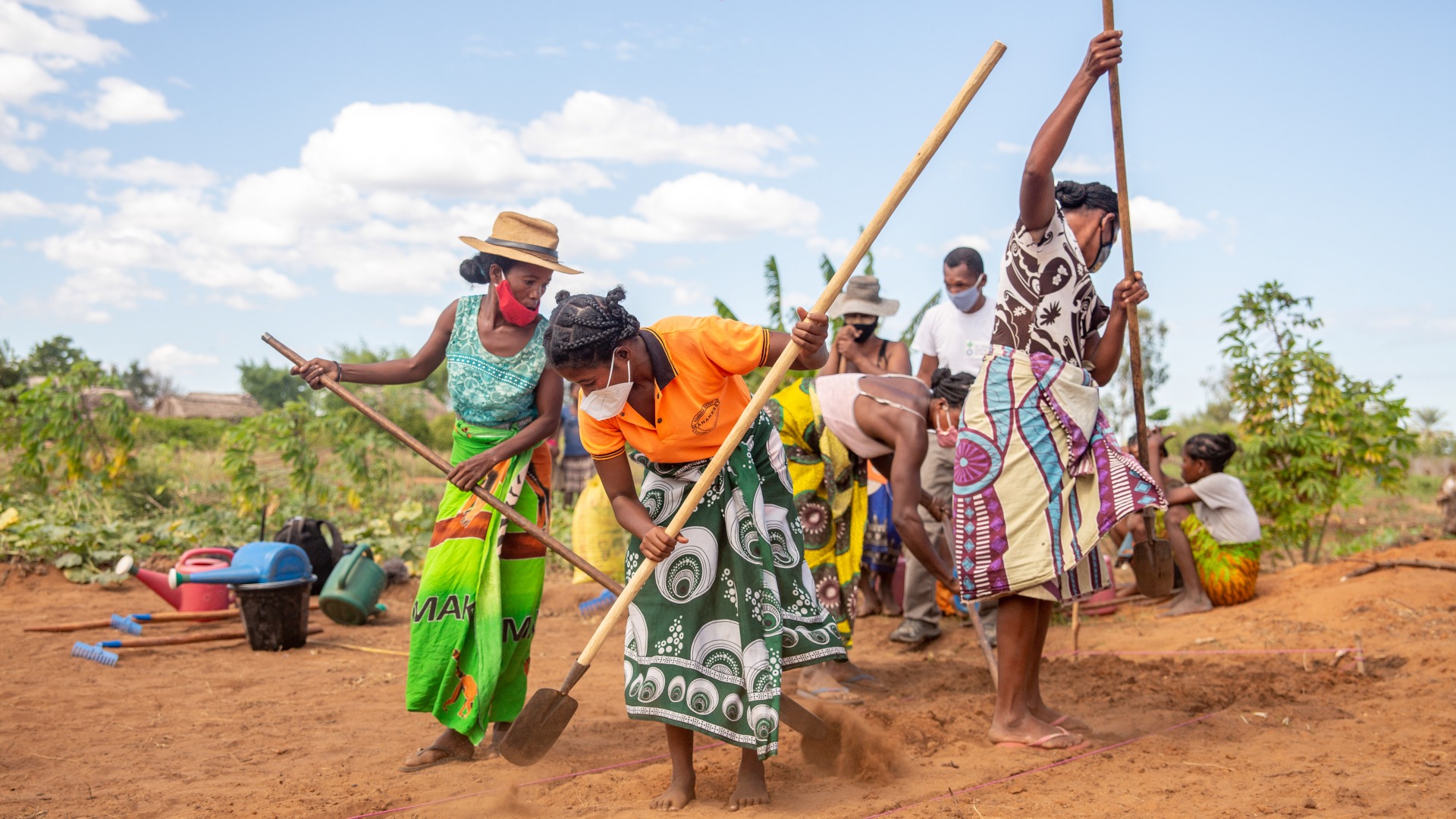
She had attended a farming school supported by the World Food Programme (WFP) and AMC, a local NGO, after which she told me how she is committed to trying new ways to grow the staple crop, cassava. She is using a compost basket which has had an incredible and immediate impact.
The increasingly dry and harsh conditions have meant that until recently each plant had only produced about four kilogrammes of the root crop. But now, with the changes she has made, her 100 or so plants are producing 20kg each, which is two tonnes, a surprising harvest on such arid land.
New opportunities
Her family has access to more nutritious food and she is able to sell what she has left over to pay for children’s education and the family’s health care needs.
This is just one example of how Malagasy people are adapting to the new reality of climate change, but there are many others.
In Behara and Ifotaka communities, to the south of Anosy region, like elsewhere access to water is a critical issue and a key programmatic entry point for what the UN is calling a Convergence Zones approach, which brings UN agencies together to leverage their expertise and improve outcomes.
The UN’s Food and Agriculture Organization (FAO) has introduced climate-smart practices to promote drought-resistant seeds such as sorghum and peanut and Californian drop-by-drop irrigation systems using solar pumps.
In Ifotaka the Rapid Rural Transformation project introduced by WFP provides the community with a solar-powered hub supplying electricity and digital access to the community school and other social structures.
In addition, it is providing entrepreneurial opportunities and creating employment for the youth, with support from the UN’s International Fund for Agricultural Development (IFAD).
UNICEF supports access to water by building solar-powered water pumps and water kiosks, providing potable water for daily use, and reducing incidence of diarrhoea and other waterborne diseases, and malnutrition.
Climate vulnerability
Madagascar is the fourth most vulnerable country in the world to climate change. It is recurrently hit by droughts and cyclones that are increasing in frequency, duration and intensity due to climate change. These effects mainly impact the south and south-east of the country.
When I arrived in Madagascar in late 2020, the country was facing its most serious drought in 40 years. Widespread hunger - called kere - was pushing communities into near famine-like conditions.
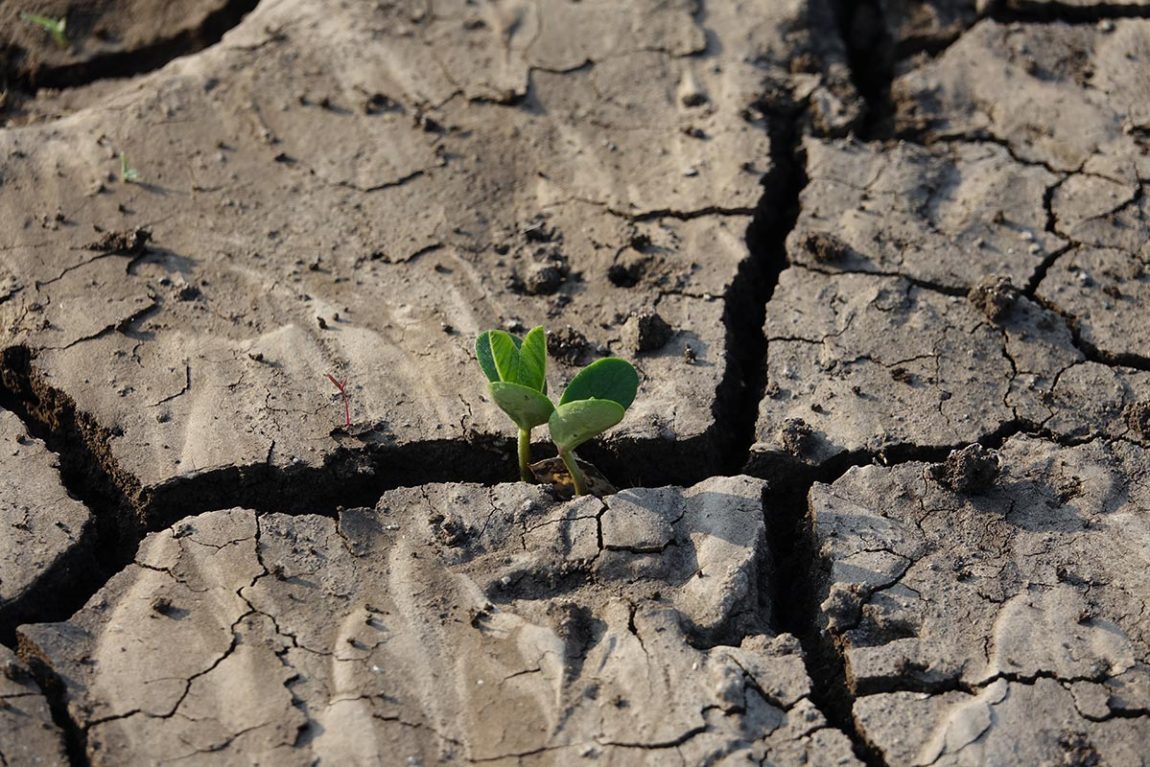
During my recent field visits to the south, I noticed how arid the land is despite the beneficial effect of extra rain due to cyclones in 2023.
Households are very dependent on rain-fed agriculture, making them more vulnerable to these increasingly unstable weather conditions.
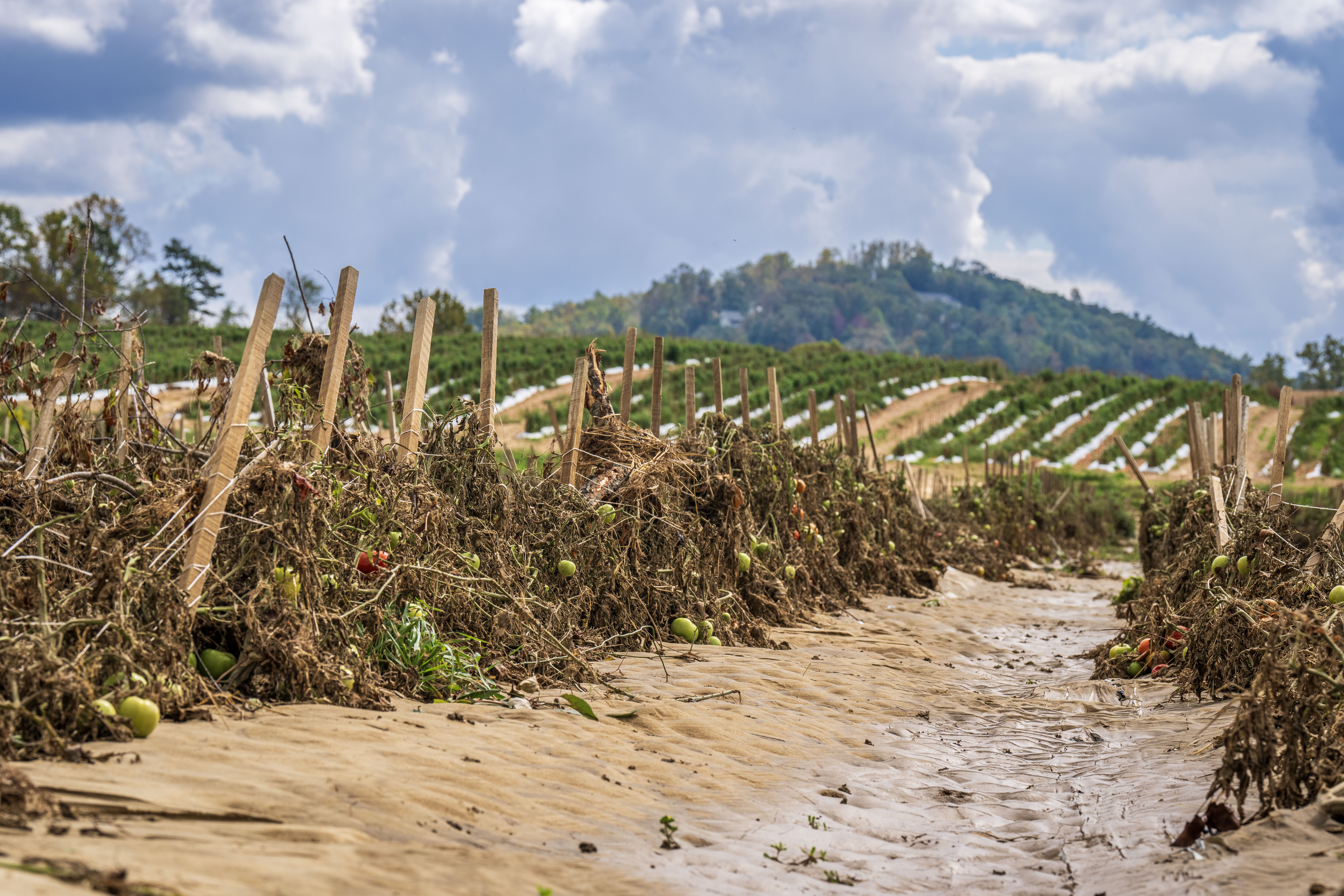
With drought, crops not only suffer from a lack of water but are also affected by the red sandstorms that destroy the plants and blow away the fertile topsoil. In these conditions, communities struggle to grow key staples and their food insecurity and malnutrition increase, with women often carrying most of the burden.
Building resilience
However, I firmly believe that preventing future crises and accelerating recovery from the effects of repetitive climate shocks requires more than emergency assistance.
Building the resilience of individuals, communities, and institutions to the effects of droughts and cyclones, including through climate change adaptation, is the only sustainable solution.
A good and simple example is the cash-for-work programme implemented by the UN Development Programme (UNDP), through which community members obtained an income for planting sisal along the coast.
The sisal helps to lessen the wind’s damaging impact on crops and retains soil moisture, stabilizing coastal sand dunes and providing protection for crops normally affected by the red sandstorms. As a result, communities are now able to grow cash crops in fields which were once lost to the sand.
UN collaboration
The UN is now working through a more integrated approach to bring more sustainable solutions to mitigate and prevent hunger and the poverty in the south.
Over the last three years, we have focused on building resilience to ease the worst effects of future droughts and reduce humanitarian needs in the long term.
As a result of these integrated interventions, we have started to see an improvement in the daily life of the local communities. The next step is to scale up this work across the south.
We aim to move collectively, beyond short-term supply-driven response efforts, to demand-driven results that can reduce people's risks, needs, and vulnerabilities
The Malagasy Government, along with the UN and technical and financial partners, have recognized the importance of refocusing on the people at the heart of the recurrent crises in these regions.
We aim to move collectively, beyond short-term supply-driven response efforts, to demand-driven results that can reduce people's risks, needs, and vulnerabilities.
El Niño
However, the situation remains fragile and the current El Niño phenomenon creates significant risk of renewed deterioration of the situation.
To support 2.3 million people in need of assistance, we recently revised our Flash Appeal to consider its potential impact.
About $39 million out of $162 million that has been requested is for anticipatory actions.
Madagascar has been selected as one of the 30 countries in the UN Secretary-General’s Early Warnings for All Initiative. The country’s action plan for 2024–2027 was the first to be completed globally and was launched in Dubai during COP28 in December 2023.
This brought significant visibility to Madagascar’s effort and helped sensitize partners to support our prevention work and the need for funding.
The plan aims to provide access to early warning systems to everyone in the country by 2027. This is an essential element for reducing humanitarian need and the cost of responses in the long term, and ultimately for progress towards the realization of the 2030 Agenda.
Source - https://news.un.org