
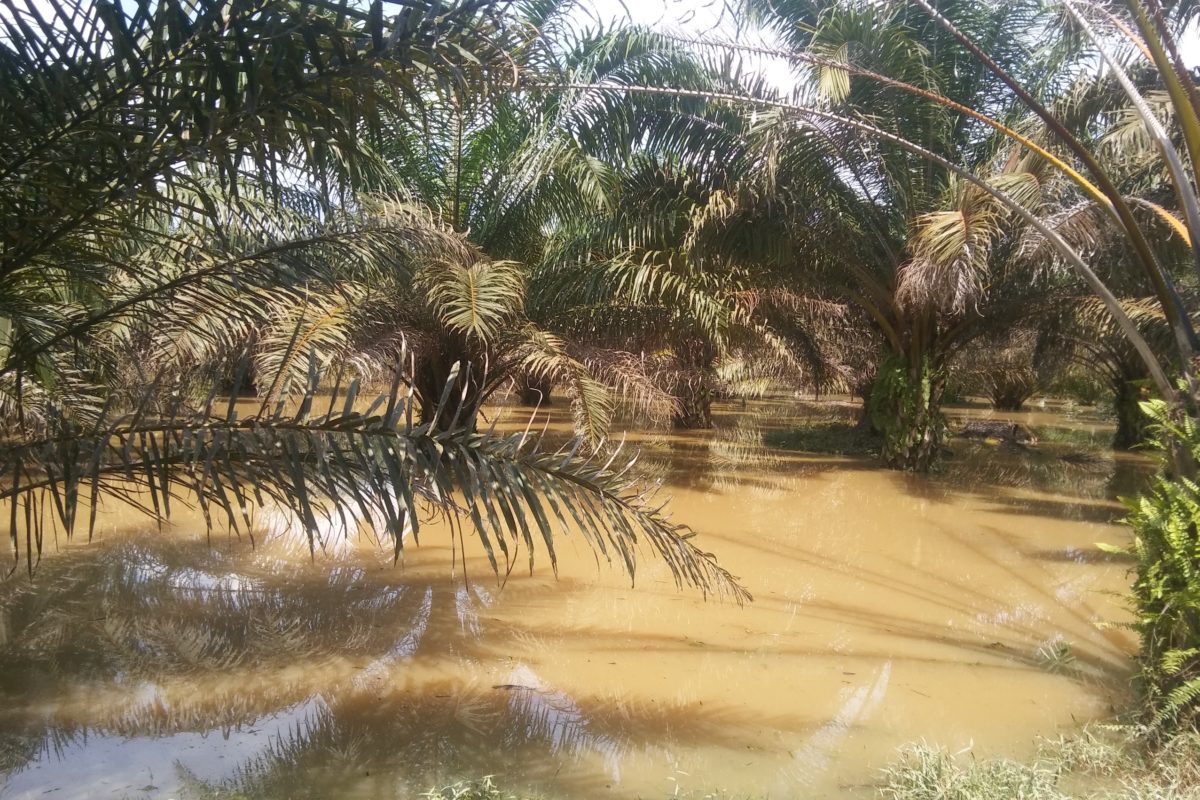
Malaysia - Floods slash palm oil output, plantations chief says

01.12.2022 885 views

Malaysian palm oil output will likely drop by 5% to 8% in November from the previous month, after heavy rains and floods disrupted plantation operations, according to United Plantations Bhd.

Rainfall was much higher than usual in October and November, which prevented harvesting and transport of palm fruit in several producing regions, chief executive director Carl Bek-Nielsen said in an interview in Kuala Lumpur. 

Supply worries due to floods have sent benchmark palm oil prices to near a four-month high in November. It’s mainly due to a weather pattern known as La Nina, which brings more rains to oil-palm regions in Indonesia and Malaysia, and drier conditions to soybean and corn areas in Argentina and Brazil. 

Many oil palm estates had water levels that were several feet high in the first 15 days of November, which will lead to crop losses, Bek-Nielsen said on the sidelines of a conference.

The main affected areas include Perak, Pahang and Johor in Malaysia, as well as Kalimantan in Indonesia. 

More details from the interview:

  • Severe labour shortage in Malaysia is being overcome; however, the earlier shortages had affected harvesting, especially during peak production months.
  • Malaysia’s total palm oil production is estimated at 18.2 million to 18.4 million tonnes this year; the second-biggest producer has lost at least 1.2 million tonnes of palm oil in fields, which translates to about six million tonnes of fresh fruit bunches.
  • “Now, there is a lot of new labour coming in, and that is alleviating the problem. Production is not dropping off the cliff because now, there are people to harvest the crop,” Bek-Nielsen said.
  • “If we had those people four months ago, then production would have been super high,” Bek-Nielsen added.

Source - https://www.theedgemarkets.com

14.05.2026

ASF outbreak deepens uncertainty for Bhutan’s pig farmers

The ministry urged farmers to immediately strengthen farm biosecurity by restricting visitors, preventing contact between domestic and wild pigs, and ensuring that any kitchen waste fed to pigs is boiled and cooked for at least 30 minutes.

14.05.2026

More focus on early detection of Nesidiocoris

In Northern Europe, the predatory bug Nesidiocoris tenuis, commonly referred to as Nesi, presents a growing challenge for tomato growers.

14.05.2026

South Africa - Five new farming risks reshape agricultural insurance

This includes combining traditional insurance with alternative instruments and broader risk tools

14.05.2026

Canada - Cattle industry calls for stronger risk management programs

Canada’s cattle sector is urging governments to modernize business risk management programs, warning that current tools are not keeping pace with market volatility, rising costs, and major policy uncertainty.

14.05.2026

India - Hailstorm-hit Growers Say Govt Ignoring Crop Insurance, Loan Waiver Pleas

Growers across Kashmir have demanded immediate government intervention after severe hailstorms and heavy rainfall caused widespread damage to orchards and standing crops in several districts, including Baramulla, Bandipora and parts of south Kashmir.

14.05.2026

USA - Michigan apple crop continues to face frost threats into May

A West Michigan apple grower says she remains optimistic about this season, even with at least eight frost-risk events so far.

12.05.2026

India - Storms damage mango, watermelon, and vegetable crops in Jharkhand

High-velocity winds, heavy rainfall, and hailstorms across Jharkhand in recent days have caused damage to seasonal fruit and vegetable crops, including mangoes, watermelons, tomatoes, coriander, okra, and gourds.

12.05.2026

Canada - AFSC rethinking honey insurance programs offered to Alberta beekeepers

Despite offering coverage for everything from bear attacks to parasitic mites, Alberta’s honey insurance programs continue to see remarkably low participation rates among the province’s beekeepers.




