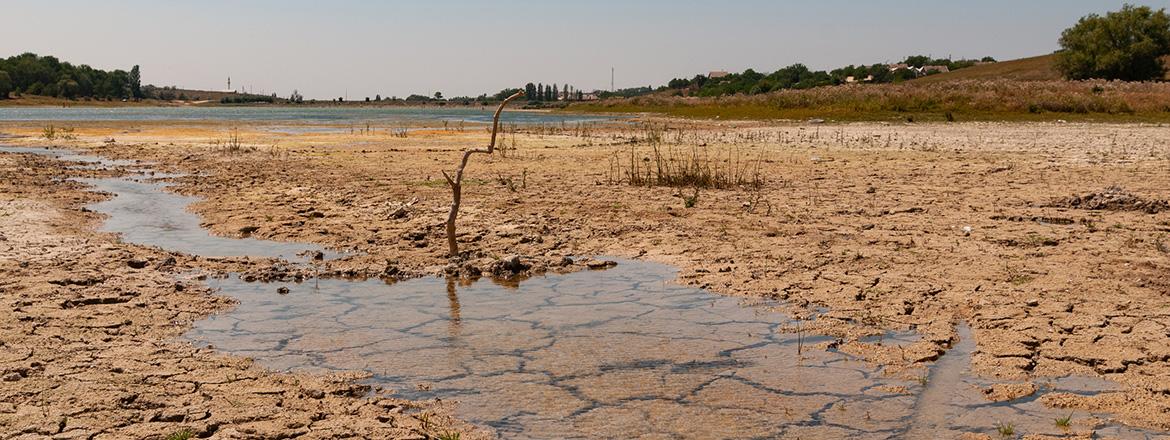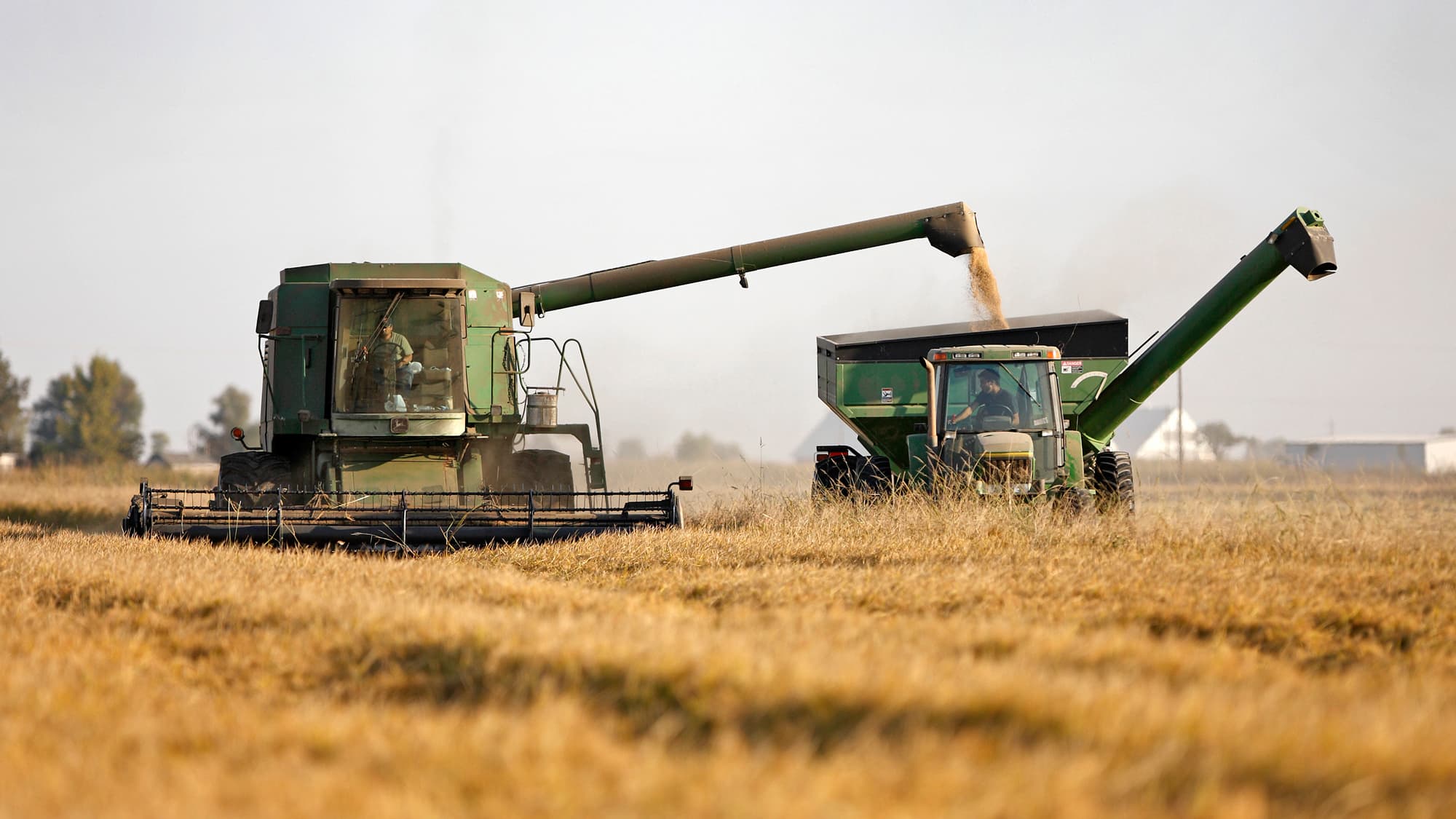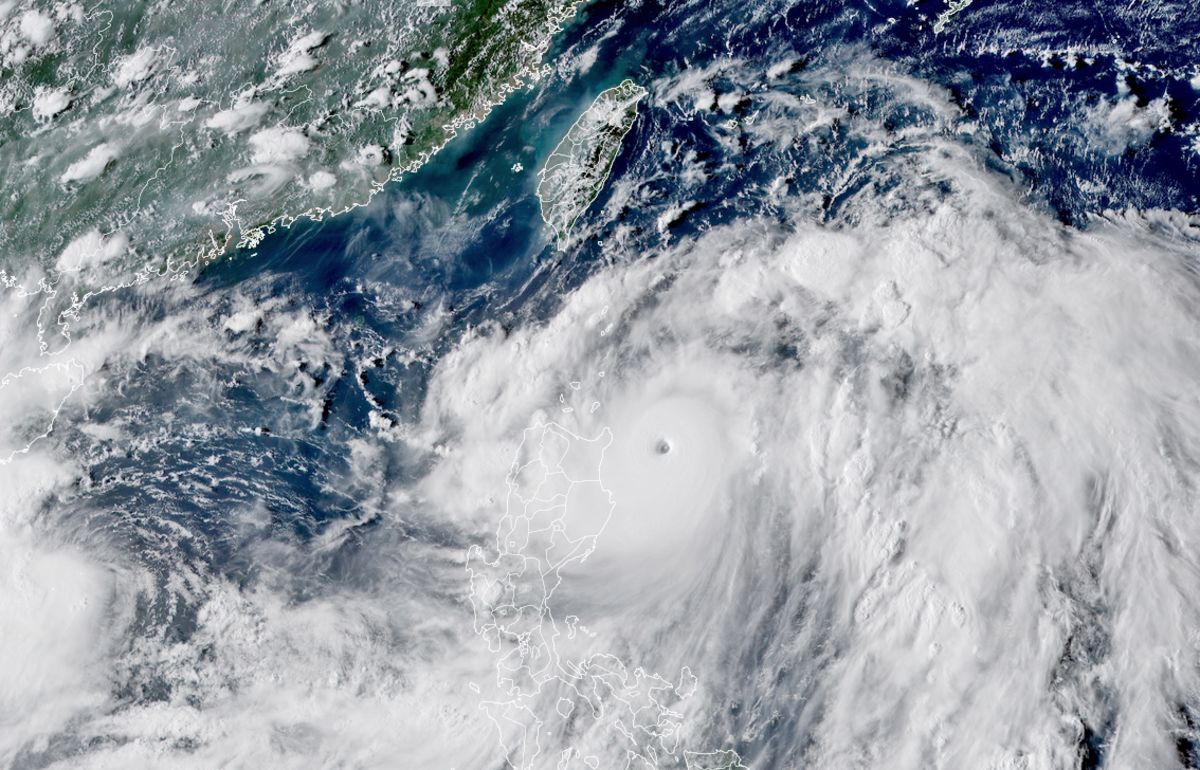
The government is assessing steps to expand the crop insurance scheme as the agricultural sector faces increasingly significant risks from natural disasters and extreme weather. A comprehensive study is needed before the scheme can be extended beyond rice crops, including to examine how premiums should be paid and losses assessed.
Policy considerations and implementation challenges
As reported by The Edge Malaysia, Deputy Minister of Agriculture and Food Security Datuk Chan Foong Hin said the government would conduct a comprehensive study before expanding the crop insurance scheme to other agricultural sectors affected by natural disasters and extreme weather.
He said several constraints require careful consideration, including how insurance premiums would be paid and how losses would be assessed. Rice farmers and other farmers would typically be expected to pay the insurance premiums, but when the programme was introduced, the government also covered them.
Chan said that if the scheme is to be expanded to other agricultural sectors, several important factors must be considered, including extreme weather events and the estimated losses that could be covered. He was responding to a supplementary question from Syed Saddiq Syed Abdul Rahman, who asked whether the government planned to extend the scheme to vegetable and fruit farmers as well as rice farmers, during question time in the Dewan Rakyat on Monday.
Current scheme record and focus on climate adaptation
The Rice Crop Takaful Scheme, introduced in 2024, has paid RM24.6 million in compensation to 10,726 rice farmers nationwide. The scheme provides coverage of up to RM3,000 per hectare for losses caused by natural disasters.
Chan said the ministry, through Mardi, was also stepping up research-based climate change adaptation programmes and encouraging the use of appropriate agricultural technologies. These include drought-resistant rice varieties such as MR297, MR380, MR381 and MR382, as well as the CL44 chilli variety, which is suitable for cultivation in lowland areas at temperatures of up to 35°C.
He said fertigation technology, rain shelters and smart irrigation systems using sensors and the Internet of Things also help optimise water use and minimise the risk of losses. These efforts show that the ministry's approach focuses not only on financial protection but also on adapting farming practices to reduce the impact of changing weather on food production.
In our earlier coverage of MARC Ratings' warning about the need for Malaysia to strengthen its fiscal buffers , we highlighted that global shocks, including climate shocks, must now be factored in as recurring risks in government planning. The article also discussed how limited fiscal space, persistently high financing costs and rising spending commitments call for measures such as broadening the tax base and improving subsidies to ensure the country has sufficient resources when a crisis hits.
Source - https://tradersunion.com