Significant climate change-related economic losses are expected in Africa in the long-term, with poverty likely to deepen in the coming decades.
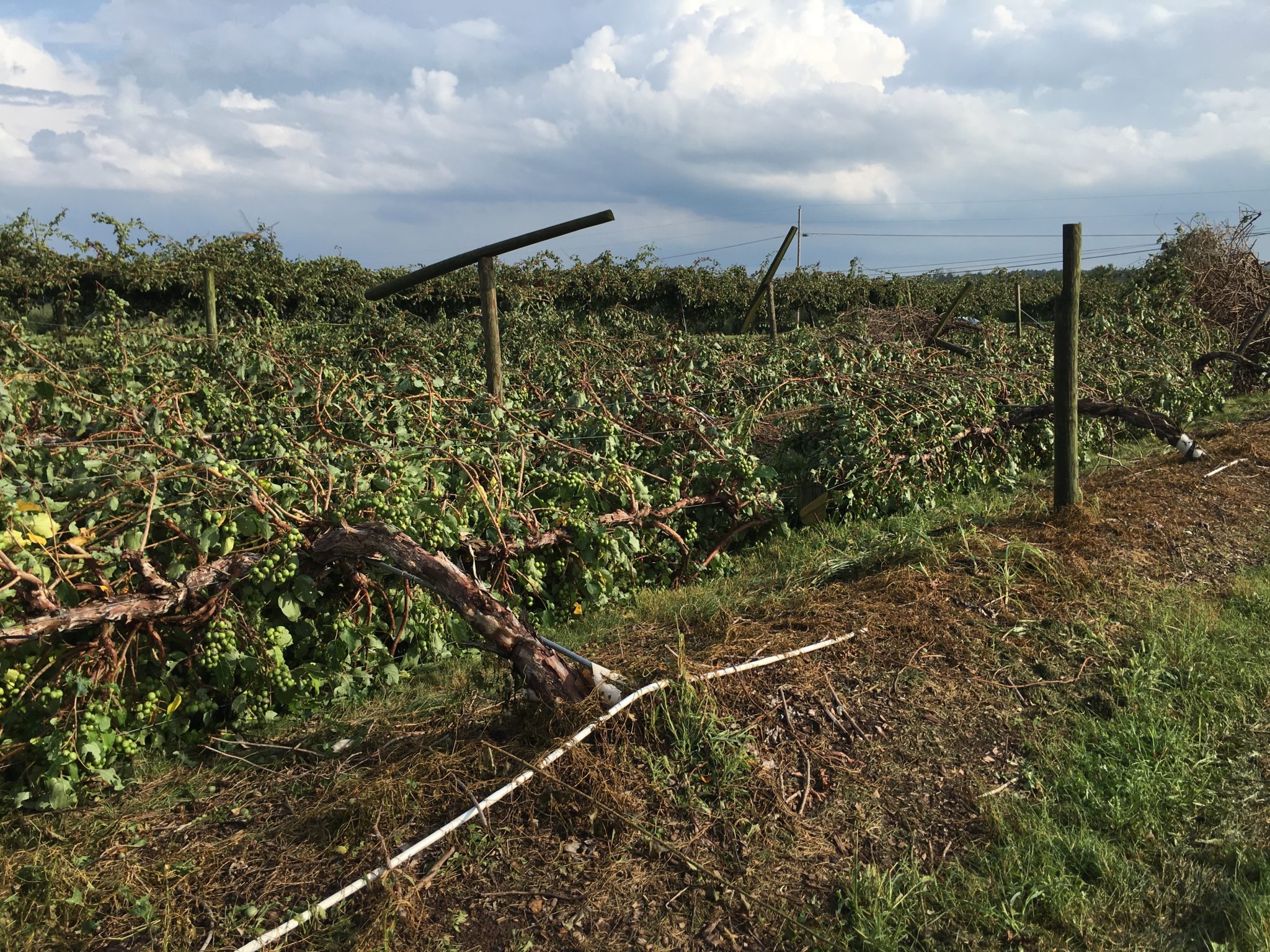
Extreme weather conditions are expected to have severe repercussions on the economy, agricultural productivity, water resources, and energy security across the developing world, a new study has found.
Published Tuesday by the Center for Global Development (CGD), the report looks at the socioeconomic impact of rising temperatures and rapidly shifting weather patterns and extreme events in the Global South and particularly in Africa in the coming decades. According to the analysis, even small temperature increases – much lower than 2C – could have significant repercussions on socioeconomic indicators in the developing world.
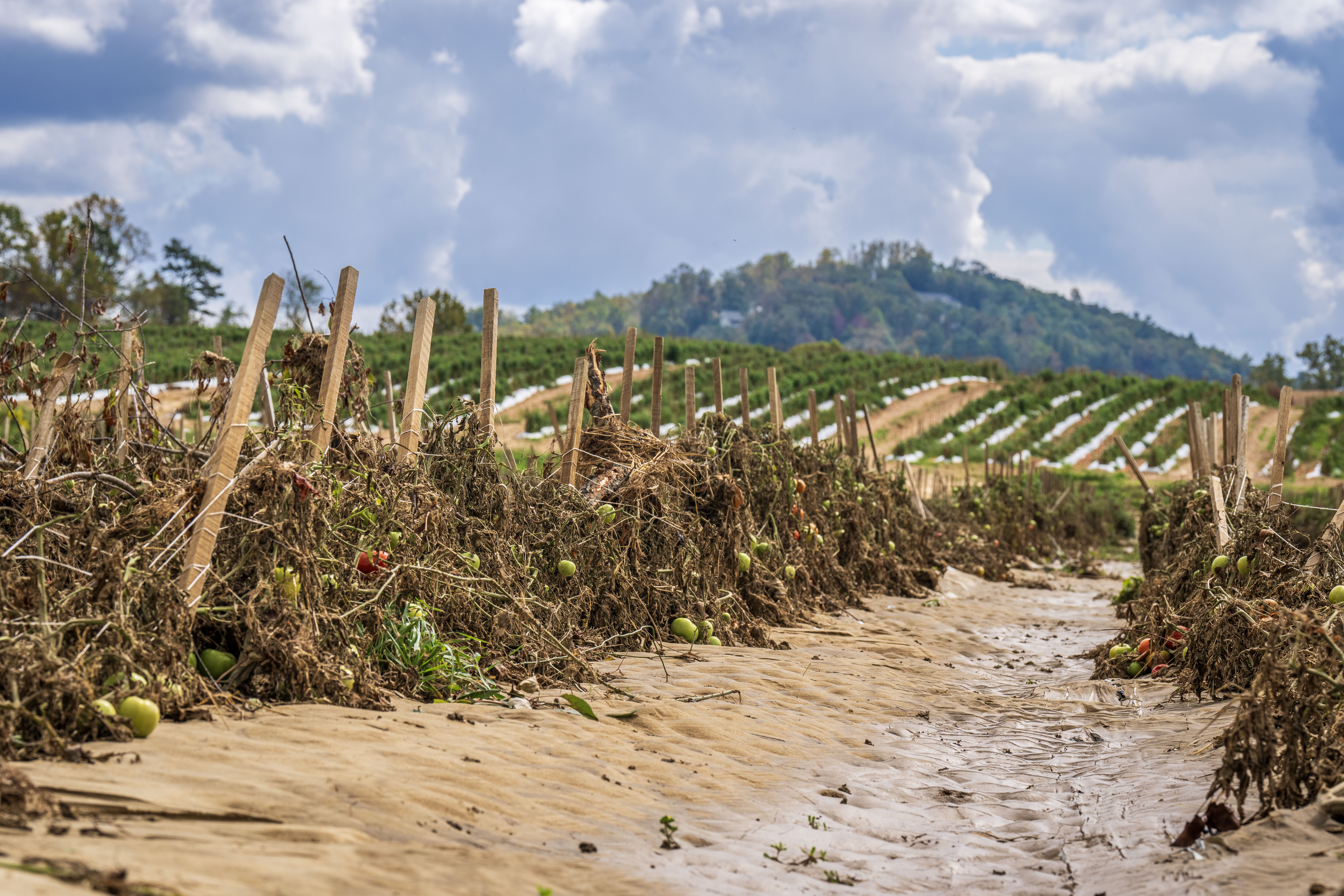
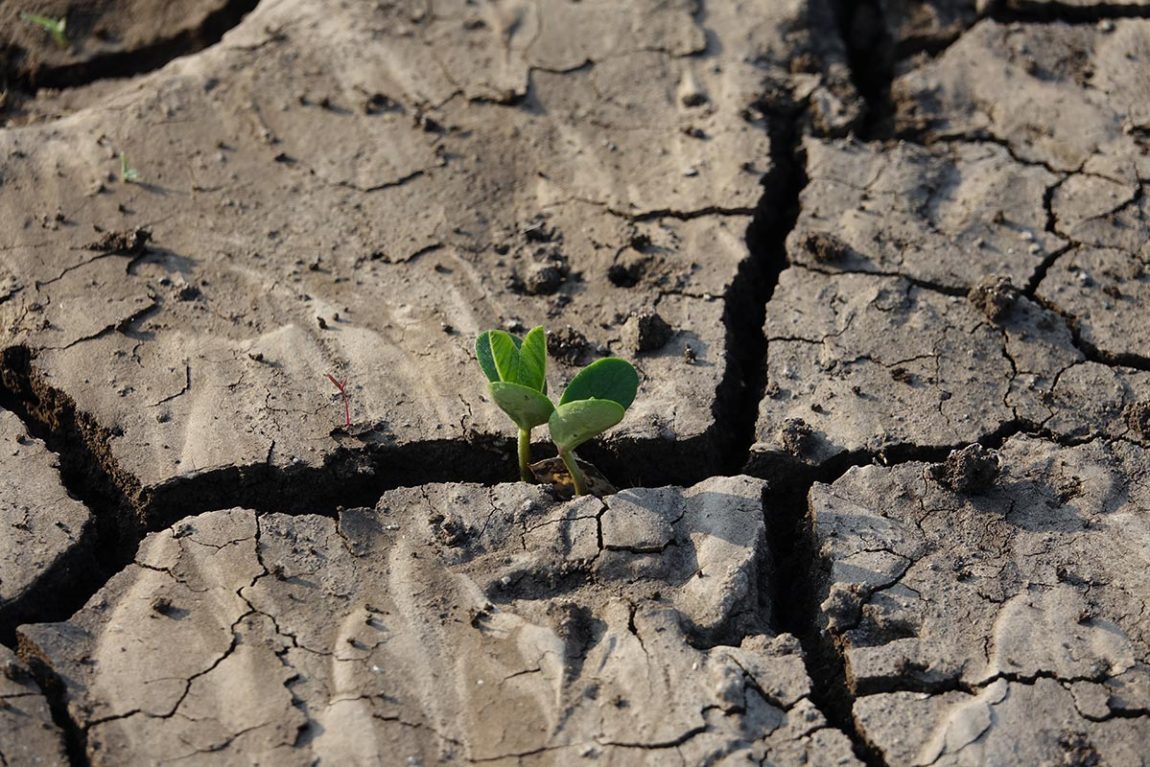
In Africa, more than 200 million people could face extreme hunger and undernourishment in the long run as extreme weather events impact crop yields and farmland value. Indeed, agricultural production in Africa could experience losses of up to 2.9% by 2030 and 18% by mid-century, the study suggested, while the value of farmland to drop anywhere between 36% and 61%. While estimates are not conclusive for other developing regions, researchers say rain-fed crops will suffer the most.

Besides food security, climate change is also expected to deepen poverty in the world’s poorest regions. In Africa, the average per capita gross domestic product (GDP) is projected to drop by 7.1% in the long term, while country-level losses are much higher, estimated between 11.2% and 26.6% of GDP. Across the continent, poverty is expected to affect households that work in the agricultural sector the most, with revenue from crops likely to drop by 30% and poverty expected to rise anywhere between 20% and 30% when compared to a no-climate-change scenario.
As altered rainfall patterns impact the quality and spatial distribution of global water resources, regions vulnerable to droughts and flooding are also expected to see increased displacement rates and water shortages. In Africa alone, these changes are likely going to push more than 50 million people into water distress.
“If the menace of climate change is not addressed, the socioeconomic problems of developing countries, particularly in Africa, will deepen and erode the gains made in development in the last decades,” wrote Philip Kofi Adom, the study’s author.
The analysis follows months of record-breaking temperatures worldwide, with 2023 dubbed the hottest year in history and characterised by unprecedented extreme weather events that have brought about loss and devastation around the world.
Developing countries, historically the ones most affected by these events despite being those contributing the least to the issue, have long fought to hold industrial nations accountable. At last year’s UN COP28 climate summit in Dubai, delegates from nearly 200 countries approved a framework for the Loss and Damage Fund instituted at COP27 to help developing countries deal with the harm stoked by global warming. The framework, brought forward last month by the 24-member Transitional Committee (TC), a board tasked with the operationalisation of the fund, contains recommendations on how the fund would operate, including who would get the money, and who would pay.
The final text invites “financial contributions with developed country parties continuing to take this lead to provide financial resources for commencing the operationalisation of the Fund.” It also assures the World Bank as the fund’s host on a four-year interim basis – despite the US pushing to make this permanent. Developing nations initially expressed opposition to the idea of the Bank hosting the Fund due to their lack of confidence in the institution’s significant shift towards promoting climate action.
Pledges for the fund exceeded US$700 million, including $300-400 million from the European Union (EU) collectively, $100 from the United Arab Emirates (UAE), $50 million from the UK, $17.5 million from the US, and $10 million from Japan.
Nevertheless, critics pointed out that contributions to the Fund represent less than 0.2% of the economic and non-economic losses developing countries face every year from global warming, adding pressure to developed nations to enhance their contributions and provide additional pledges in line with their historical responsibility for loss and damage.
Source - https://earth.org