Morocco - 6,000 tonnes of avocados lost due to the storm

31.10.2023 649 views

The dust is settling and the picture is becoming clear for the Moroccan avocado industry, after storm Bernard raised concerns last week. Abdelmoumen El Achkar, avocado producer and CEO of ECOMAC said, "It was more fear than harm. We did take some damage, but not to the point of derailing the campaign."

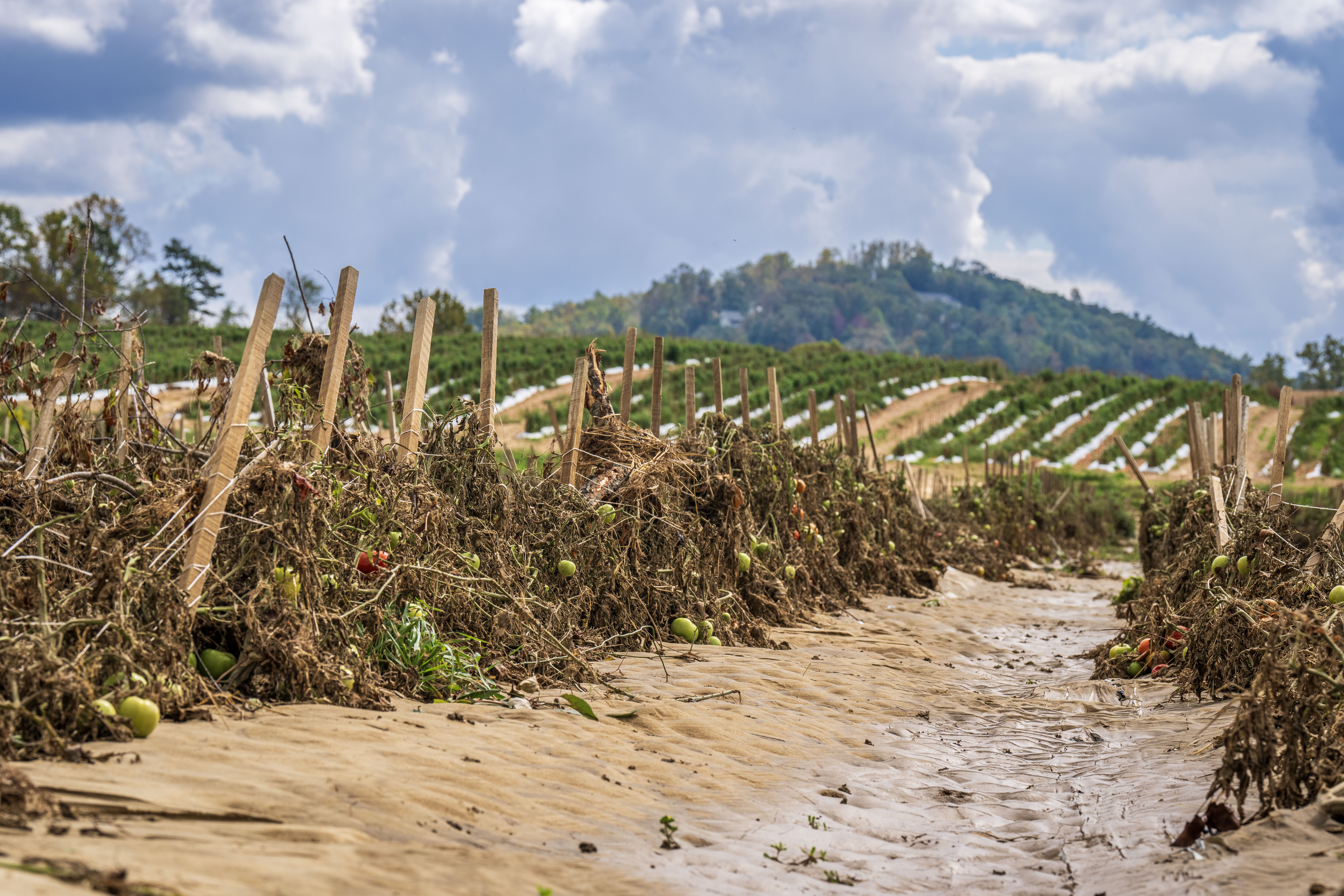
The grower adds, "Damage to fruit averages 10%, or 6,000 tonnes nationwide. Fallen fruits are mainly large-sized Hass avocados. These fruits are no longer exportable, but some are still of good quality and could find their way to the local market. We have also seen some losses in trees, either broken in whole or in part, or even uprooted by the storm. The impact on costs and volumes remains limited, as these are mainly young trees."

It is worth recalling that the storm reached its most violent intensity in the Larache region, the stronghold of avocado production in Morocco, where winds reached a speed of 106km per hour.

Elachkar is reassuring: "Despite the losses, our forecast for the season remains very optimistic. Taking these losses into account, we are still on track to reach historic export levels, thanks to the major leap forward made in production this season. Demand remains strong, too, and the storm has not shaken the market. We are in contact with our customers and have assured them of the delivery of their orders without any cancellations."

Will the loss of volume push up prices? El Achkar replies, "there's plenty of supply on the market at the moment, with shipments from Colombia and Mexico. The market is saturated with sizes from 22 to 28, and prices are even starting to decrease. Prices for sizes from 12 to 20, which are Moroccan growers' strong asset, remain very good despite the storm, and may increase when demand picks up. On the local Moroccan market, too, prices remain stable."

Source - https://www.freshplaza.com

02.09.2026

Philippines - Bayambang declares state of calamity over P31-M agricultural losses

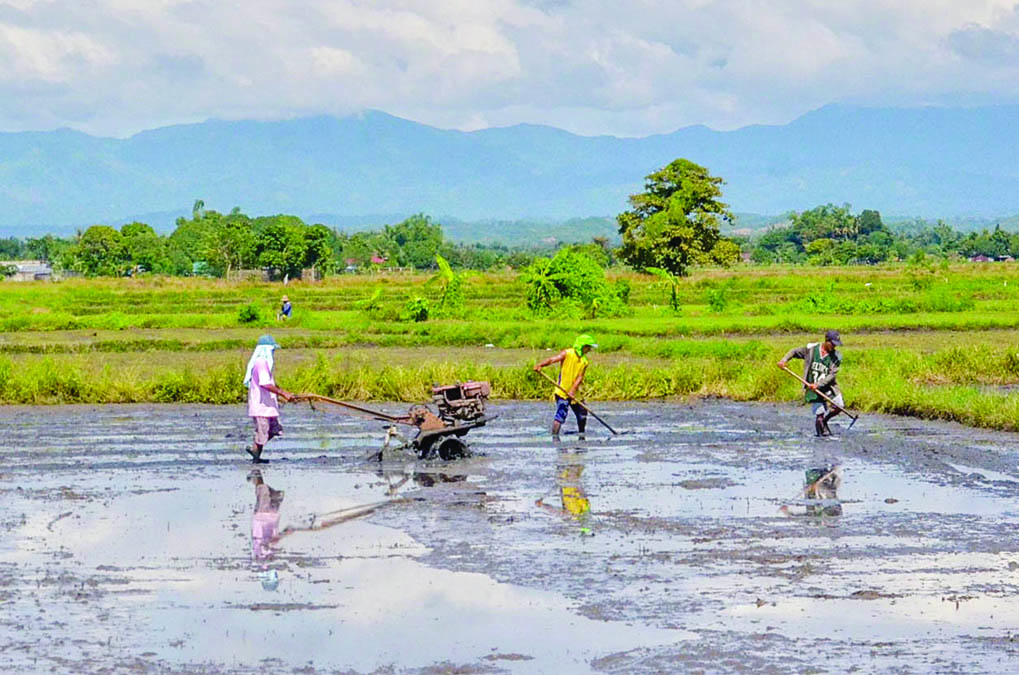
The municipal council of Bayambang has placed the town under a state of calamity after Tropical Storms “Luis” and “Maymay” and the enhanced southwest monsoon, or habagat, caused more than P31 million in agricultural losses.

02.09.2026

USA - Lynndyl farmers assess crop losses after 100 mph winds and hail

Farmers in and around Lynndyl are beginning to assess severe losses after a powerful weekend storm ripped through fields with destructive winds and hail just as some crops were nearing harvest.

02.09.2026

USA - New Insurance for Breeding Heifers

New LRP Coverage Aims to Reduce the Risk of Retaining Heifers for Breeding.

02.09.2026

Corn's $6 Surprise Could Change the Profit Math for U.S. Farmers

Corn may already be worth more than the board suggests as farm payments and incentives add about 52¢ per bushel to producer revenue.

02.09.2026

Philippines - Iloilo turns over P10M for farm, fishery insurance

The Iloilo provincial government has turned over P10 million to the state-owned Philippine Crop Insurance Corp. (PCIC) to expand insurance protection for farmers and fisherfolk vulnerable to losses from El Niño, La Niña, typhoons, pest infestations and other calamities.

02.09.2026

India - AP sees 1,263% rise in non-loanee crop insurance

The State witnessed a remarkable 1,263% jump in non-loanee farmer registrations, with their participation rising from 2 lakh in the previous Kharif season to 25.26 lakh farmers this year.

01.09.2026

South Africa - Grain SA calls for affordable crop insurance as dry weather threatens Swartland wheat

Severe rainfall shortages threatening the Swartland wheat crop have highlighted the need for government support to make crop insurance affordable for dryland producers.

01.09.2026

USA - Florida farms face nation’s highest disaster loss rate

Natural disasters destroy billions of dollars in U.S. agricultural production each year. From drought and wildfires in the West to hail in the Midwest and hurricanes in the Southeast, farms lose an average of $5.1 billion in crops and livestock annually, according to the Federal Emergency Management Agency.