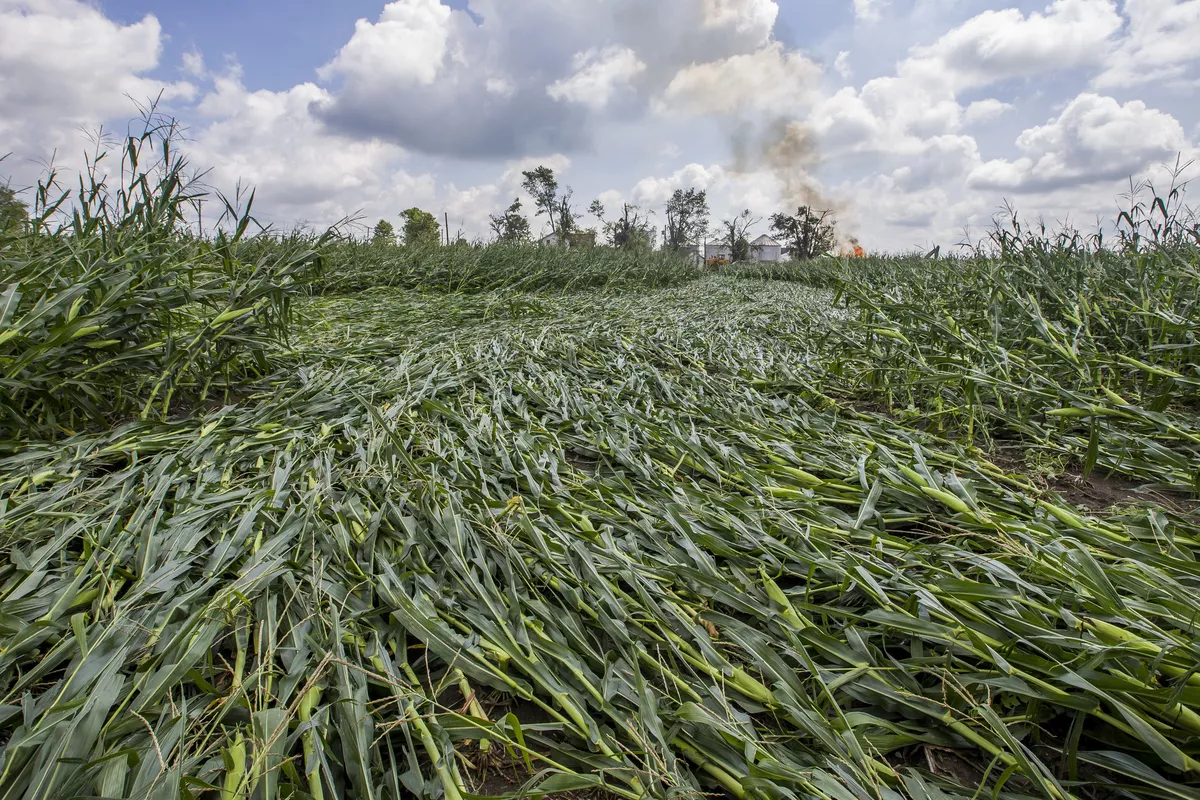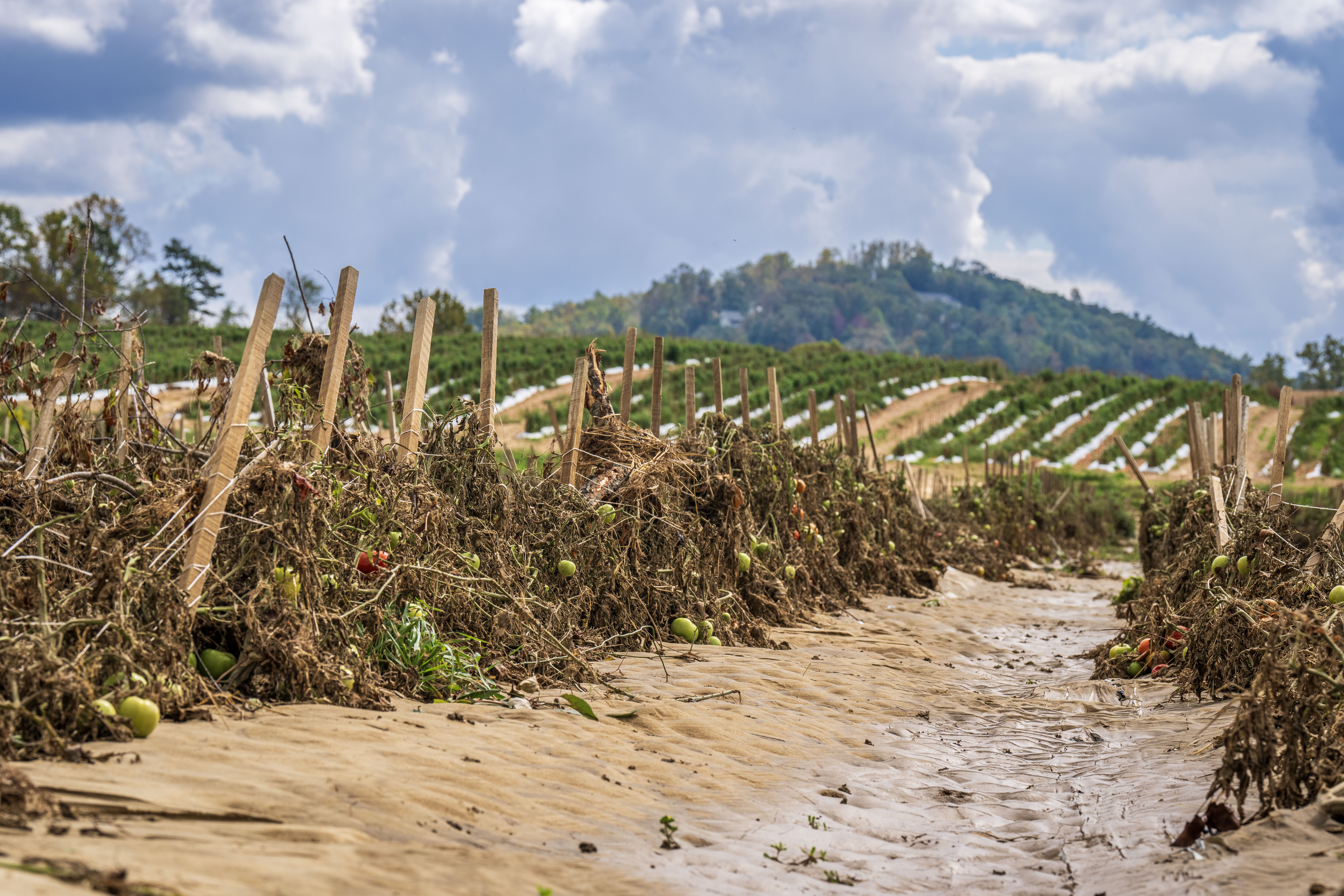
Observers agree that climate change has become the biggest challenge facing Moroccan agriculture, an assertion confirmed by professionals who are already suffering from climatic disruptions on the ground. Constant drought, acute water stress, and extreme temperatures have become a given in many parts of the country, especially in the Souss Massa region, where temperatures hit an all-time high of 50.4 degrees last August, scorching entire fields and delaying the launch of the Moroccan campaign.
As a result of increasingly adverse weather conditions, voices are raised, calling for a rethink of the greenhouse production model and for moving on to the next stage of greenhouse modernization. This thorny issue has long been discussed and postponed. According to several growers who spoke to FreshPlaza, the Moroccan model cannot support such investment while remaining profitable, as is the case in the economically fragile tomato sector. What if growers have no choice? Samir Belhouari, managing director of Moroccan equipment supplier Horti Sud, addresses the question.
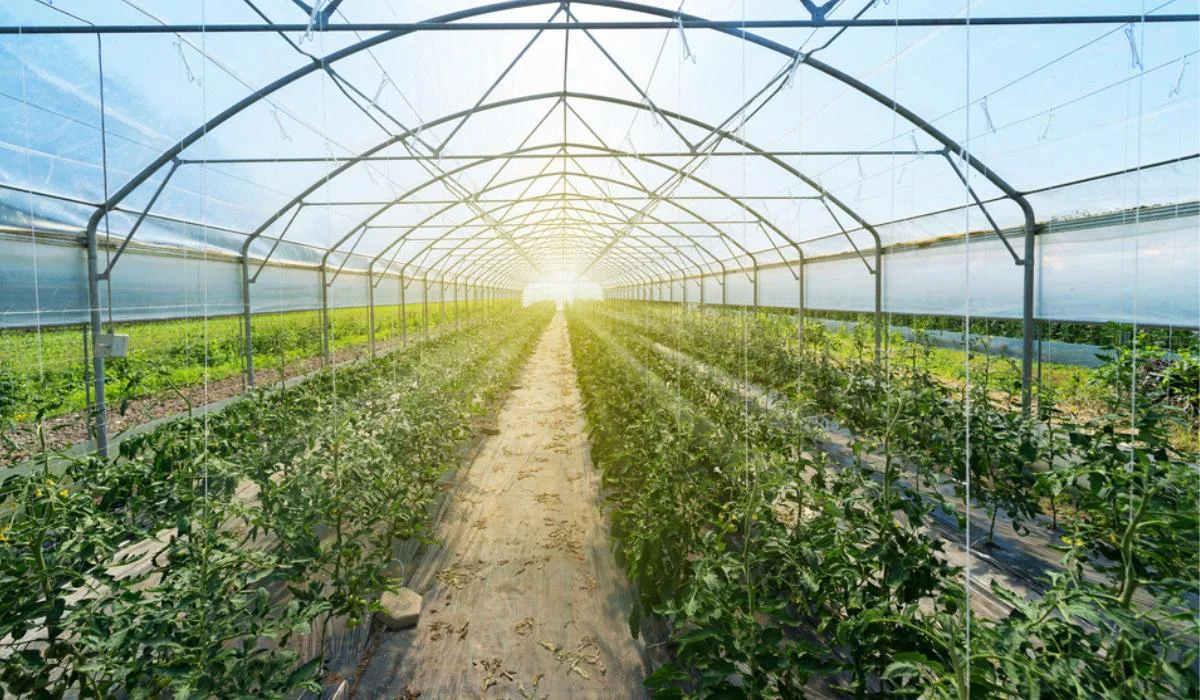
Belhouari says, "The most widely used greenhouses in Morocco, and in particular in the Souss Massa region, are Almeria-type Canarian greenhouses, with or without gutters for rainwater harvesting. However, Canarian shelters cannot adapt to the current climate changes and have reached the limits of their modernization. The new climatic realities and the tendency of major national growers to produce 12 months a year require the migration to the next greenhouses model, better suited to harsh weather and to both winter and summer production."
Belhouari continues, "There are indeed economic constraints weighing on the issue, as the current production model does not allow new investments to be made profitably, but growers who have neglected this investment have seen their plantations scorched by the heat." At the peak of the heat wave in Souss Massa, temperatures in greenhouses reached up to 70 °C during the day and over 45 °C at night for 3 days, scorching entire areas of tomatoes and early vegetables.
Somewhere after Canarian shelters and before high-tech greenhouses that the business model can't support, Horti Sud offers an in-between model. Belhouari explains, "We offer upgrades such as screens with shade netting and fog systems. The nets are stretched over the greenhouses and limit the effect of solar radiation, which reduces the temperature inside the greenhouses but has an effect on yield by absorbing the light waves needed for photosynthesis. The fog or nebulization system sprays water inside greenhouses, evaporating to lower the temperature. The water is filtered, pressurized to 5 bar, and channeled to nozzles installed above the crops. The system consumes energy mainly for the overpressure of the water, and as the system is used for a maximum of one month a year, the cost is negligible, if compared with the cost of irrigation which is practiced throughout the crop."
These solutions proved sufficient to counter the effects of the heatwave, concludes Belhouari, "Growers who had deployed mid-tech solutions were able to save their plantations. The major constraint remains the availability of the water stock needed for nebulization."
Source - https://www.freshplaza.com