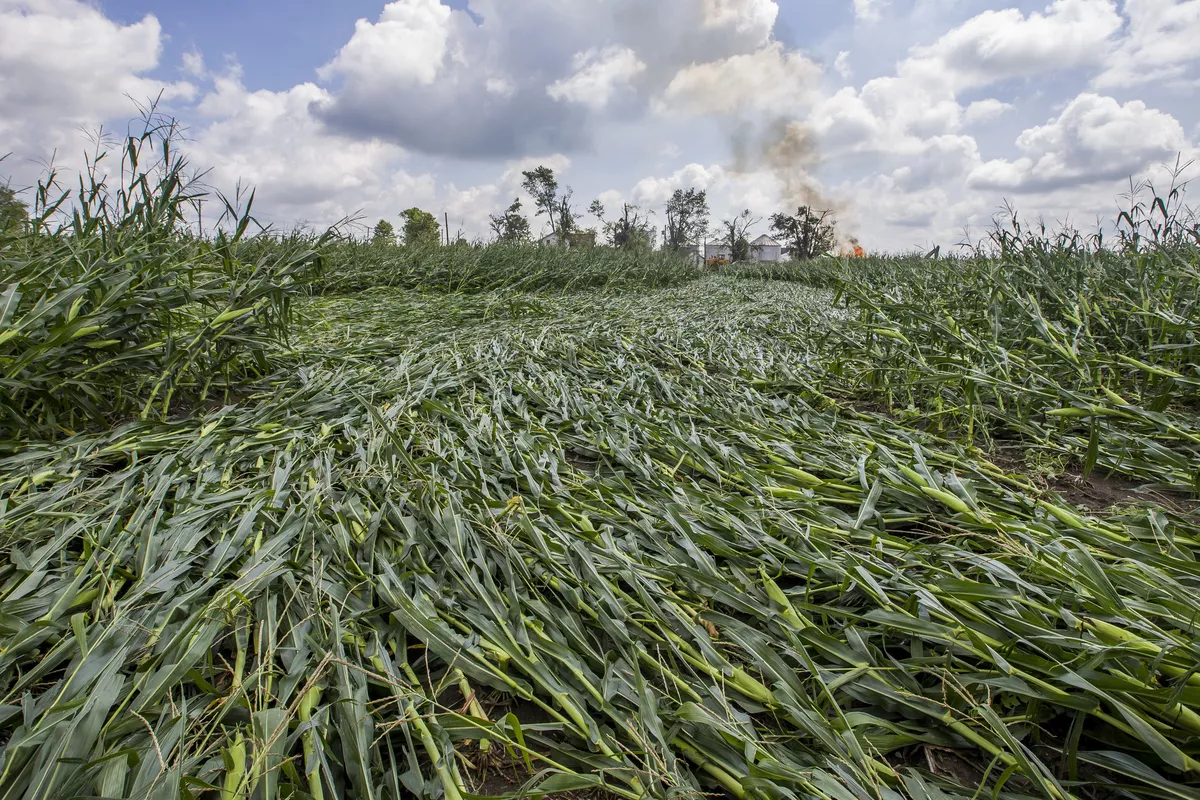
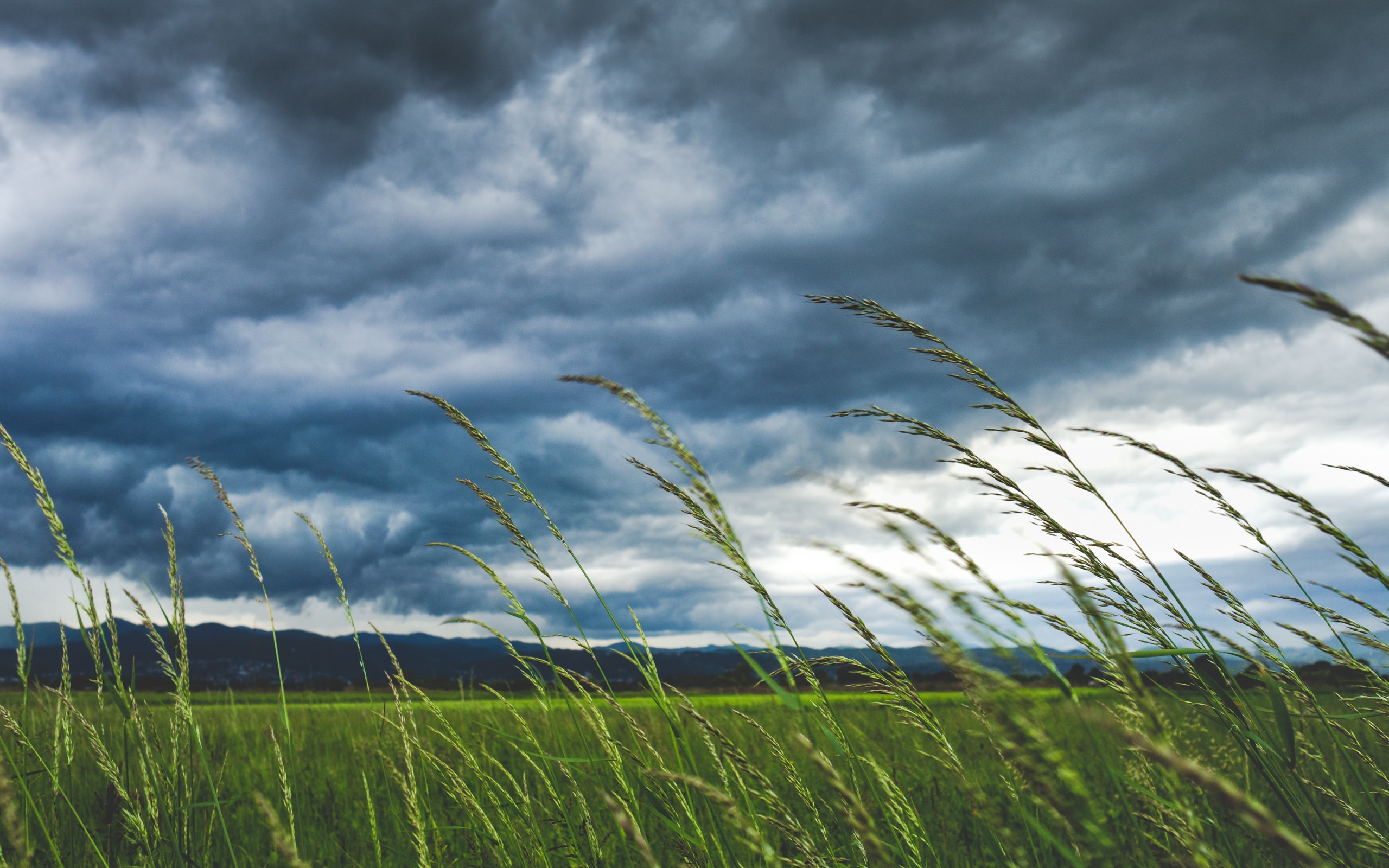
On his land in a mountainous area in the region of Chefchaouen, in northern Morocco, Khaled Kouskou, a business consultant turned farmer, complains that his efforts to cultivate 10 hectares owned by his family are being thwarted by poor rains.
Pointing to his olive trees, he says: “The harvest has been very poor, and the fruit very dry. Usually, you get 22-24 litres of oil from 100 kilogrammes of olives but, this year, I got half the quantity. My wheat, barley and corn yields were less than 60 per cent of what they should have been.”
Morocco has suffered five consecutive years of drought and officials and analysts say climate change is one of the biggest threats facing the kingdom. In the past, occasional droughts were followed by years of plentiful rains. Now, however, the country is widely considered to have entered an era of water scarcity and needs to adapt to mitigate the impact on its economy and population.
“What we are experiencing, and will experience in coming years, is what we call an amplification of extreme events,” says Abdelghani Chehbouni, head of the International Water Research Institute at the Mohammed VI Polytechnic University. “It means when there is drought, it will be pronounced and it will last several years. And when there is flood, it will be devastating.”
Agriculture, on average, contributes only 12 per cent of Morocco’s gross domestic product. But the sector has a disproportionately large impact on employment and annual economic performance, which fluctuates according to the rains. The reason, officials say, is that 39 per cent of the labour force works in agriculture. Poor rains mean reduced incomes and purchasing power for most rural inhabitants and the negative effects ripple through the economy: they can be felt in sectors such as transport and construction.
Morocco’s GDP growth in 2022 was a meagre 1.1 per cent as the country suffered its worst drought in 40 years, while Russia’s invasion of Ukraine sent the prices of commodities soaring. In 2023, which had better rains, the IMF expected the growth rate to be 2.9 per cent. However, that estimate was made before September’s earthquake, which killed about 3,000 people in the High Atlas region.
Nizar Baraka, minister for public works and water, says that “historically, Morocco has never known five consecutive years of drought” and the impact on water levels in dams has been “very negative”, with reservoirs only 26 per cent full.
“We used to have an annual average water inflow of 22bn cubic metres,” he notes. “This fell to 18 bcm, and now it has dropped further to 14 bcm. There are also losses from evaporation which have increased with rising temperatures.”
The government, he says, has an ambitious programme to tackle threats to water supply that includes building 18 new dams by 2030 to increase storage capacity by almost a third. Other measures include recycling wastewater and building more desalination plants to provide a billion cubic metres of water per year for cities, by 2028. “All this will reduce pressure on dams and on underground water,” says Baraka.
The government also wants to expand areas under drip irrigation, which saves water. Another project near completion is a channel connecting the Sebou and Bouregreg rivers to ensure additional fresh water supplies for 12mn people in the Rabat and Casablanca regions.
But rain-fed agriculture still represents 80 per cent of Morocco’s cultivated area and employs most of the agricultural workforce, according to a recent World Bank report.
In addition, most of the country’s crucial cereal crops — such as wheat and barley — are grown using rainwater. The report adds that 79 per cent of the poor live in rural areas and rely on agriculture for food and income, making them more vulnerable to climate change. It warns that drought could speed up migration from rural areas to cities.
“Climate-induced changes (water availability and crop yield) on rain-fed agriculture could result in outmigration to urban areas of up to 1.9mn Moroccans (about 5.4 per cent of the total population) by 2050,” the World Bank estimates.
Moufadal Awkal, a smallholder and neighbour of Kouskou, says his family is barely surviving after several years of poor harvests. “We now live off what we can borrow from others,” explains the father of four. “Sometimes, I do jobs on neighbours’ farms or I work in construction.”
Some have already abandoned agriculture. Kouskou says: “My neighbours could no longer make a living from their land because of drought, so they stopped being farmers. People now go to cities and find day-to-day work in something like construction.”
For Chehbouni, the water expert, there is “no silver bullet” to tackle the impact of drought and climate change. His institute has been working on a range of solutions — from improving the accuracy of climate models, to cutting waste and leakage from water delivery systems, and developing more resilient seed varieties.
“We are working on wheat and barley seeds,” he says. “Our target is to make them more resistant to water shortages and high temperatures and to require up to 40 per cent less water.”
Source - https://www.ft.com