Morocco - Tomato yields decrease as the weather gets colder

28.11.2023 670 views

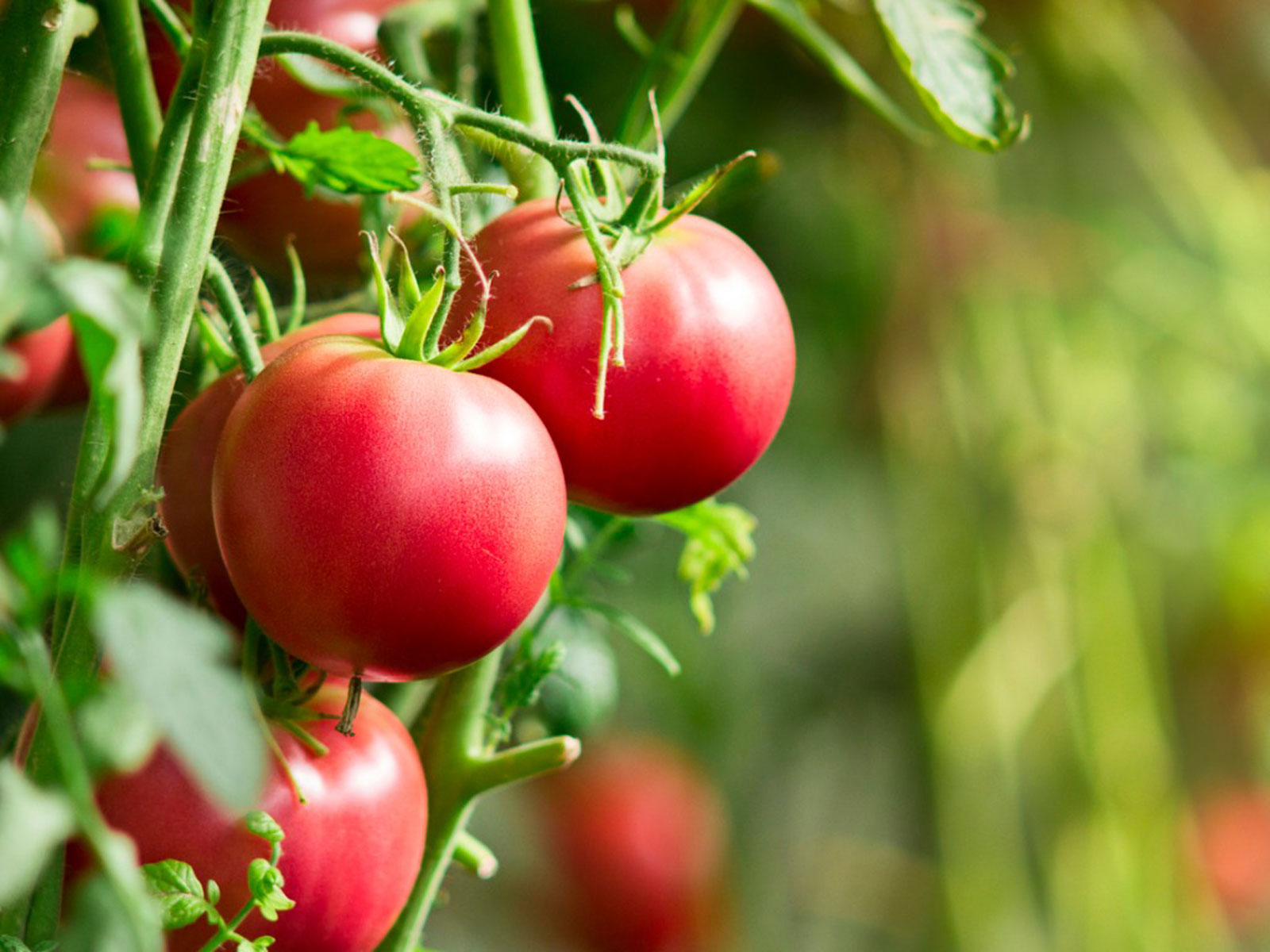
Tomato yields have been decreasing in Morocco in recent days as the weather has cooled in the Souss Massa region, according to Mustapha Aouragh, a local tomato grower.

Aouragh said, "Last week marked the end of a long summer, but temperatures are a bit too low at the moment. The day starts with a temperature of 10 degrees in the Agadir region. Tomato yields have consequently dropped to 500 kg per hectare per day on average, with a harvest every two days, compared with 1000-1200 kg two weeks ago."

In addition to temperature, losses due to ToBRFV remain the major unpredictable factor affecting volumes. According to Aouragh, "Pull-outs of contaminated plants remain the only solution, and the lost volumes vary from week to week and from grower to grower. It's difficult to come up with an average for the whole region for the season that's just begun, but we've recorded fewer losses due to the drop in temperature and also due to the improvement in growers' experience in preventing contamination."

The drop in yields comes in a context of strong demand that is showing no signs of slowing down, adds Aouragh: "There is a clear increase in demand from buyers in the Netherlands, which is not easy to satisfy in full, given that exporters are bound to honor their contracts with, in particular, buyers from France and the UK, who buy more under contract."

The drop in yield comes as prices had begun to stabilize in the local market, concludes Aouragh, "prices have dropped to 5-6 MAD per kilo in the local market this week, but it looks like the cold weather will curb this trend. In any case, the tomato industry became so complicated and unpredictable that I switched this season to bell peppers, which are less exposed to ToBRFV and soft fruits."

Source - https://www.freshplaza.com

02.09.2026

Philippines - Bayambang declares state of calamity over P31-M agricultural losses

The municipal council of Bayambang has placed the town under a state of calamity after Tropical Storms “Luis” and “Maymay” and the enhanced southwest monsoon, or habagat, caused more than P31 million in agricultural losses.

02.09.2026

USA - Lynndyl farmers assess crop losses after 100 mph winds and hail

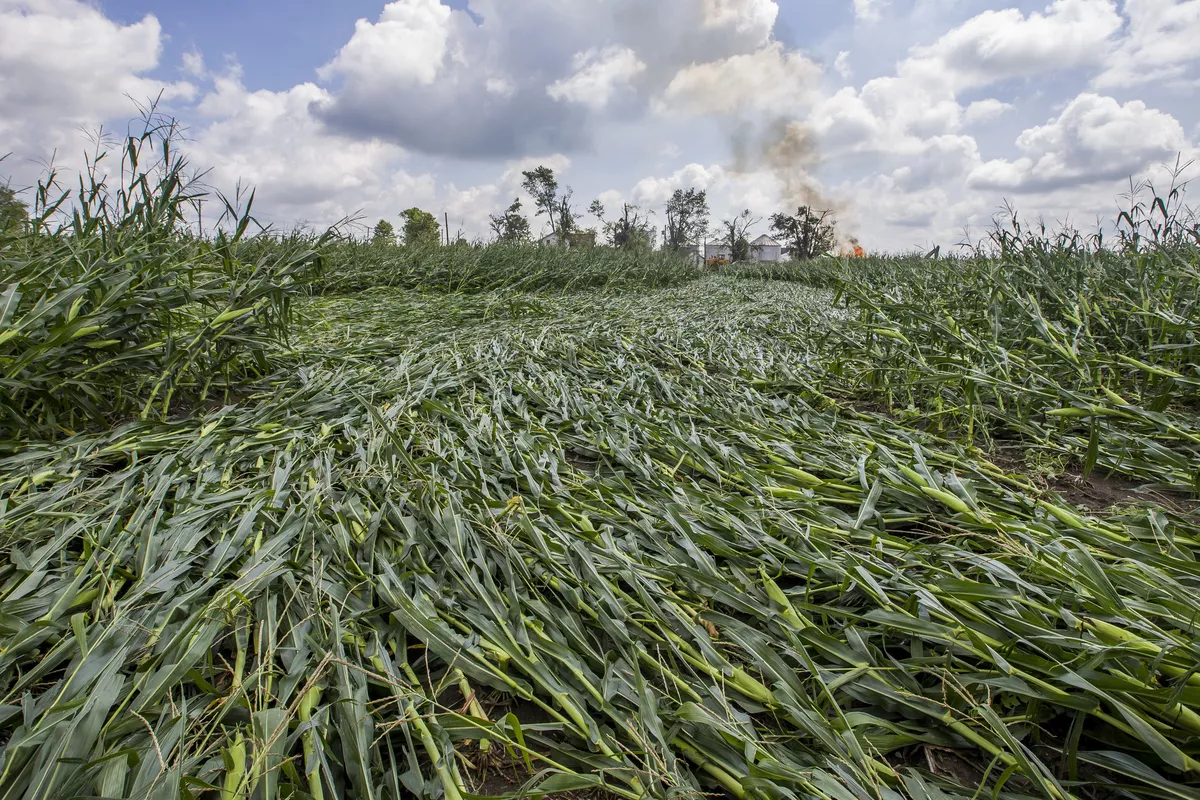
Farmers in and around Lynndyl are beginning to assess severe losses after a powerful weekend storm ripped through fields with destructive winds and hail just as some crops were nearing harvest.

02.09.2026

USA - New Insurance for Breeding Heifers

New LRP Coverage Aims to Reduce the Risk of Retaining Heifers for Breeding.

02.09.2026

Corn's $6 Surprise Could Change the Profit Math for U.S. Farmers

Corn may already be worth more than the board suggests as farm payments and incentives add about 52¢ per bushel to producer revenue.

02.09.2026

Philippines - Iloilo turns over P10M for farm, fishery insurance

The Iloilo provincial government has turned over P10 million to the state-owned Philippine Crop Insurance Corp. (PCIC) to expand insurance protection for farmers and fisherfolk vulnerable to losses from El Niño, La Niña, typhoons, pest infestations and other calamities.

02.09.2026

India - AP sees 1,263% rise in non-loanee crop insurance

The State witnessed a remarkable 1,263% jump in non-loanee farmer registrations, with their participation rising from 2 lakh in the previous Kharif season to 25.26 lakh farmers this year.

01.09.2026

South Africa - Grain SA calls for affordable crop insurance as dry weather threatens Swartland wheat

Severe rainfall shortages threatening the Swartland wheat crop have highlighted the need for government support to make crop insurance affordable for dryland producers.

01.09.2026

USA - Florida farms face nation’s highest disaster loss rate

Natural disasters destroy billions of dollars in U.S. agricultural production each year. From drought and wildfires in the West to hail in the Midwest and hurricanes in the Southeast, farms lose an average of $5.1 billion in crops and livestock annually, according to the Federal Emergency Management Agency.