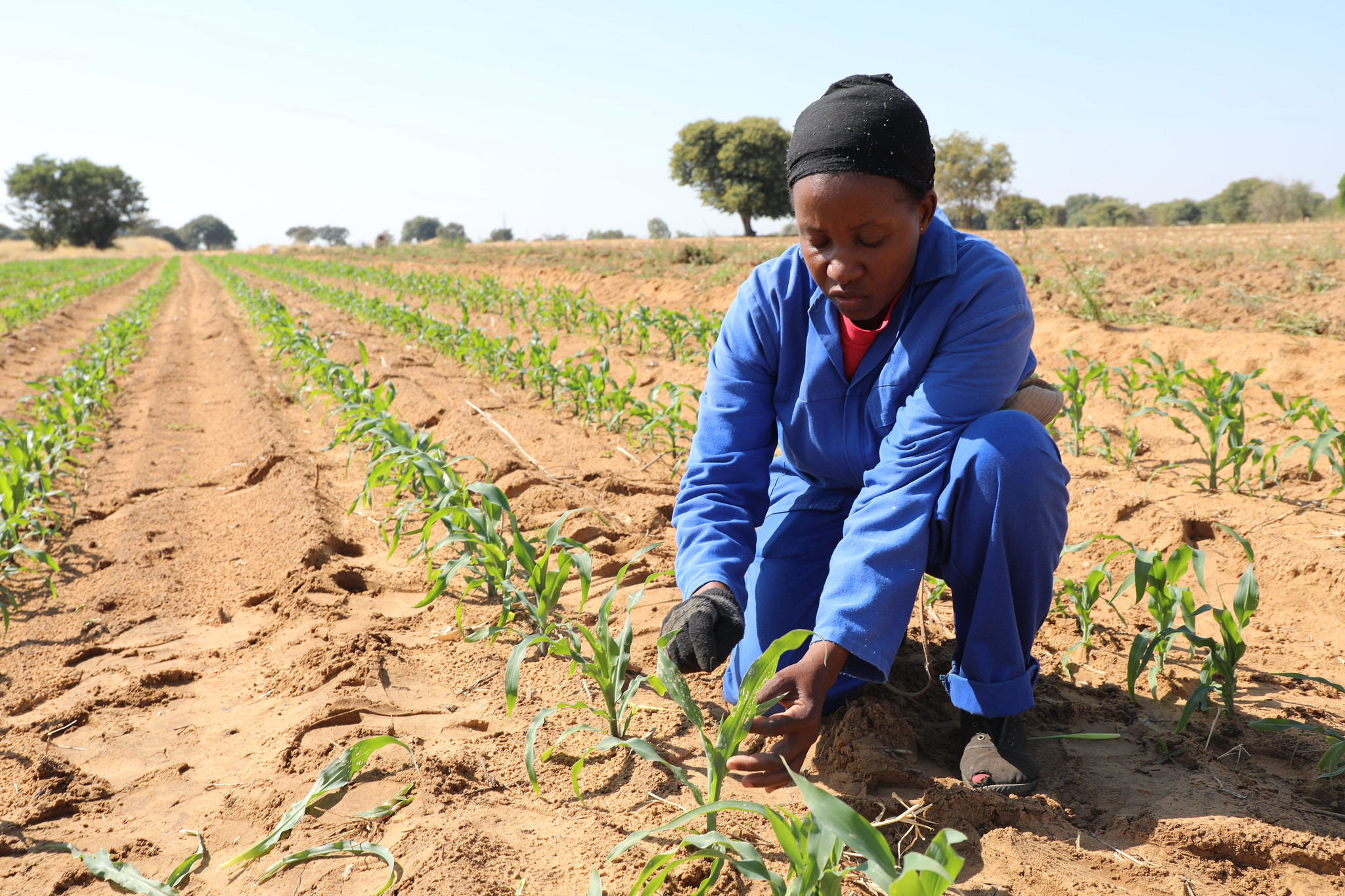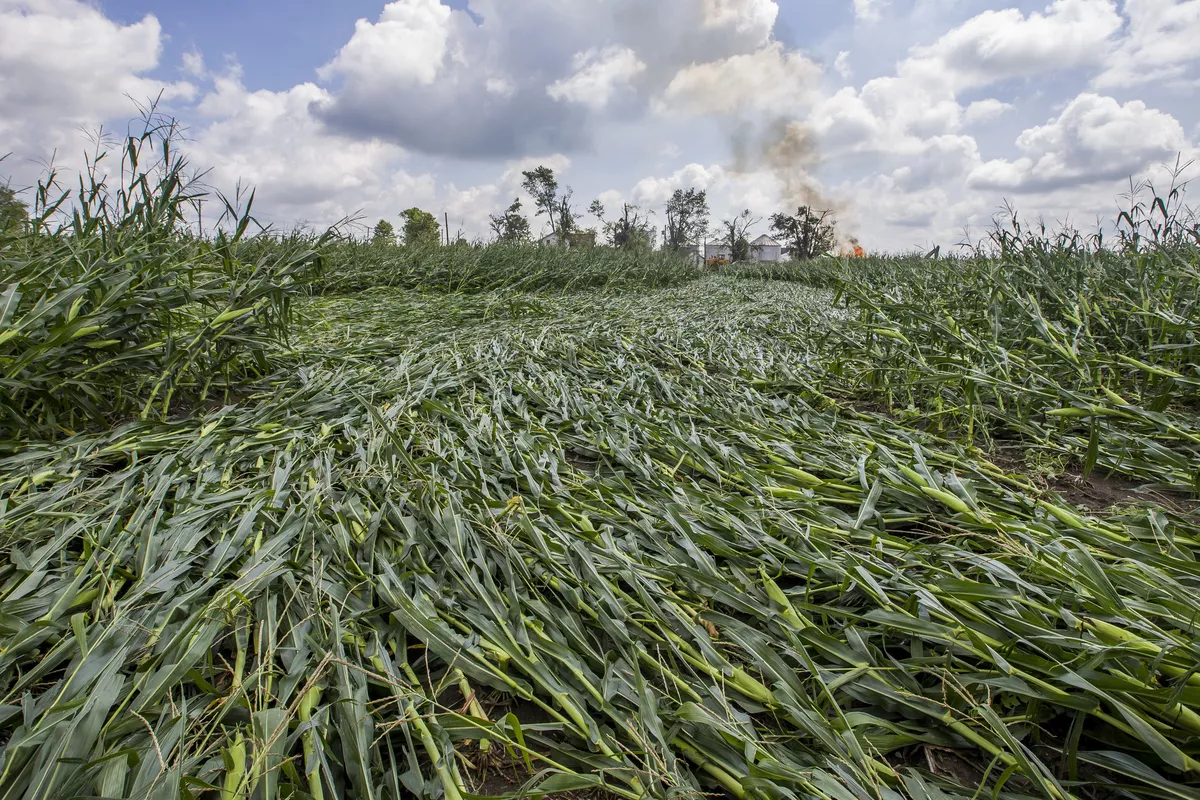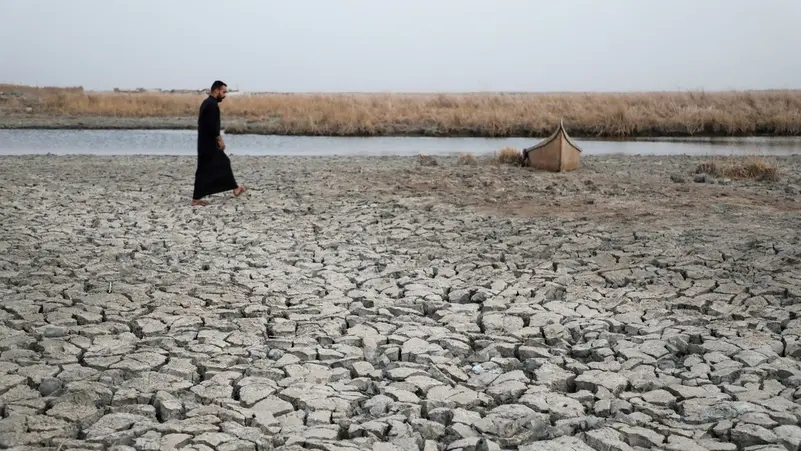
The state of food security in Namibia has significantly deteriorated as a result of a highly unfavourable agricultural production during the 2022/2023 cropping season.
It is further projected the recent harvest will be exhausted between August and December 2023, leaving many households in a precarious position.
Agriculture ministry executive director Ndiyakupi Nghituwamata shared this information in the recent publication, titled ‘Crop Prospects, Food Security and Drought Situation Report - July 2023’.
“It has been observed that the majority of crop farmers have experienced crop failure, which has consequently severely impeded their ability to replenish their food reserves. A considerable number of households in the key communal crop producing regions have reported a depletion of their harvest from the previous season, and they are now relying mainly on the market and drought relief food in some regions for sustenance,” said the official.
Since the start of the 2022/2023 rainfall season, the country received below normal rainfall, with a considerable delay on the onset. Most parts of the country received productive rainfall only in January, Nghituwamata continued.
In addition to sporadic and insufficient rainfall patterns that have dominated the season, she added the country noted severe and prolonged dry spells in December, February, March and April, which led to poor agricultural production and pasture establishment.
Interrogating production statistics, the aggregate cereal analysis showed that the country recorded 153 000 metric tonnes (MT), which is 9% lower than the last season’s harvest of 168 200MT but 23% above the 10 years’ average production of 124 200 MT.
“All the crop producing regions in the communal areas have recorded a significant decline in the crop harvest, contributing only about 20% to the national cereal production. This is attributed to the poor crop growing conditions that were seen in the forms of delayed onset of the rainfall season, erratic rainfall patterns and prolonged dry spells,” stated the ED.
Furthermore, last month, the Food and Agriculture Organisation (FAO) in its crop prospects and quarterly global report on food estimated that about 390 000 people faced acute food insecurity between January and March 2023.
Exacerbating food insecurity were key factors, such as high food prices and localised adverse weather, that induced severe shortfalls in cereal production in 2022.
The FAO listed Namibia as one of the countries requiring external assistance for food.
“FAO assesses that globally, 45 countries, including 33 in Africa, nine in Asia, two in Latin America and the Caribbean, and one in Europe, are in need of external assistance for food. Although drought conditions eased in east Africa, production prospects remain unfavourable in 2023, while conflicts in several parts of the African continent are aggravating food security concerns,” reads the report.
Recommendations
Based on the findings of the country’s assessment, Nghituwamata said government, through the Office of the Prime Minister, should continue with the provision of the drought relief measures to households that are faced with food insecurity in Kunene, parts of Omusati and Erongo regions, Omaheke,
//Kharas and Hardap regions until the situation normalises.
“Government is to consider the roll-out of drought relief interventions (food assistance and the livestock support programme) across the remaining eight regions, including the entire Omusati and Erongo rregions Government, through the agriculture ministry, is to ensure sufficient and timely provision of agricultural inputs (seed and fertilisers) and services (ploughing and planting) in preparation for the 2023/2024 cropping season,” she listed.
Nghituwamata also advised regional councils with the assistance of community leaders to continue identifying the most food insecure households in their respective regions.
Donation
Agriculture minister Calle Schlettwein on Thursday received financial support from the Federal Republic of Brazil of an equivalent amount of N$2.2 million, aimed at reducing vulnerability, as well as attaining food and nutrition security.
Schlettwein said the assistance will support Namibia in achieving the Sustainable Development Goals (SDGs), particularly the goal of no poverty and zero hunger.
During his remarks, the minister shared progress in moving towards food self-sufficiency. For proteins, Schlettwein stated that Namibia is in a surplus position for beef and fish.
“We are indeed competing with our friends, the Brazilians, in the export markets. For basic staples, maize, we are moving close to full self-sufficiency, and local production currently stands at around 80% of total demand. Millet and wheat are still far below the target and needs to improve significantly,” listed the minister.
Source - https://neweralive.na