Small-scale crop farmers in the Zambezi region say the government should compensate them with the actual value of crops destroyed by wildlife.
Human-wildlife conflict within the region has been of great concern for the already poor farmers, who end up losing thousands of dollars of what they spend on production annually.
The Ministry of Environment, Forestry, and Tourism reimburses farmers whose crops are damaged by wildlife with N$1 000 per hectare.
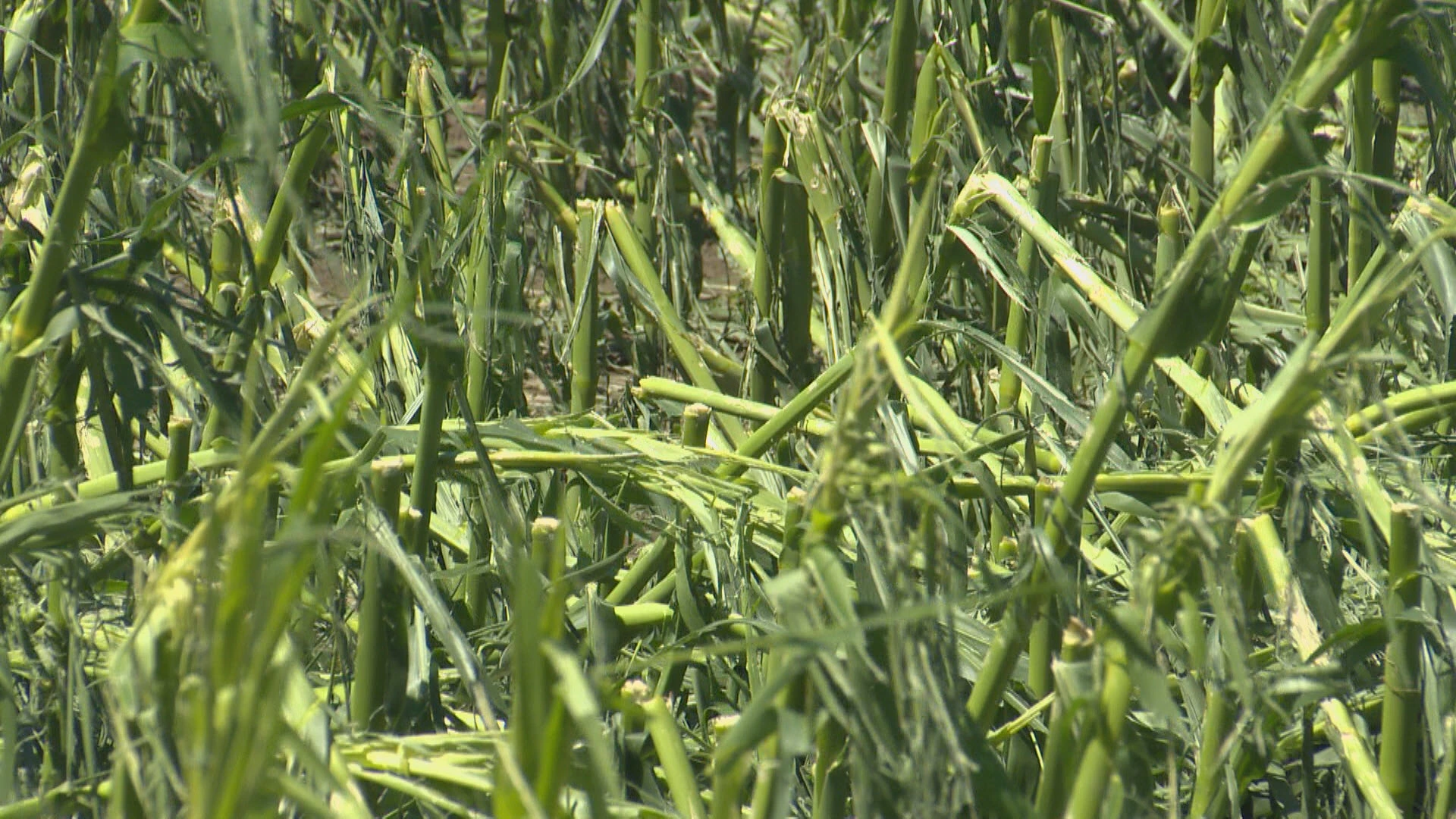
Lister Lutiyo, who farms at Nongozi village in the Sangwali area yesterday told The Namibian about 4,5ha of his maize and watermelon fields were destroyed by elephants on Tuesday.
He said he was planning to harvest this coming weekend.
“I spent about N$14 800 on ploughing and field preparation. However, now I won't be able to get the money invested in my crop fields.
“The government will now only pay me about N$4 000, which is not even close to covering my losses.
“I strongly believe the government should increase the compensation amount to at least meet us halfway,” he said.
He said on top of this, his claims for one hectare which was destroyed last year has still not been paid out.
Matthew Vuyalo, another farmer at Maunga village in the Linyanti constituency, says he had a run-in with a herd of elephants over the weekend in his maize and watermelon field, and several hectares were destroyed.
“Year after year, elephants and hippos are destroying my crop fields. However, whenever I report this issue, I am told I don't qualify to be compensated, because the elephants didn't eat enough of my crops.
“We cannot do anything because they belong to the government,” he says.
Ministry ranger Alfred Matomola says it is currently peak season for human-wildlife conflict involving crop damage.
He says the ministry launched a three-month Mudumo South Complex human-wildlife conflict joint operation last month to mitigate the ever-increasing human-wildlife conflict in the area.
The joint operation consists of community game guards from various conservancies, ministry staff from parks, and regional services.
“Since the beginning of this joint operation, about 15 hectares of crop fields belonging to various farmers have been destroyed, mainly by elephants and a bit by hippos, in the Mbilajwe, Batubaja and Maunga areas,” Matomola says.
He says they have observed that many farmers have not taken mitigation measures such as fencing or staying at their fields.
“If they have someone living in the fields, this person can then scare the elephants away or call us in time to respond before any significant damage is done.
“Without these measures, wildlife will continue to destroy their crops,” Matomola says.
Questions sent to ministry spokesperson Romeo Muyunda have gone unanswered.
Source - https://www.namibian.com.na