New rules make it easier for Nepalis affected by human-wildlife conflict to receive compensation, in a move the government says is necessary but still insufficient to address the growing phenomenon.
The guidelines came into effect July 17, the start of the new fiscal year in Nepal. Maheshwar Dhakal, director-general of the Department of National Parks and Wildlife Conservation, said the changes were made to meet the changing needs and to respect the federal structure of the country.
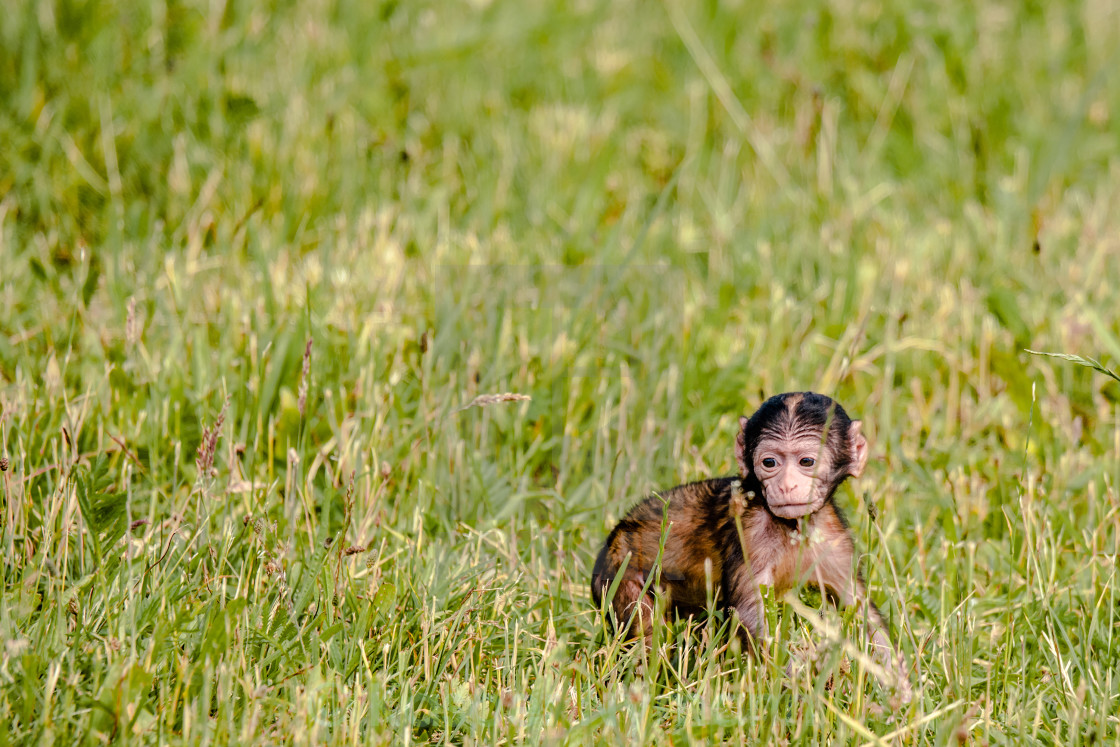
They allow people to claim compensation and relief for damages caused by 16 types of animals, up from 14 in the previous guidelines. Nilgai antelope (Boselaphus tragocamelus) and monkeys, seen as pests by farmers in Nepal’s southern plains and middle hills respectively, are the new entrants on the list.
The other animals are: elephants (Elephas maximus indicus), rhinos (Rhinoceros unicornis), tigers (Panthera tigris), bears, leopards (Panthera pardus), snow leopards (Panthera uncia), clouded leopards (Neofelis nebulosa), wolves (Canis lupus), dholes (Cuon alpinus), wild boars (Sus scrofa), wild buffalo (Bubalus arnee), mugger crocodiles (Crocodylus palustris), pythons and gaur cattle (Bos gaurus).
Dhakal said the new guidelines were based on the demands of people affected by encounters with wildlife.
“The old guidelines said that local people had to seek compensation and relief from the nearest protected area, which is under the ambit of the federal department,” he told Mongabay. “But with the new guidelines, they can do so by visiting the provincial forest office.”
The guidelines state the government must provide relief and compensation to Nepali nationals if they’re attacked by wild animals, provided they haven’t entered into a protected area illegally; if their livestock, including fish and fowl, are attacked, providing they’re on private land; and if their stored food items or crops planted on private land are damaged.
Bishnu Prasad Acharya, head of the Rapti-Manahari division forest office on the fringes of Chitwan National Park, said the new guidelines reflect the thorough study the department put in to address the issue.
“For me the highlight is that farmers whose fish and fowl are killed are also eligible for compensation now,” he said. Under the previous guidelines, the government didn’t compensate for fish killed by crocodiles or poultry killed by smaller predators.
“Also, the new provision to provide compensation to wildlife attack survivors who die within 35 days after going home following hospital treatment is a big positive step,” Acharya said.
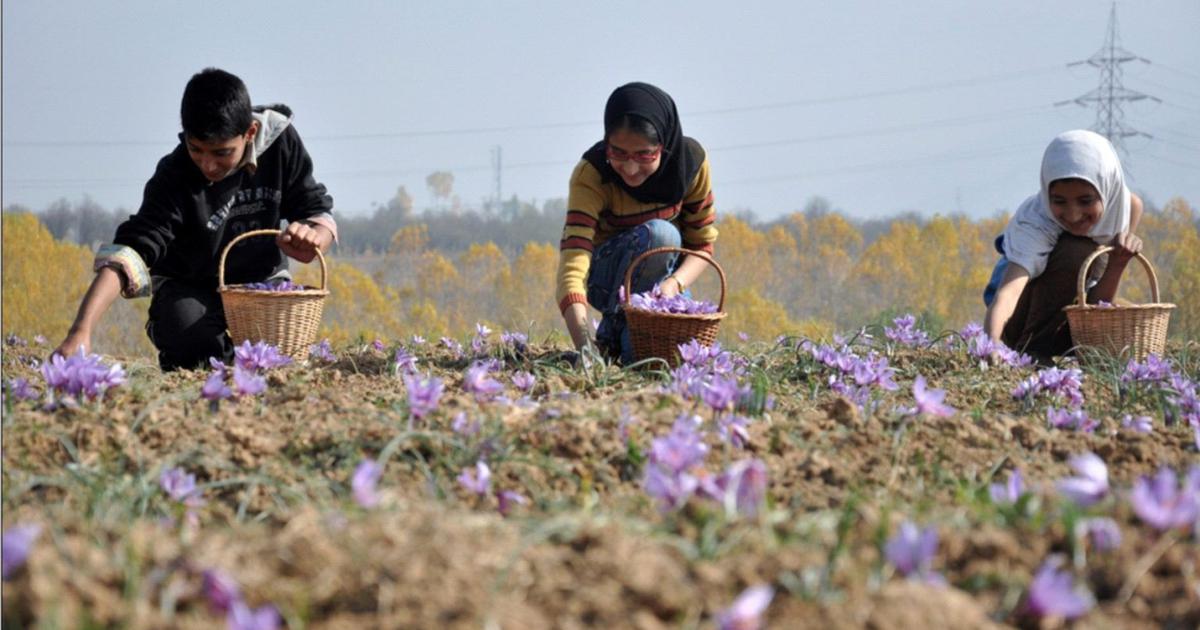
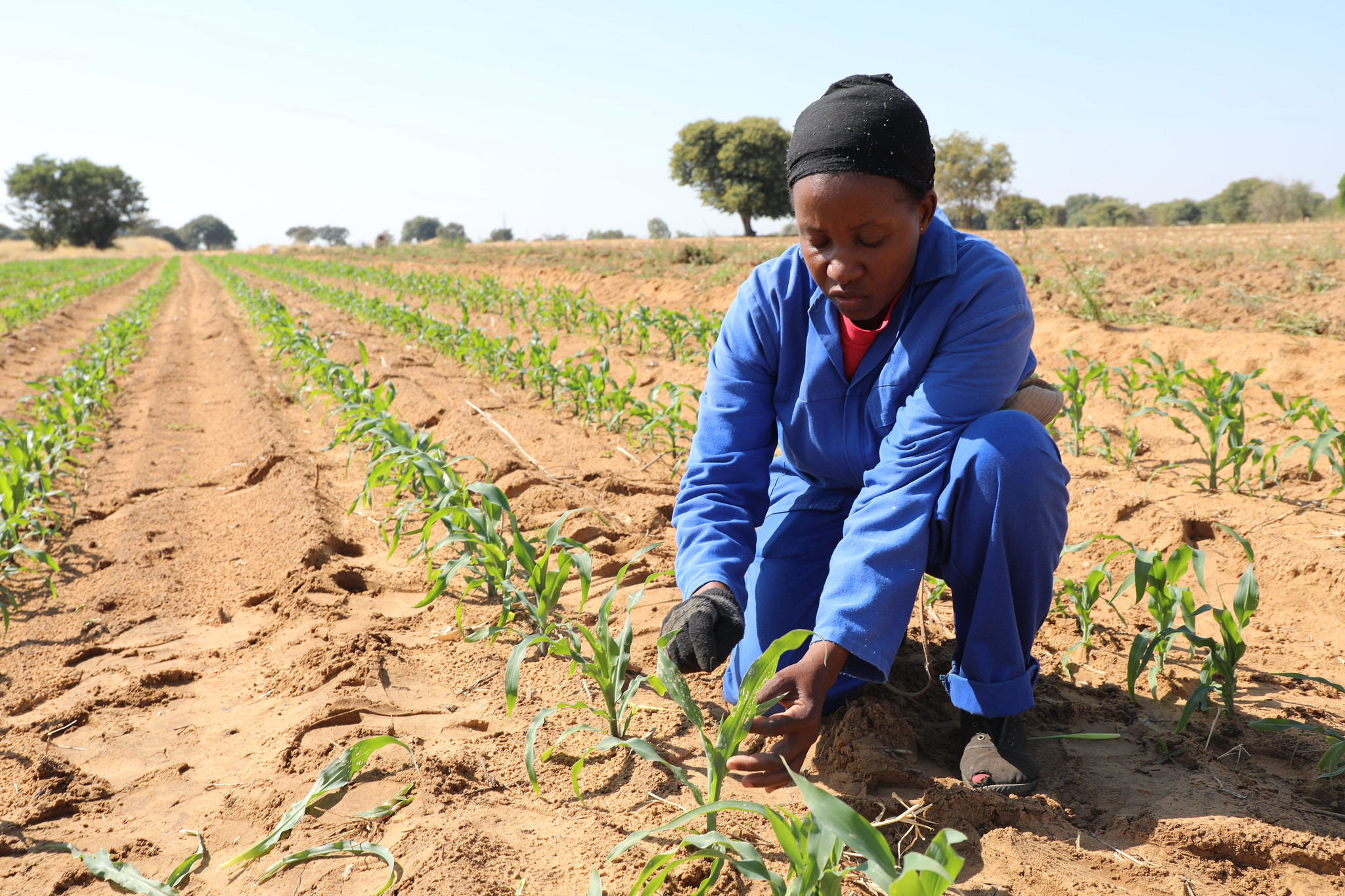
Human-wildlife conflict is a major challenge for biodiversity conservation in Nepal, where people continue to be killed, injured or suffer losses due to encounters with wild animals such as tigers, elephants and rhinos. Farmers also have to deal with crop damage by animals such as monkeys and nilgai. Over the past five years, more than 200 people have been killed in wildlife-related incidents and the government has distributed 600 million rupees ($4.6 million) in relief and compensation, according to the Department of National Parks and Wildlife Conservation.
Management of forests and wildlife in Nepal is overseen by two bodies: the federal Department of National Parks and Wildlife Conservation, which covers protected areas, and the divisional forest offices, under provincial forest ministries, which cover forested areas outside national parks.
Local communities and conservationists say that while the guidelines improve a lot of provisions in favor of farmers, there are still some issues that need to be resolved.
“For example, the guidelines make it compulsory for forest user groups to allocate 5% of their revenue to a fund to distribute relief and compensation in cases of losses arising from animals other than those listed in the guidelines,” said Birendra Mahato, chair of the Tharu Cultural Museum and Research Centre in Chitwan. “That’s a positive.”
However, he said many farmers in the Terai Arc lowlands where Chitwan is located don’t own the land they grow crops on.
“You need to have ownership of the land to claim compensation for damages,” Mahato said.
Conservationist Dibya Raj Dahal agreed that the new guidelines were more favorable than the previous ones, but noted practical issues that he said need to be addressed. For example, monkeys in Nepal’s hill region cause the most damage when they enter into people’s granaries. But under the guidelines, only those losses caused by monkeys in the fields, and not inside buildings, is eligible for compensation.
Dhakal, the parks and conservation chief, said the issues of relief and compensation are important for local communities as they shape their attitudes toward wildlife.
“However, the government will never have enough resources to provide relief and compensation to everyone all the time,” he told Mongabay. “We don’t have any other option but to move towards mass adoption of insurance schemes.”
To that end, he added, “the government will provide a minimum cover and interested farmers can pay more premium based on their requirement.”
Source - https://news.mongabay.com