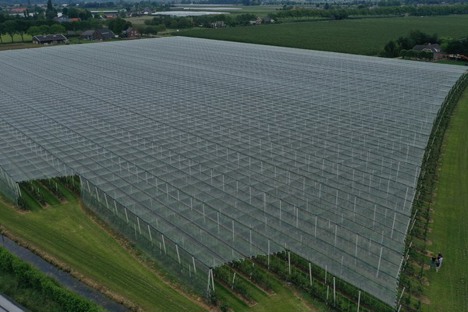
Fruit cultivation is increasingly vulnerable to weather extremes. Getting a good crop into storage is no longer always a given and you must get better at guarding against Mother Nature's whims. "Hail net systems are increasingly becoming an investment growers consider," begins Jeroen de Beste of Hermens Fruitsystems.
This Dutch company started as a farm and currently has its third generation at the helm. "In 1995, Ernest Hermens decided to also focus on importing hail protection system materials from the Italian brand Valente. That was mainly because they felt an increasing need for this protection. It was hailing more and more in Limburg, but not many growers saw the usefulness of hail net systems. After the demand from regional growers grew, Ernest decided to start trading the materials under the name Hermens Fruitsystems."
The company concentrates on top fruit farms, particularly apples, but also soft fruits like cherries. "We build systems for pears, too, but there are generally fewer requests for those. Pears can still grow relatively well with hail, provided it's not too close to picking. Apples are far more vulnerable," says Jeroen.
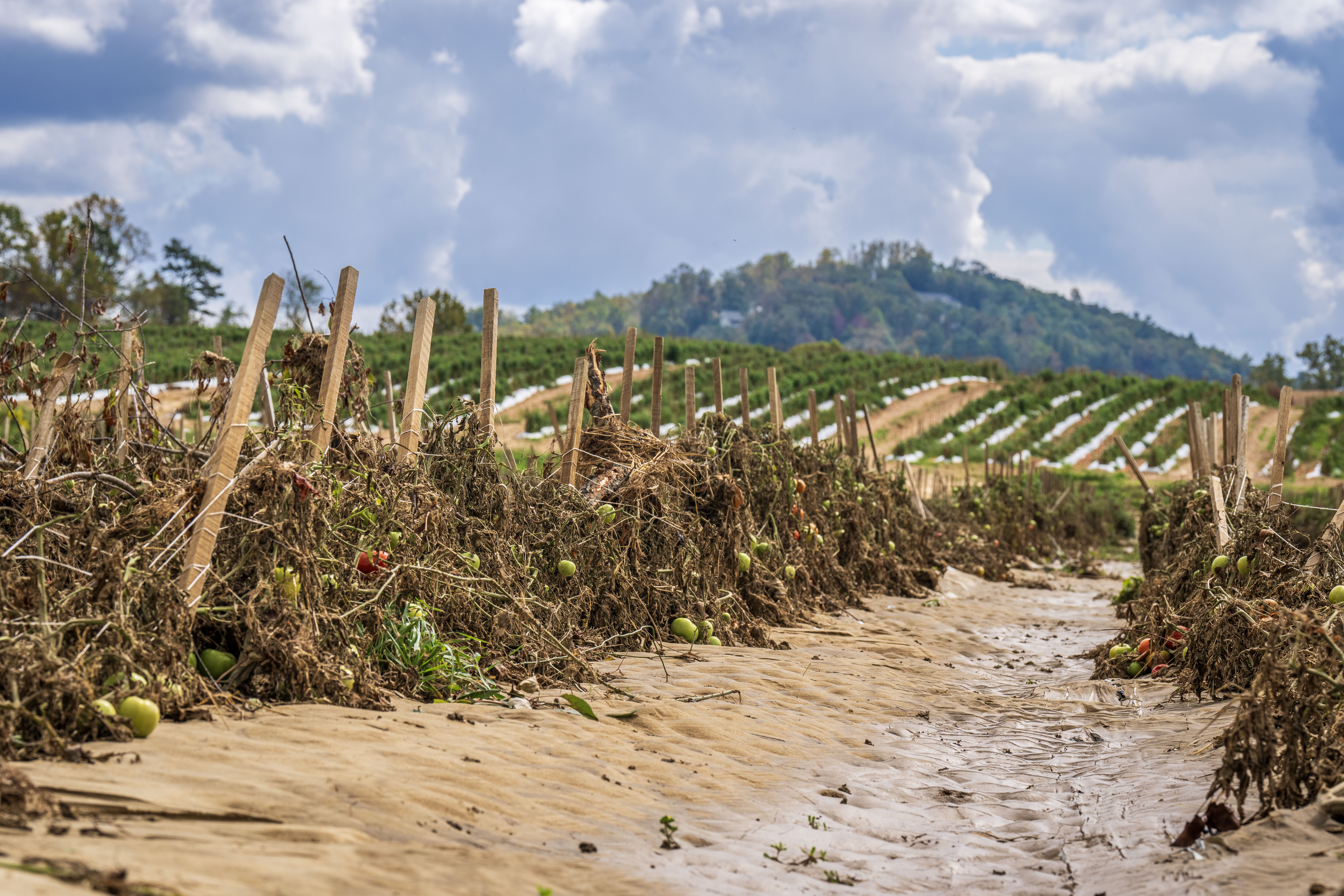
"Hail damage can cause some real damage and reduce volumes significantly. We've seen it a lot in recent years, so more and more growers are approaching us to see if they can better protect their crops. Also, it helps against sunburn. Weather extremes mean protection systems are no longer an unnecessary luxury."
Customized investment
Besides black, grey, and white nail nets with clips of zips, Hermens also supplies concrete posts in various thicknesses and heights, ground anchors, yokes, steel cables and wire, foils, and accessories. "We always discuss growers' needs with them," Jeroen continues.
"Everyone wants something different. You should think of it as a vehicle. Do you have a low, medium, or high budget? How much maintenance does it need, and what's important for which variety? It's not cheap, which makes it a true investment. Then you must ensure it's tailor-made."
"There are, for instance, many young growers who want to invest in durable systems. It's a true investment for the future, but in these times, quality assurance is increasingly important. Retailers and traders demand quality products, and if you can't guarantee the desired quality, it can quickly become disastrous. For some varieties, a hail net is even mandatory. If you can build a system that provides security for the next decades, growers can start looking at new concept varieties and introductions," Jeroen explains.
Competition makes for inferior quality.
The growing need also means more suppliers, which can rapidly lead to fierce competition. "Increased costs mean tiny product margins, so we must be competitive. A hail net system, though, isn't like a tractor. Someone may have a feeling about that, which makes them easily want to pay slightly more. Emotion is less likely regarding wires, poles, and nets. Then people consider whose is the cheapest."
"That can, unfortunately, be at quality's expense. Sometimes, providers start taking such big risks in the hail net system construction that its quality deteriorates significantly. Those systems are considerably less expensive," says De Beste, "which makes it challenging for us to convince customers that such systems aren't what they want in the long run. Because we work with Valente, we know how to deal with the extremes they recently experienced in Italy. Then the consequences of inferior quality become apparent."
'It's quite possible that within ten years, we'll also have to deal with such extreme weather conditions, so we don't see ourselves taking such risks. That sometimes makes you somewhat pricier, but we consider customer loyalty and service paramount. Ultimately, I think there will be more systems in the future, but the extent to which growers invest is an individual decision. We're satisfied when, along with our clients, we've found a suitable solution for them," Jeroen concludes.
Source - https://www.freshplaza.com