

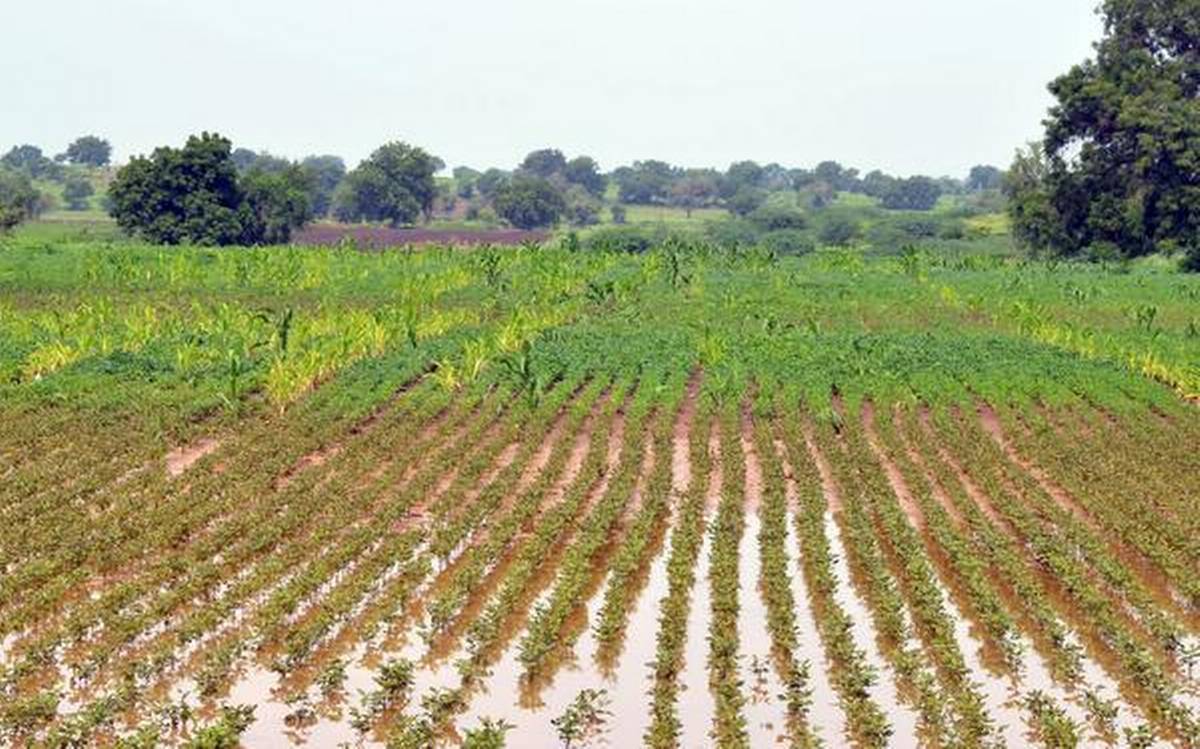
The current flooding on the North Island of New Zealand will have an impact on onion exports to Europe. According to Hendrik Hachmann, product specialist for onion imports and managing director of Mitteldeutsches Handelskontor Ltd, which was founded in 2021, this will most likely have serious consequences for availability in the local markets, especially this onion year, which is weak in terms of volume.
Batches from South Africa usually mark the start of the import season at the end of February/beginning of March. Meanwhile, domestic stored onions are slowly but surely running low. Hachmann: "In mid/late April, we will probably have to switch to overseas goods, but which origin is the key question. South Africa definitely won't do, especially since a significant portion of the yield is needed to supply the domestic market."
South Africa is traditionally followed by New Zealand. "The first product from the North Island was already delayed by two to three weeks. The situation there is now rather questionable anyway due to the flood. In short, we have to expect that goods from New Zealand will not be available nationwide until the end of April." Australia / Tasmania now have a predominantly supplementary character and are primarily dedicated to supplying the Asian market, Hachmann continues. "The last source of supply we can fall back on would be Chile. According to current information, significantly less produce in the popular market calibers (90-100 mm) will be available there."
Double drama
Last summer's prolonged drought significantly affected the onion harvest in central as well as eastern Germany, he said. "We are expected to be through with normal goods by the end of February, Retail programs from long-term storage we can serve until mid/end of March as of today. We have had to accept catastrophic crop losses. Normally, this would not have been so bad if we had been able to access overseas merchandise to the usual extent. In previous years, we were largely able to do without overseas goods because of the high level of self-sufficiency. Now we need the goods more than ever and they are not available - it's a double drama, so to speak," Hachmann describes.
Quite a lot of different varieties are usually produced overseas. The bulk consists of calibers 50-70 and 40-60. This year, the focus lies on the latter, says Hachmann. "At the moment, the product is mainly packed in 2-kg nets. As soon as the overseas goods arrive, however, it will probably be necessary to switch to 1 or 1.5-kg packs in order to keep the POS price levels bearable for the consumer." Currently, prices for German stored onions are at 0.50 euros/ex-store, shifting upward.
The raison d'être for overseas onions
Mitteldeutsches Zwiebelkontor, which has been in existence for 25 years, became Mitteldeutsches Handelskontor Ltd two years ago. "MZK is primarily dedicated to the cultivation and distribution of domestic onions, while MHK handles import processing and the marketing of onions not produced in-house. We thus create a degree of transparency for the customer and can offer onions from a single source for twelve months of the year. We can close the season, which is particularly appreciated by the food retailers. Although there are record years in which the domestic onion industry draws from its full resources, I believe we will continue to be dependent on supplementary overseas imports. To that end, it's also worth noting that overseas demand can vary greatly from chain to chain," Hachmann concludes.
Source - https://www.freshplaza.com










