In response to Cyclone Gabrielle, scientists from Plant & Food Research have been collecting data from apple orchards in Hawke’s Bay. Working with industry body New Zealand Apples and Pears, the aim is to better understand the impact of the event on tree and soil health and support grower’s management decisions, now and into the future.
The Soil Health - Assessment and Recovery Project has involved working with about 30 orchard owners and managers to study the effects of silt and waterlogging on apple blocks. These orchards have now all been visited twice, initially 15-30 days after the cyclone and then three months later. A grower survey was also completed as part of this work. A third visit to these orchards is planned this spring, allowing scientists to continue tracking changes in soil and tree health and gain insights into how recovery efforts are progressing.
Project leader, Dr Stephen Trolove, said that there was a wide range of impacts of the Cyclone on growers, from very few trees lost to some flood-affected blocks losing all of their trees. In these initial surveys orchardists reported the greatest number of tree deaths in young trees or small trees on shallow-rooted, low-vigour rootstock.
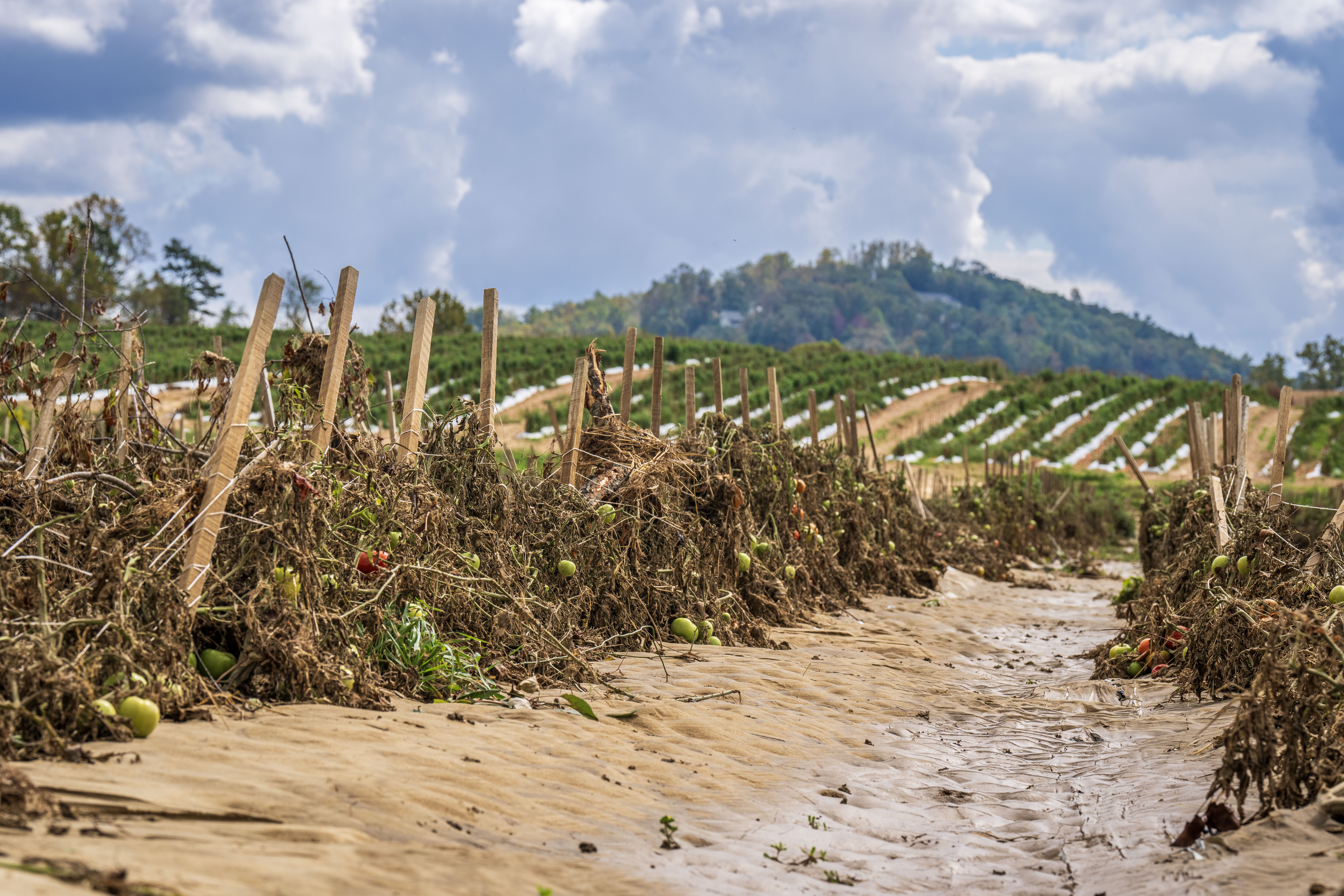
Two key sediment types were identified on silt impacted orchards – sandy sediment deposits and finer textured deposits consisting of silt and clay particles. Dr Trolove said the fine textured sediment appeared to seal the soil surface, causing the water to perch in the sediment. This saturated sediment which was slow to drain and dry out soon ran out of oxygen, indicated by a colour change to blue-green grey, a process called gleying. This prevented the movement of oxygen to the roots in the soil below.
Dr Trolove said sandy sediment showed a range of responses, some had drained by two weeks, allowing air movement to the soil below. Other sandy deposits were still waterlogged after two weeks and had become gleyed, which may have been caused by thin layers of fine sediments within the sand sealing soil pores.
“To our surprise, below the sediment layer, the original soil appeared largely unaffected – it wasn’t waterlogged or gleyed. The presence of some larger air-filled pores in the soil will have aided tree survival. The amount of air stored in the soil below the sediment varied depending on the depth of the water table, which was anywhere from 23 centimeters to greater than 100 centimeters below the original soil surface two weeks after the flooding in the blocks we assessed,” he said.
Dr Trolove said growers had several weeks or so to remove this waterlogged sediment from around mature trees before a decline in tree health was seen, although nursery trees were dead in less than two weeks. The deep, sticky waterlogged sediment made it extremely difficult or impossible for growers to get machinery around the orchard. All growers had to weigh up the economics of sediment removal.
“Even if you managed to scoop up the sticky stuff, you may not be able to tip it out of the digger bucket - some growers had to wait for blocks to dry a bit or wait for machinery or drivers before they could remove the sediment.”
While up to 750 hectares of orchards were silt-affected, a much larger area was impacted by flooding, causing widespread waterlogging in soil. Dr Trolove said in some areas water was ponded for up to six weeks, with other growers mentioning that their orchards were waterlogged all season. These waterlogged conditions will affect the root health of their apple trees.
“Damage to roots takes time to visually appear. We expect this to be evident in Spring when trees go through another period of stress brought on by bud break, flowering and fruit set, then we’ll have to have a better picture of the extent of the impact waterlogging has had on trees in the region,” he said.
Dr Jim Walker, who has led Plant & Food Research’s industry engagement since the cyclone, said fungicides were being utilised by growers to stimulate plant defenses and try to minimise damage from root diseases. Dr Walker said the soil bourne pathogen Phytophora was a key concern, as under extremely wet conditions it could cause a lot of damage to roots.
He said some trees impacted by root rot would need to be nursed along and would struggle to produce the loads they’d previously been able to carry. Pruning was one part of managing crop loads, but it would largely need to be managed through thinning.
“Damaged root systems cannot carry as big a crop – if you try to then you risk the health and the future of the tree. The focus must be orchardists protecting their long-term investment and making management decisions that will set them up for multiple seasons of productivity.”
Dr Walker said prior to the cyclone, a well producing tree might’ve been carrying 500-600 fruit per tree – but some of those trees might only be able to carry a third of that load in the coming season.
“It’ll be important for growers to understand what variation in the water table there might be on their orchard and how long the trees might’ve been immersed in water. Low spots will likely require more thinning for tree survival to be maximised,” he said.
“We know growers have already put a huge amount of effort into getting their orchards back to good health and growers are going to need to keep making good management decision during this next phase of the recovery.”
Source - https://www.plantandfood.com