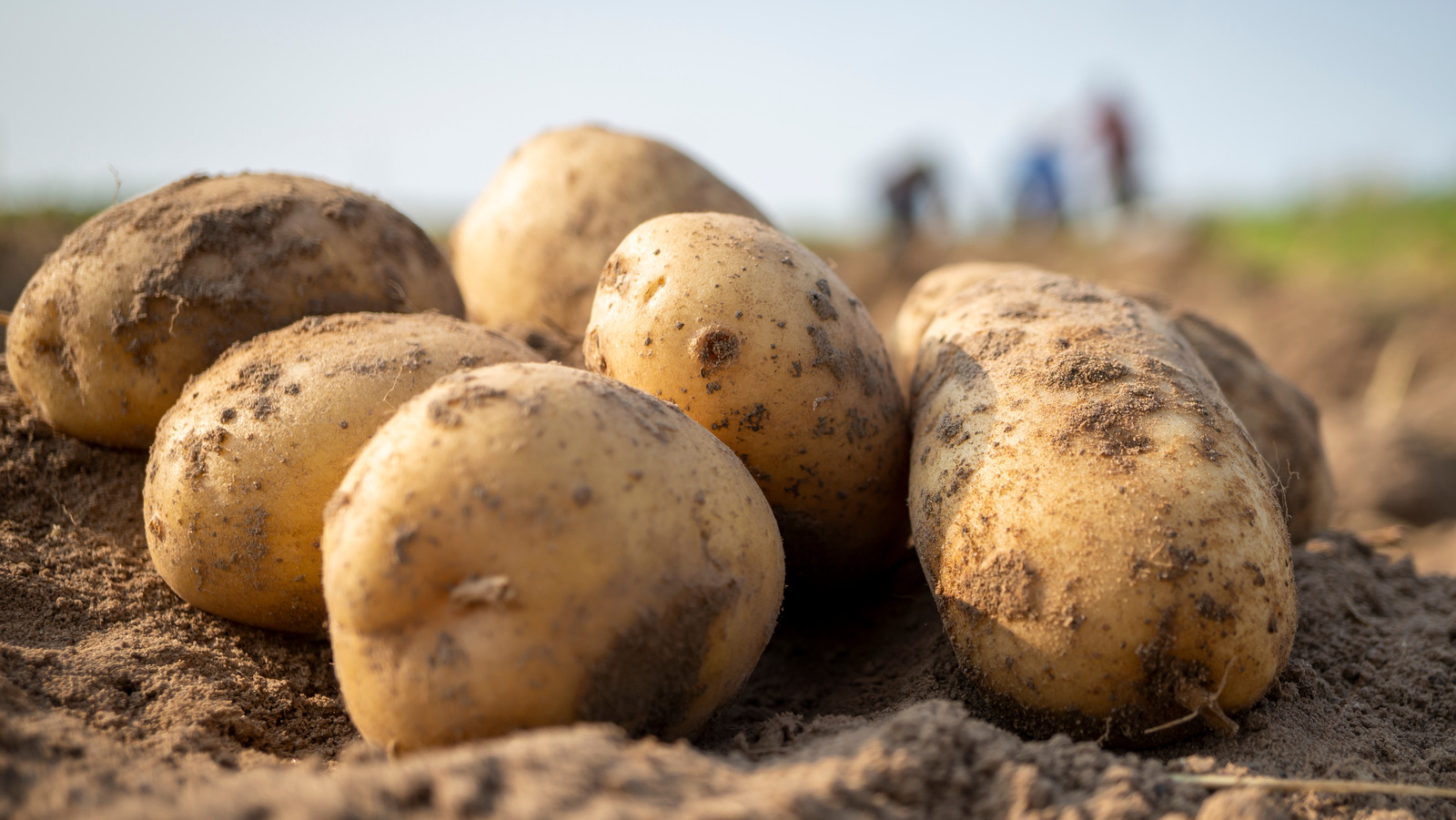
In a groundbreaking study, funded by the European Union’s Horizon 2020 research and innovation program, a team of researchers from Austria and Belgium has delved into the perceptions and challenges of 553 farmers across 22 European countries. The results of this extensive survey was recently published in the journal ‘Climate’ in a scientific paper titled “Farmers Feel the Climate Change: Variety Choice as an Adaptation Strategy of European Potato Farmers“. It sought to understand how climate change is impacting potato production in Europe and what farmers are willing to do about it.
Potatoes, Farmers and Climate Change
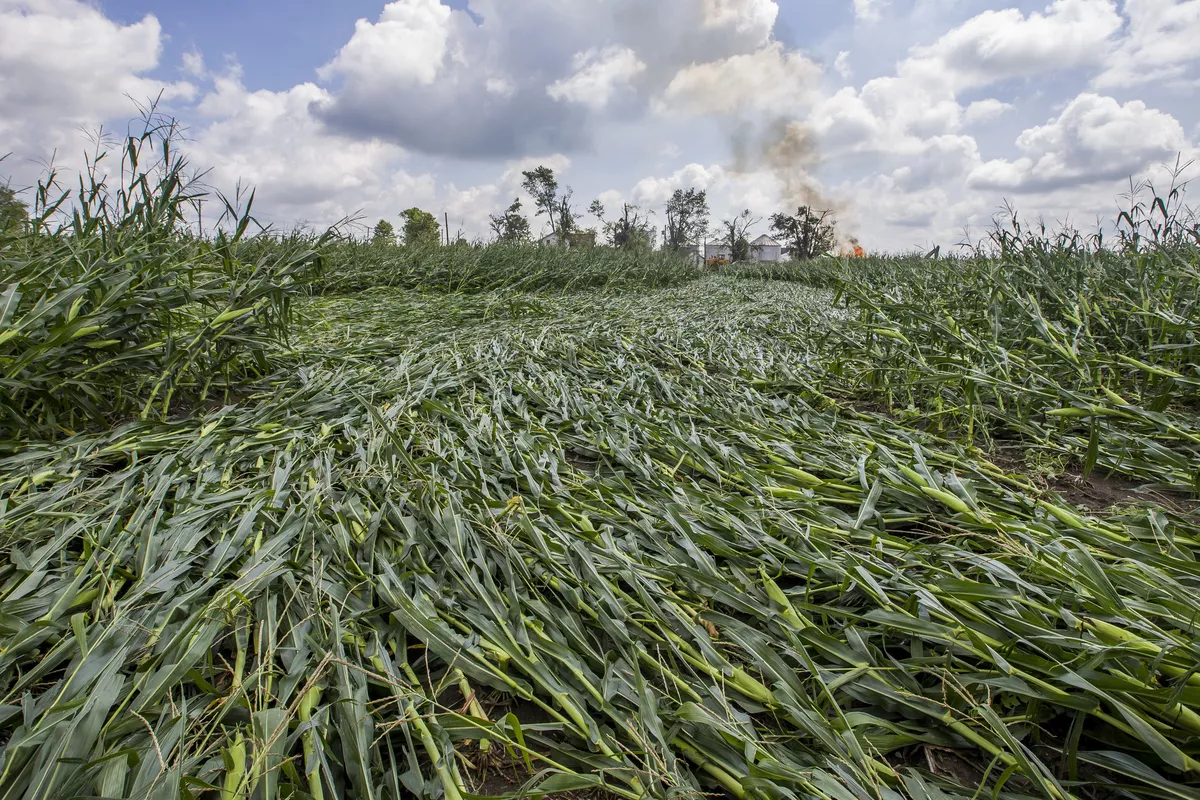
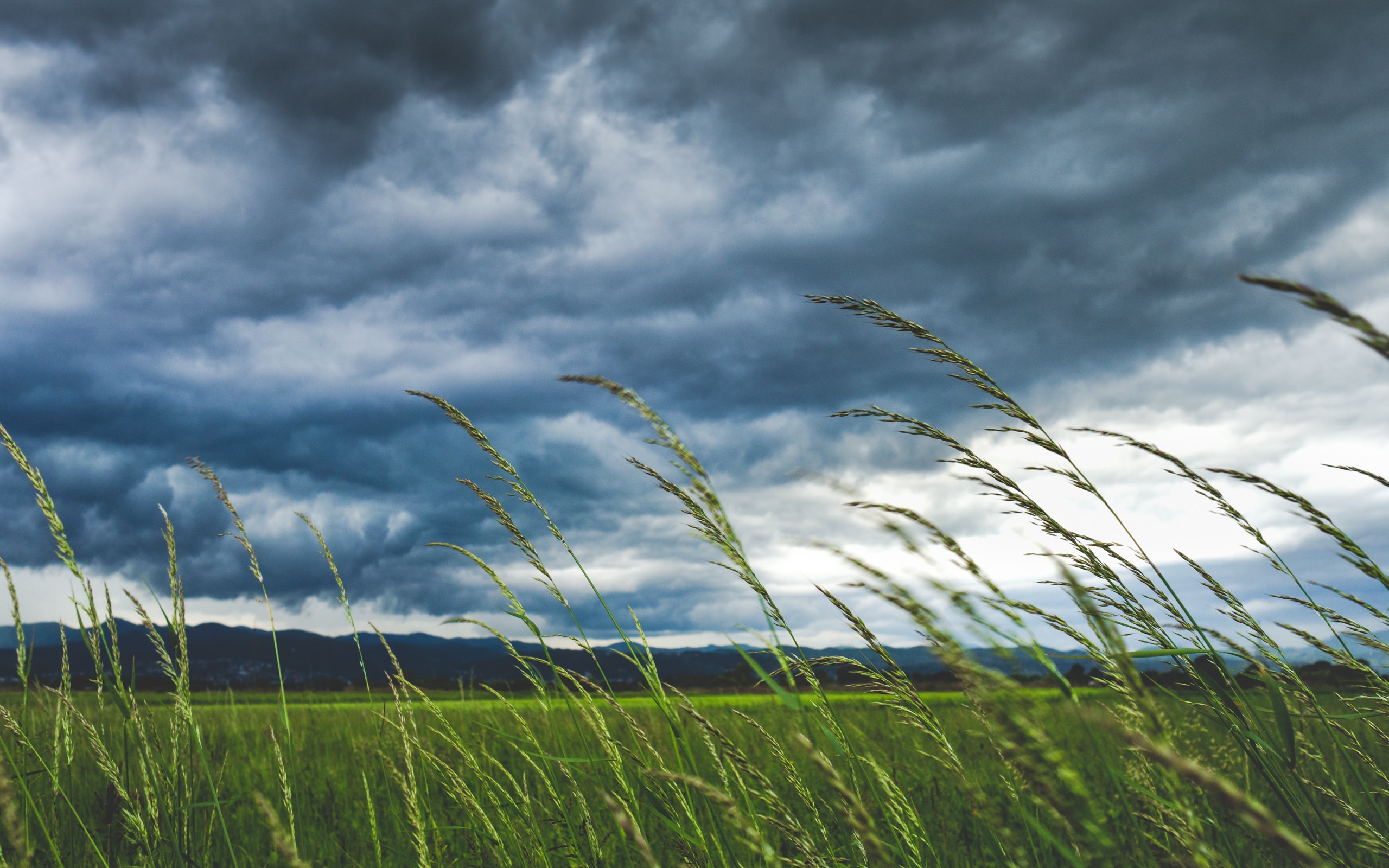
The findings are a wake-up call: European potato yields are under severe threat from climate change. Drought and heat, two of the most significant byproducts of global warming, are drastically reducing crop yields. To add to the growers’ woes, issues like poor soil water retention and the lack of proper irrigation systems are exacerbating the situation. Without adaptation, global potato yields could plummet by 18% to 32% by 2069. However, effective adaptation strategies could halve these losses.
Potatoes, with their shallow root systems, are particularly susceptible to drought. This vulnerability is intensified by the ongoing global warming. The survey revealed a startling gap: only a minority of farmers have access to irrigation, underscoring the urgent need for adaptive solutions. While expanding irrigation can help, it also brings significant financial and environmental costs.
Interestingly, the survey noted a silver lining: CO2 fertilization positively impacts potatoes, a C3 crop. This factor might mitigate some of the yield losses, although reductions are still expected. The effects of climate change on potato crops vary regionally, with northern Europe potentially benefiting from longer growing seasons and southern Europe becoming more reliant on irrigation.
Farmer Awareness and Adaptation Preferences
Most farmers surveyed are acutely aware of climate change’s impact on their crops, especially concerning drought and heat. This aligns with meteorological data showing increasing frequency and intensity of heatwaves and droughts.
Farmers are gearing up for these challenges, showing a preference for potato varieties that can withstand harsh conditions, particularly those with heat tolerance and disease resistance. However, there’s a noticeable reluctance to use genetically modified varieties, indicative of the ongoing debates in Europe.
Challenges in Breeding and Information Flow
Breeding programs focusing on drought and heat resistance are critical, but they face challenges in maintaining tuber quality. Farmers tend to rely on their own experience or peer advice when selecting varieties, pointing to a need for better communication and knowledge transfer from breeding companies and agricultural institutions.
Conclusions: The Road Ahead
The ADAPT project stands as a pivotal initiative in developing resilient potato production techniques for the future. The survey results affirm that European potato farmers are already grappling with climatic difficulties, mainly heat and drought. The selection of stress-tolerant potato varieties emerges as a crucial adaptation method. Despite the availability of various options, including genetically modified varieties, there’s still significant hesitance in their adoption.
This research underscores the critical role of farmers in adopting and implementing adaptation strategies. It reveals a gap in information transfer from breeders to farmers, emphasizing the need for a comprehensive range of adaptation approaches. The insights gained from this survey are vital in guiding the project to support farmers effectively in their adaptation efforts.
The research team concludes by saying, “With its work program, ADAPT fulfils the farmers’ needs by developing new pipelines for the targeted development of stress-tolerant potato varieties in a holistic approach. The results of the survey show that the expected outcome of the project should support farmers when implementing adaptation measures.”
Source - https://www.potatonewstoday.com