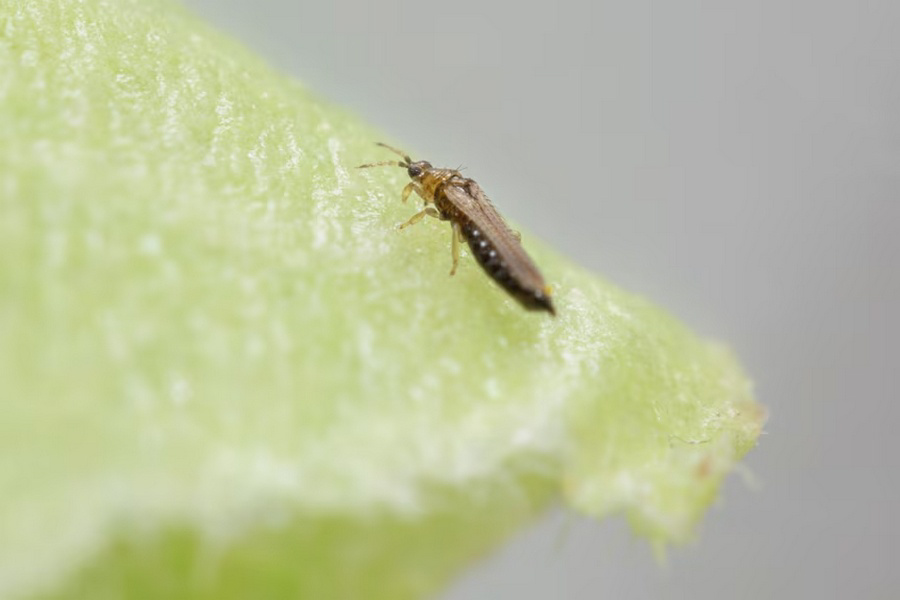
Berry growers in south-east Queensland, Australia, are reporting crop losses following the detection of Frankliniella intonsa, a flower thrips recorded in the country for the first time. The pest has affected strawberry, raspberry, and blackberry crops in the Moreton Bay and Sunshine Coast regions.
Biosecurity Queensland confirmed Australia's first detection in April after the insect was found in damaged raspberries at a farm in Elimbah. It is not known how the pest entered Australia. Frankliniella intonsa is listed as an emergency plant pest and measures 1.2 to 1.8 millimetres.
The thrips feeds and lays eggs inside blossoms and on developing fruit. Feeding damages plant cells, causing scarring that can reduce yield and marketability. Affected fruit remains safe to eat but can be more susceptible to splitting and rain damage.
Queensland Strawberry Growers president Adrian Schultz said the pest is present throughout strawberry-growing areas in south-east Queensland. "We're looking at millions of dollars … on average most farms in south-east Queensland would be losing at least 50 per cent of their crop."
In the Glass House Mountains, grower Brendon Hoyle said pickers are composting up to 70 per cent of his strawberry crop. Growers report that insecticide applications have not controlled the pest, while tonnes of damaged fruit are being discarded during the peak of the season.
Biological control is also being assessed. Paul Jones, director of Bugs for Bugs, said natural enemies include a predatory mite and pirate bug. However, beneficial insects were released after thrips populations had already reached high levels this season. "We believe the solution to this problem is beneficial insects, but it's all about timing."
Outside Australia, Frankliniella intonsa has been recorded in New Zealand, Europe, China, Taiwan, Vietnam, Japan, Canada, and the United States. It thrives at temperatures between 18 and 28 degrees Celsius and can affect crops including green beans, zucchinis, cucumbers, melons, capsicums, asparagus, alfalfa, cotton, and cut flowers.
Biosecurity Queensland said surveillance, diagnostics, and technical assessments have been undertaken. Government and industry stakeholders are continuing work to determine the pest's distribution, impacts, and future management.
Source - https://www.freshplaza.com