Partial crop losses on Nigerian farms have more than tripled in five years, climbing from roughly six percent of cultivated plots in the 2018/19 season to more than 20 percent in 2023/24, according to a World Bank analysis of General Household Survey–Panel data.
The sharp rise, driven by climate shocks, environmental stress and worsening insecurity, is raising fresh alarms about food security, rural livelihoods and the long-term sustainability of Africa’s largest agricultural economy. Agriculture still accounts for about a quarter of Nigeria’s gross domestic product and employs more than one-third of the labour force, supporting staple crops such as cassava, yam, maize and cowpea alongside cash crops including cocoa and palm oil.
While outright crop failures remained relatively stable over the period, partial losses—where plants are damaged or yields heavily reduced without total destruction—surged. The pattern affected both seasonal field crops and permanent tree crops.
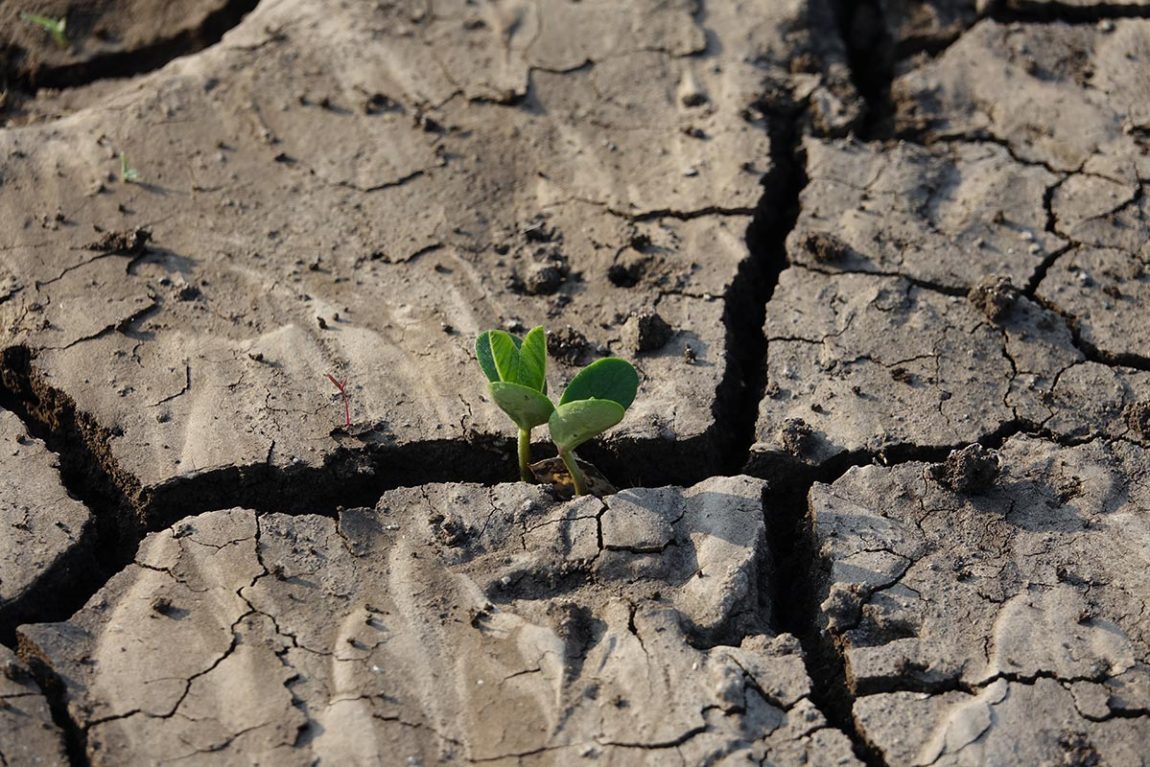
Weather and environmental shocks remained the dominant cause nationwide, responsible for more than one-third of all losses in both seasons and nearly two-thirds of partial losses in 2023/24. Seasonal crops proved especially vulnerable to flooding, excessive rainfall and related disruptions. Conflict-related losses, however, nearly doubled and now account for roughly one-fifth of national crop losses. In parts of the northeast, northwest and north-central zones, insecurity has become a major threat, sometimes rivaling climate risks. Unlike weather damage, which mainly cuts yields, violence can cut farmers off from land, labour, inputs and markets, or force them to abandon plots entirely.
Regional patterns shifted markedly. In 2018/19 the South-South recorded the highest total losses at 13.1 percent of plots, driven largely by weather. Losses were far lower in the North-Central (4.3 percent) and Northeast (4.6 percent). By 2023/24 the Southwest had risen to 11.9 percent and the South-South remained high at 12.8 percent. The most dramatic change occurred in the Northeast, where more than 40 percent of plots suffered partial losses, a combination of weather damage and insecurity.
Field crops, historically less affected than tree crops in absolute terms, saw losses double, while tree-crop losses declined slightly. Weather shocks drove much of the increase among staples such as maize and cowpea, critical to household food supplies and rural incomes. Conflict and pests hit both categories.
A related warning sign is the jump in planted land left entirely unharvested. The national share rose significantly, with the sharpest increases in the Northeast—from about 7 percent to nearly 27 percent—and the South-South. Beans and cowpea recorded the highest unharvested shares, followed by cassava and maize. Yam was the only major crop to show a decline, possibly because of its wider geographic spread and shorter growing cycle.
The findings underscore that simply expanding production is no longer enough.
Analysts recommend heavier investment in drainage and flood-control infrastructure, climate-smart farming practices and resilient seed varieties, especially in flood-prone areas.
They also call for tighter coordination between agricultural support and security measures so that input distribution, extension services and livelihood programmes reflect local security realities and keep farmers on their land.
Better access to climate information, pest management and advisory services is equally essential.
Without stronger protection against climate and security shocks, rising partial losses risk undermining food availability, eroding rural incomes and reversing gains in Nigeria’s agricultural sector.
Source - https://tribuneonlineng.com