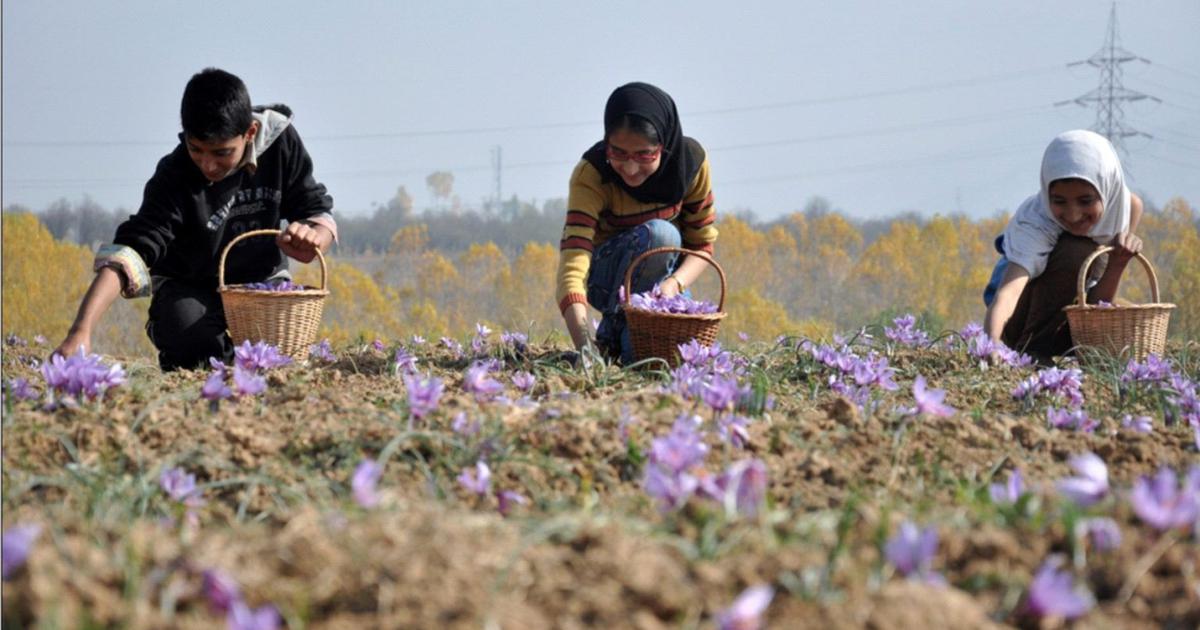
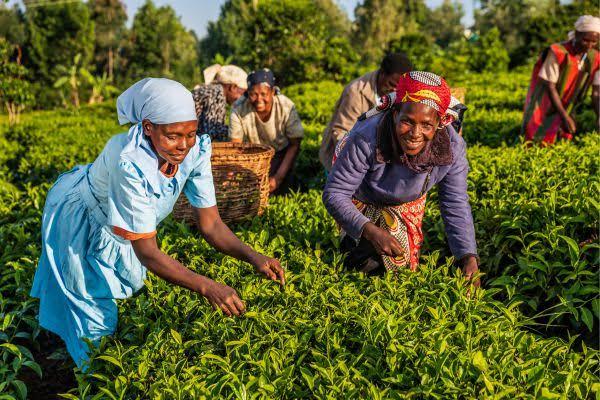
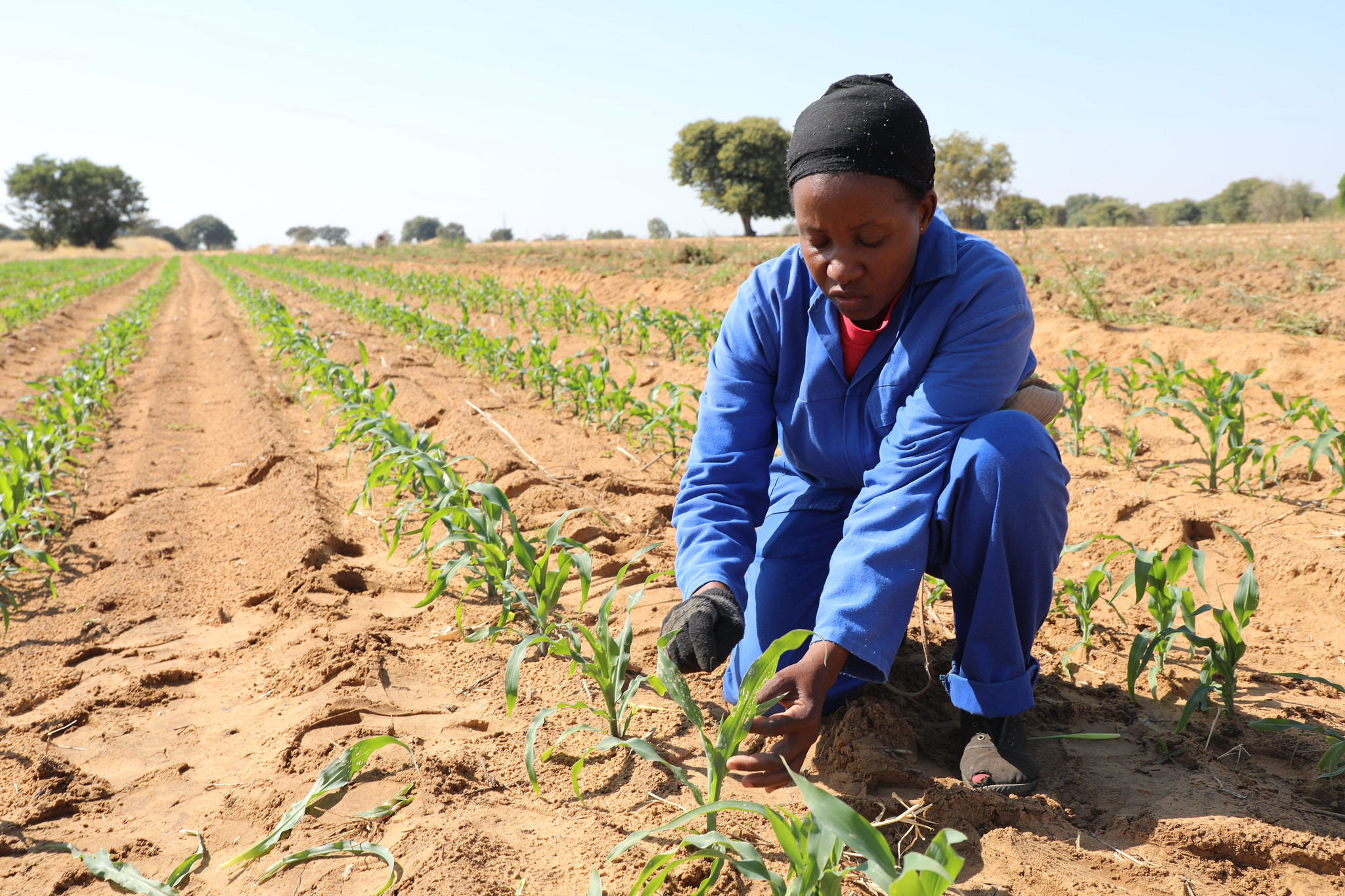
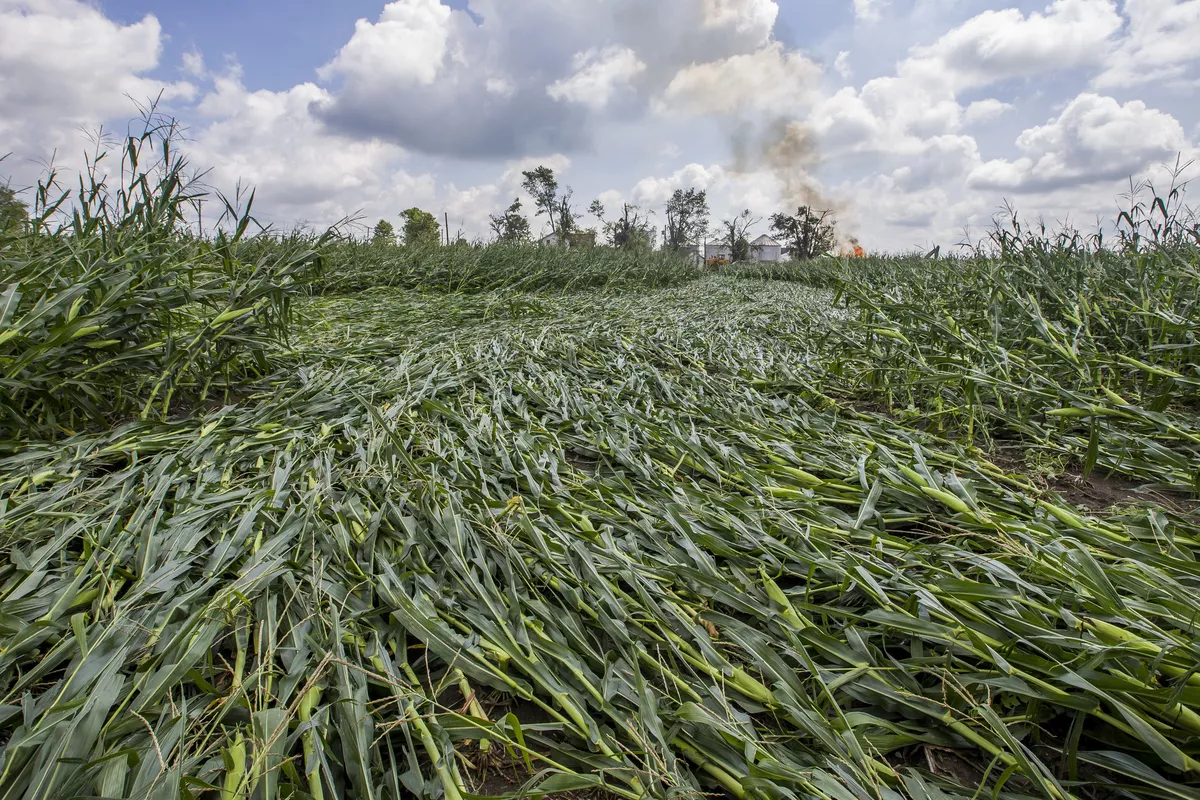
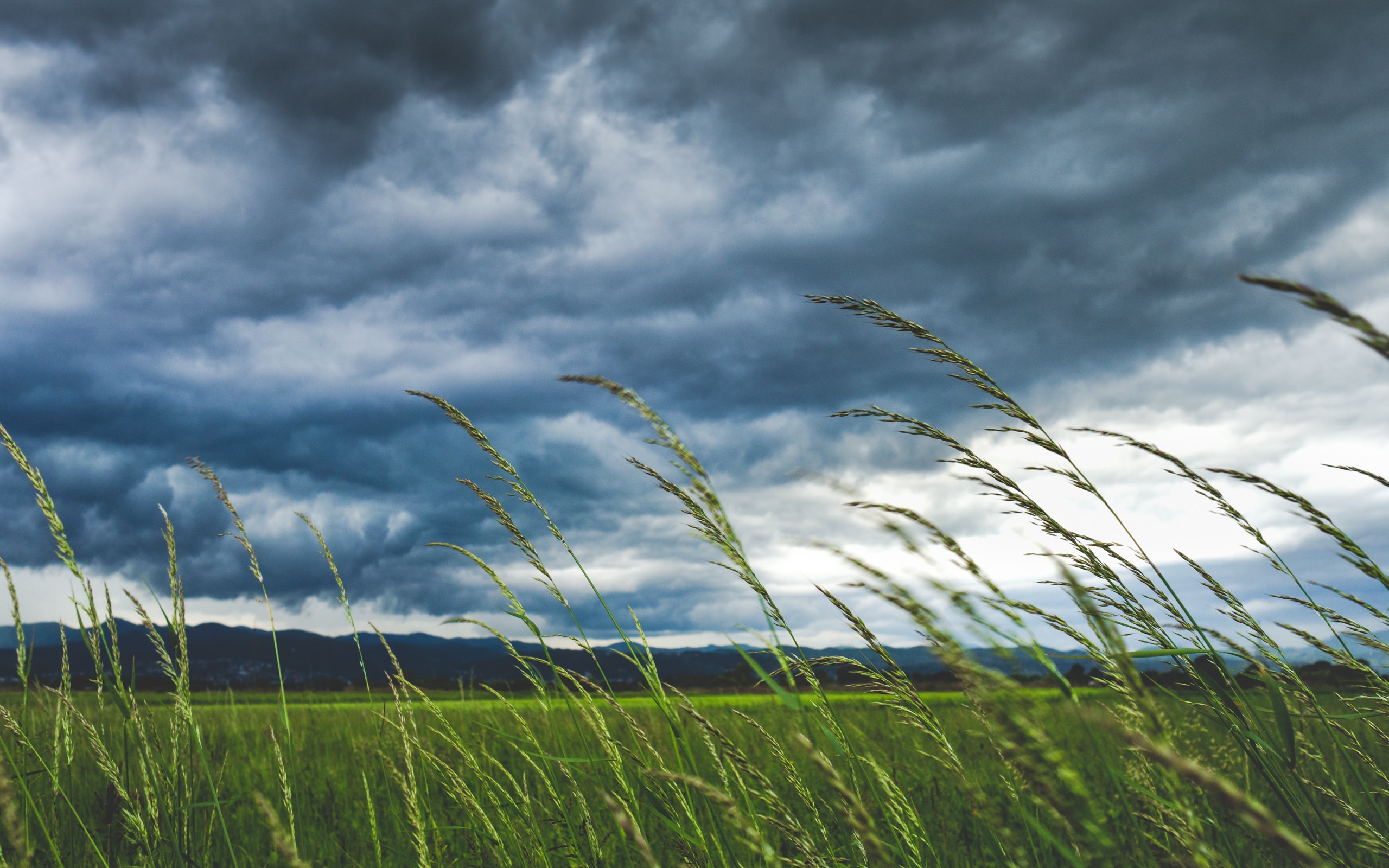
Farmers in Borno, a state in North East Nigeria, have said climate change is affecting their crop yields due to high temperatures and unpredictable rain patterns.
Umar Abba, one of such farmers in the Jere area of Borno, told HumAngle that this farming season has been terrible for them. Abba said their hope for a bountiful harvest was cut short by high temperatures and short rainfall.
“I regret farming this year,” he said. “I can’t do it anymore.”
Earlier this year, the Nigeria Meteorological Agency (NiMet) predicted that Borno state would have a delayed onset of rainfall and early departure. The agency also advised farmers on measures to take such as moisture preservation in farms, practising zero tillage, and use of supplementary irrigation, among others.
However, many farmers in the ravaged state said they were unaware of the agency’s prediction, hence their reason for investing in farming without considering the climate change factors.
Climate change has long worsened living conditions in the region, contributing to the cases of insecurity and a receding development around the area. For example, the expanse of Lake Chad, once one of Africa’s largest lakes, has shrunk by 90 per cent in the space of 60 years, according to the United Nations Environment Programme. Four African states — Cameroon, Chad, Niger, and Nigeria — share the lake which also offers a lifeline to nearly 40 million people.
In recent years, environmental degradation has been complicated by the Boko Haram insurgency, a plague that began over a decade ago. In January 2018, more than 2.3 million people were displaced by the conflict in the Lake Chad Basin region.
The Lake Chad basin is vulnerable to extreme climate change-related events such as floods and droughts, according to the World Meteorological Organization. Now, locals in Borno directly feel the impact of climate change, but many appear uninformed of the situation.
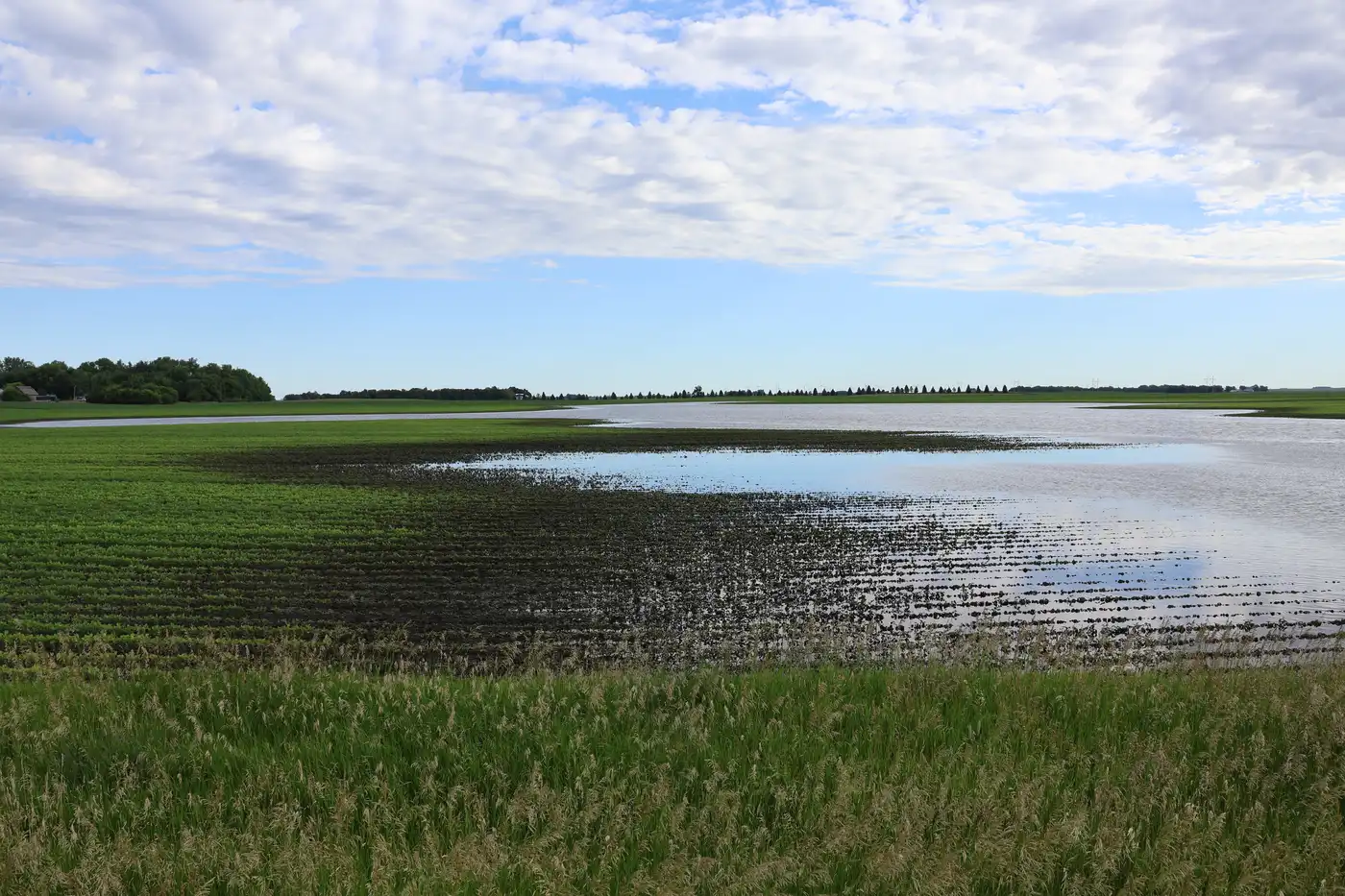
“Last year, there were heavy downpours and a lot of flooding, my farm too was flooded, and this year there is a shortage and irregularities in rainfall,” said Mamman Ali, one of the affected farmers. “Just five days ago, everywhere was hazy and the weather seemed like Harmattan. But suddenly it started to rain.”
Once the farmers were confident the rainy season had ended, they began the important task of harvesting their crops. But climate change has disrupted this age-long practice. In recent days, farmers have observed the unexpected presence of haze. Believing the rainy season had ended, many of them began harvesting their groundnuts and processing their haulms (leftover stems and leaves of the groundnut plants).
“My hopes are in the haulms; I had a terrible harvest this year, and rain has spoiled some parts of it,” Godiya John, a groundnut farmer in Borno, told HumAngle. “I am afraid if it rains again it will spoil the plants. For those who planted beans, the growth of the beans has reached a level that the fruiting beans will rot if it rains further.”
Maman Sadiq, another farmer hit by the climate change reality, said he believes “there will be more hunger this season than the previous because farm output is poor, the cost of food stock has skyrocketed and our men don’t have jobs”.
Source - https://humanglemedia.com