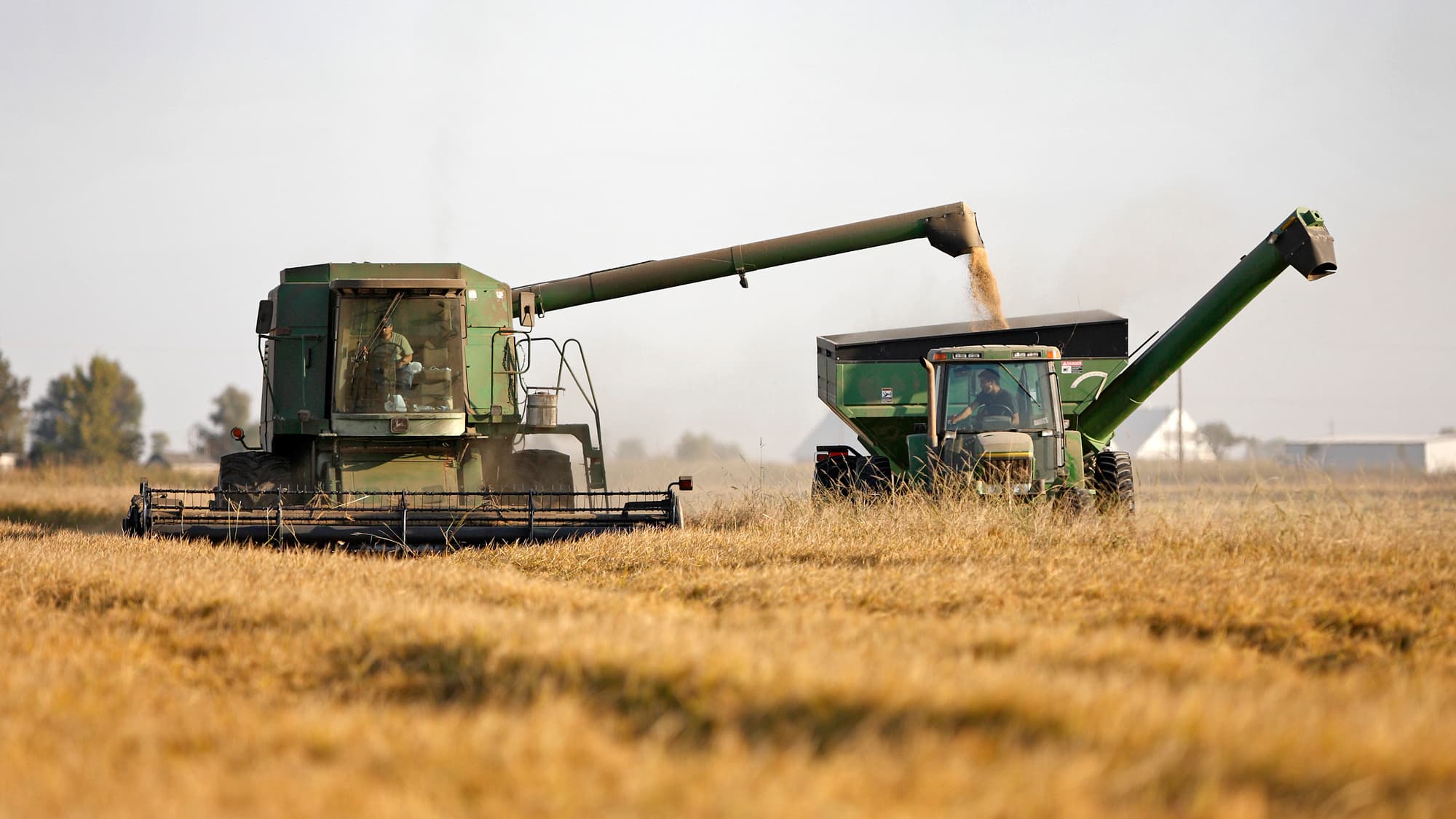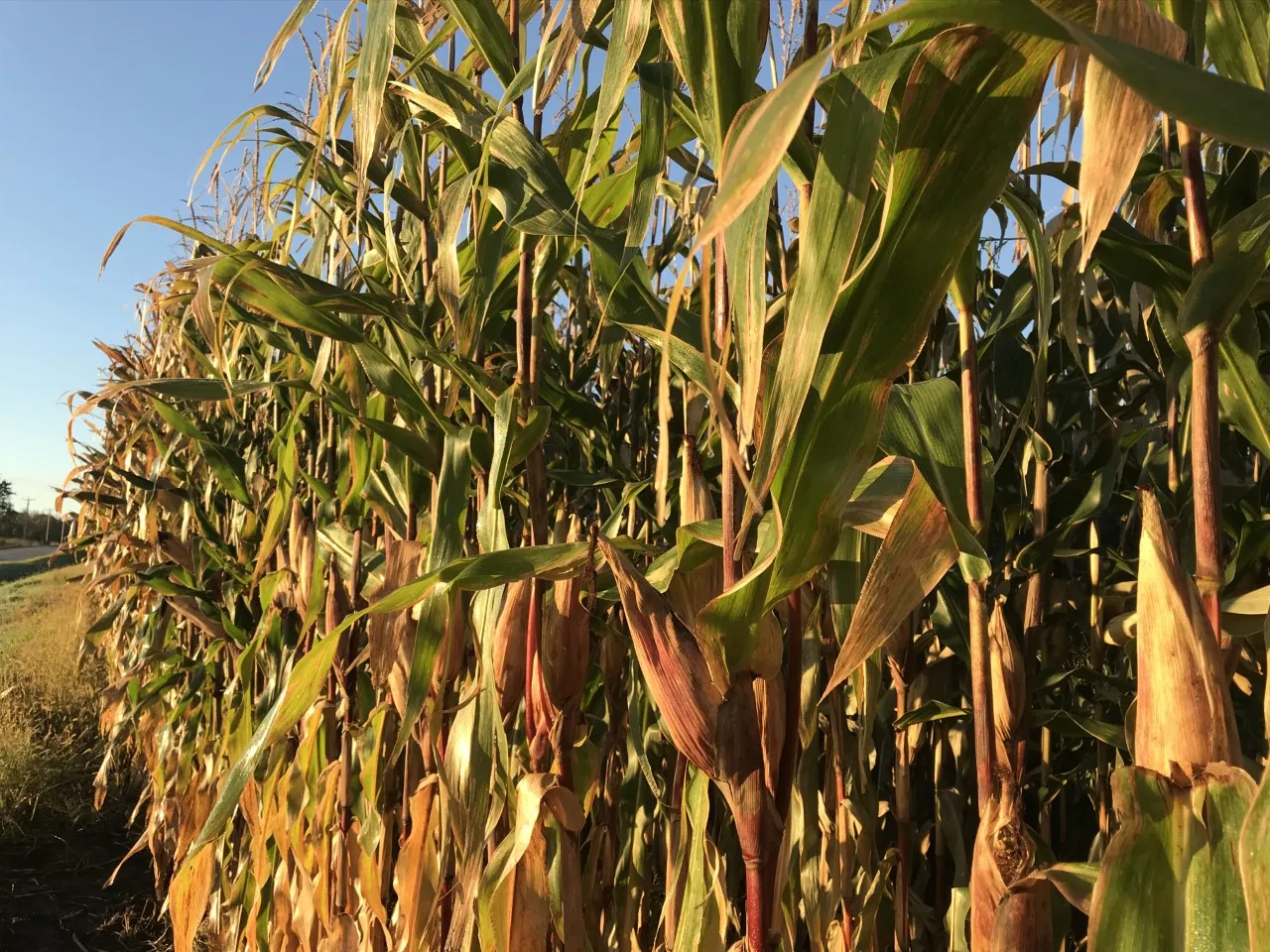
A Lagos-based a agribusiness firm, Moor Farms Limited, has launched a three-year agricultural investment scheme requiring a minimum investment of ₦6 million per acre, promising staged returns from cassava, cashew, and corn cultivation.
At a press briefing in Lagos, Olumuyiwa Adewunmi, CEO of Moor Agro-Finance and Investment Bank, said each investor would be allocated one acre of farmland within the estate, with projected earnings distributed annually over a three-year cycle.
Investors are expected to receive approximately ₦645,000 in the first year, ₦843,000 in the second year, and up to ₦2.7 million by the third year, depending on crop performance and market prices.
Adewunmi described the initiative as an integrated solution, combining cultivation, processing, and produce offtake within the estate model.
Using precision farming techniques, investors can remotely monitor soil health, water and nutrient levels, and projected crop valuation via a digital platform linked to their investment profile, allowing daily updates regardless of location.
Each estate is designed with 45% cashew, 35% cassava, and 20% corn, while “platinum” subscribers can adjust crop composition within approved limits. Estates will begin with 20-hectare fenced and monitored plots, with plans to scale to thousands of hectares across Nigeria, including designated locations in Kogi State.
Adewunmi added that the firm has applied for a microfinance licence to support operations and noted that robust security measures and crop insurance arrangements have been established to mitigate theft and environmental risks. Crop insurance is provided through First Bank Insurance, covering potential losses associated with cultivation.
Beyond financial returns, the initiative aims to create employment opportunities and strengthen fiscal and land security within farming zones. Adewunmi emphasised that structured private participation in agriculture is crucial given Nigeria’s 77 million hectares of arable land—much of it underutilized—and a $22 billion annual food deficit.
The estate model aggregates smallholder production into commercially viable operations, aiming for zero waste through guaranteed offtake. Operations are scheduled to commence in March, with investors provided all necessary inputs for their plots.
Adewunmi highlighted the long-term nature of the project, noting that investments are designed to grow in both property value and crop yield over time.
Source - https://guardian.ng