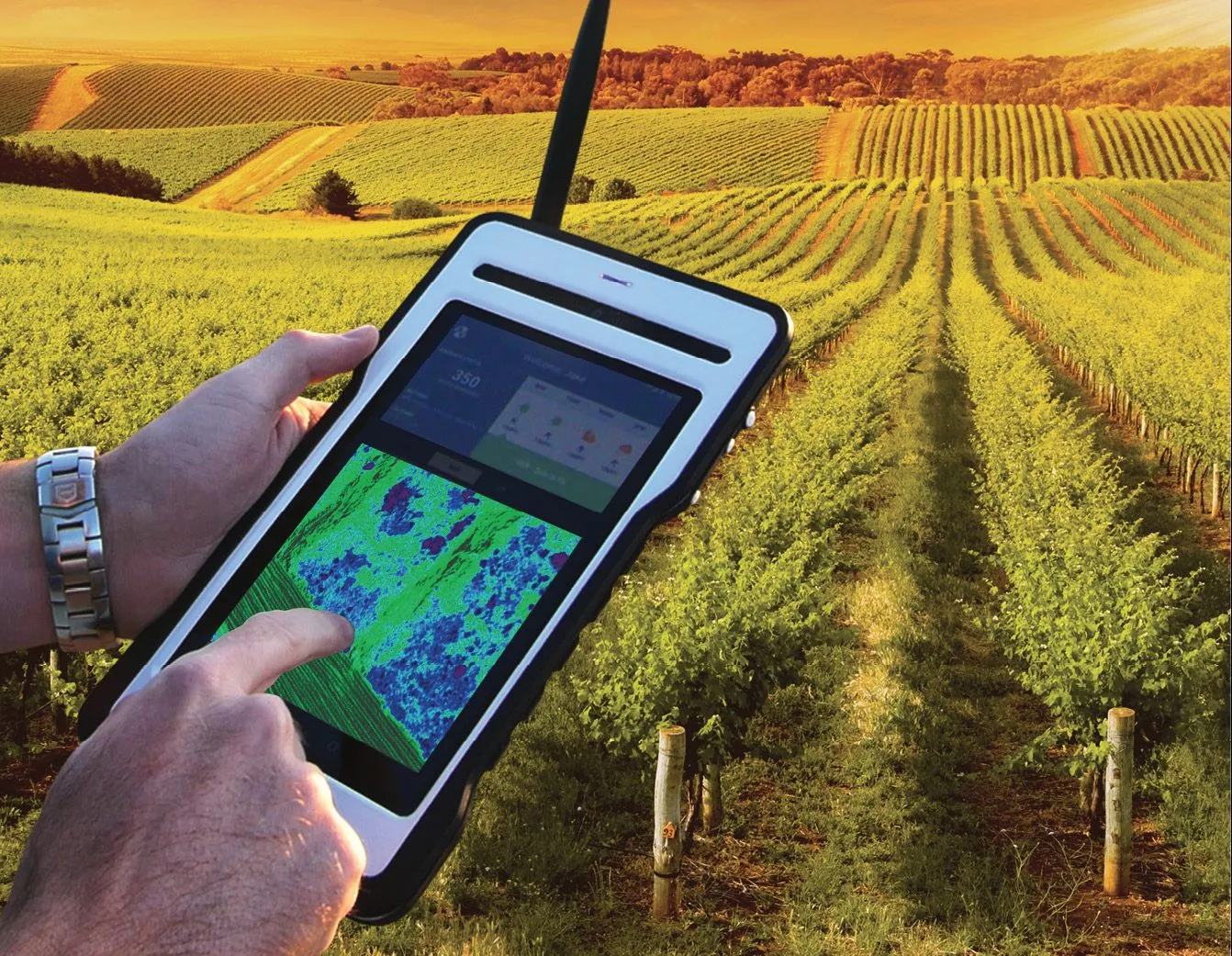
The Nanyang Technological University (NTU) and the Singapore Business Federation (SBF) Center for African Studies report has stated that Nigeria could reduce crop losses by 50 per cent by deploying the use of digital agriculture.
In a report, they said that digitalisation of agriculture could detect early weather warning systems that would help farmers to adjust their planting and harvest times and reduce high crop losses as a result of pest damage, improper handling and storage of harvested crops.
The report stated that agricultural crop production is the most economically significant segment of the agricultural sector, but stated that for the most part, crop production volumes are not sufficient to meet domestic demand, which leaves a supply gap addressed by imports.
“There are deep infrastructure gaps across the value chain-notably poor road networks of storage facilities, and unreliable electricity supply. This makes agriculture unproductive.
“The situation is made worse because crop production and agricultural processing facilities are geographically far as most farming takes place in the northern states such as Niger, Kaduna, Gombe, and Bomo are among those with highest low agriculture output.
“On the other hand, agricultural processing mainly occurs in the south, where of Nigeria’s five megacities are located and where demand for food is increasing,” the report said.
At a national level, NTU-SBF said that a digital solution that would help to manage the national food deficit could also help to improve food and nutrition security by monitoring countrywide food production and consumption, maintaining that it could be achieved through the development of a digital Food Balance Sheet (FBS).
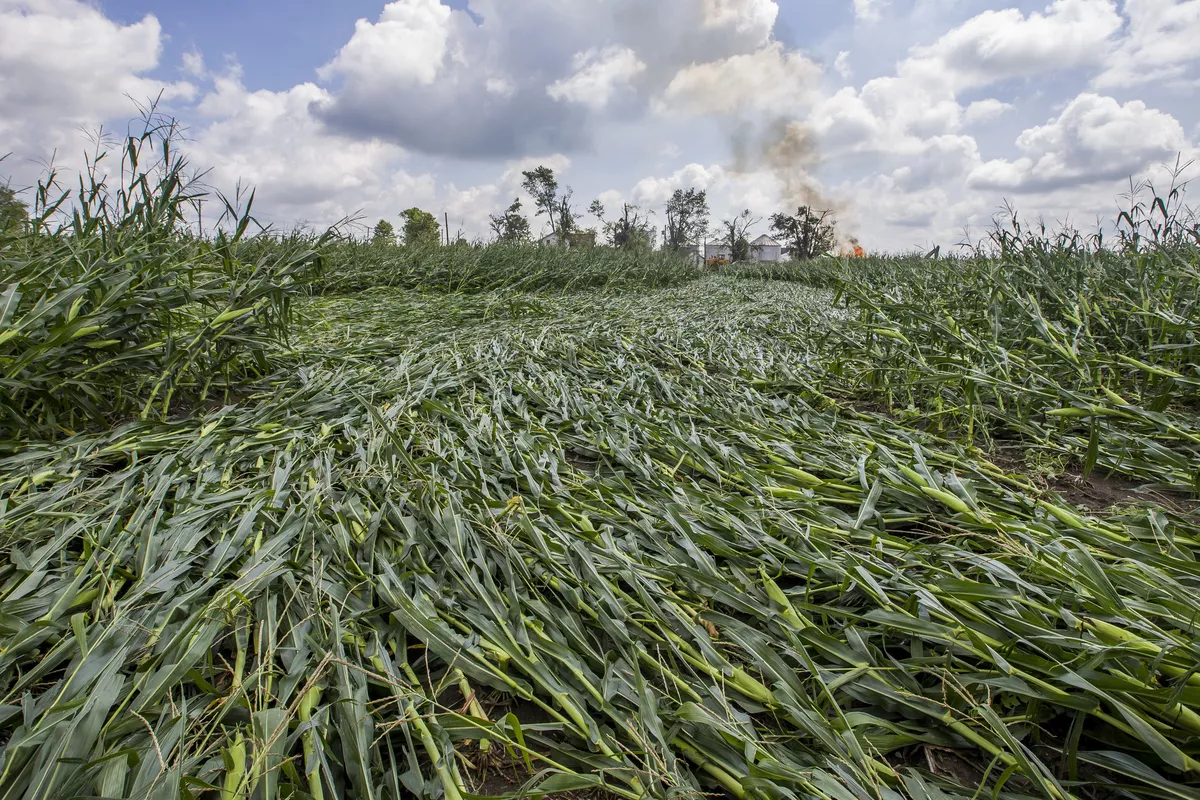
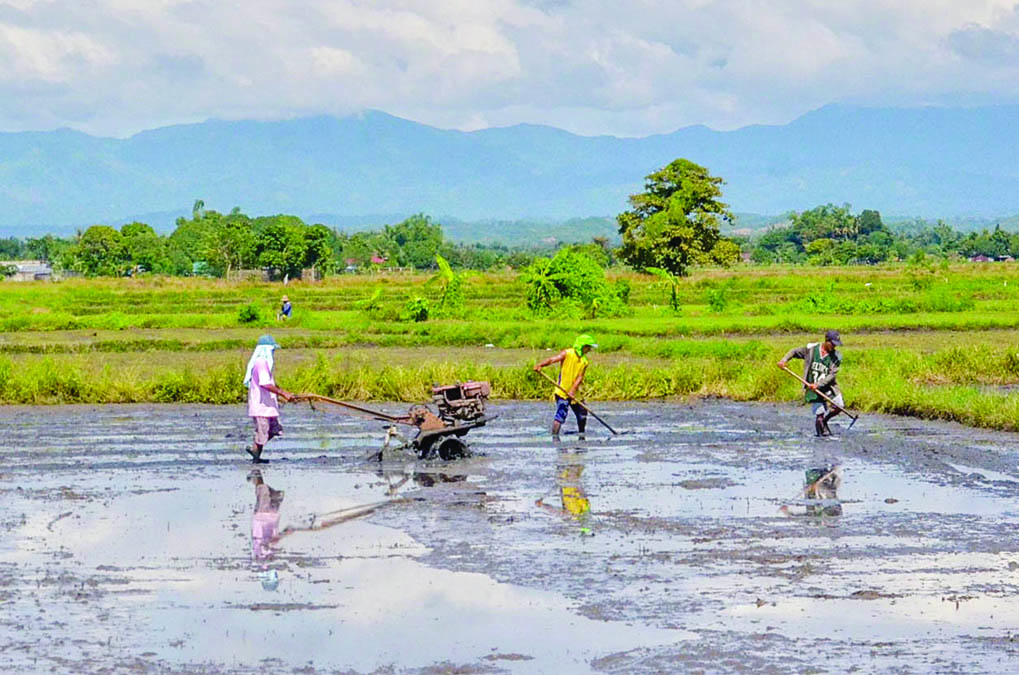
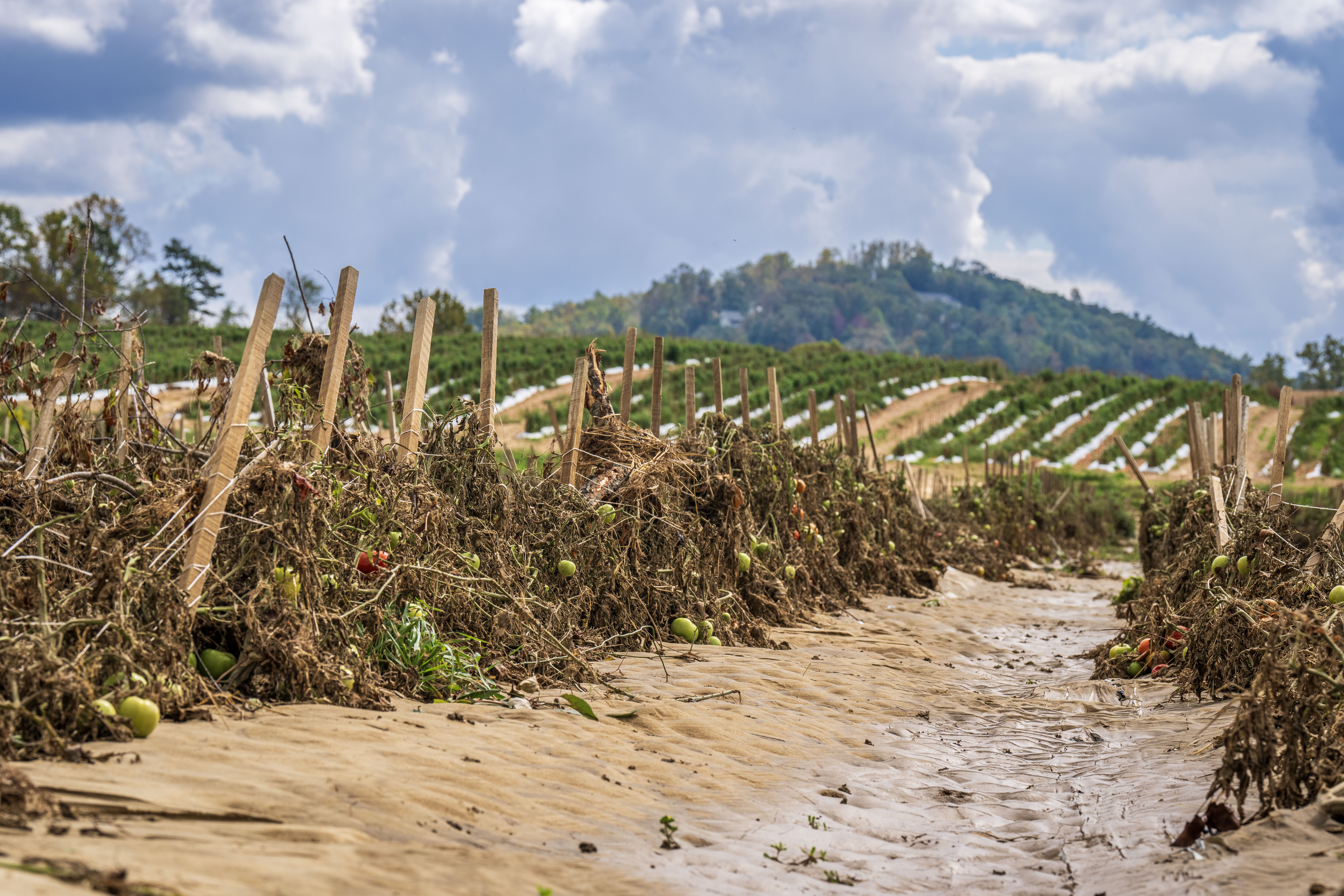
On postharvest losses in Nigeria, the report said that it could be as high as 60 per cent as a result of limited transport, storage, and processing facilities, saying that produce is often left to rot, as farmers are unable to harvest their crops within the appropriate window due to lack of access to machinery.
“Actors in the agriculture value chain are often informal and underfunded, and access to accurate and timely information is often missing. The result is that farmers end up producing crops that fall or indeed may not have a market for it,” it said.
Source - https://www.thisdaylive.com