Nigeria’s Minister of Livestock Development, Idi Maiha, said the hunger situation in the country can be mitigated through efficient deployment of livestock resources across the country.
The Minister disclosed this while delivering his presentation at the 22nd edition of the Daily Trust Dialogue in Abuja on Thursday.
The Dialogue, themed: “Food Security: Availability or Affordability,” is part of the newspaper’s contribution to stimulating discussions among Nigerians.
This year’s theme, which focused on Food Security, was targeted at specifically addressing issues of food “availability and affordability”.
According to the organisers, the forum serves as a catalyst for enhancing national integration and cohesion, essential for the sustainable socio-political growth and economic development in the country and Africa at large.
The discussions at the event were set against the backdrop of the unprecedented hunger crisis currently affecting Nigerians, which can be largely attributed to government policies initiated in recent years and months and other factors.
In his remarks, the minister said livestock resources in the country can play a significant role in the nation’s economy, food security and rural livelihoods, if properly harnessed.
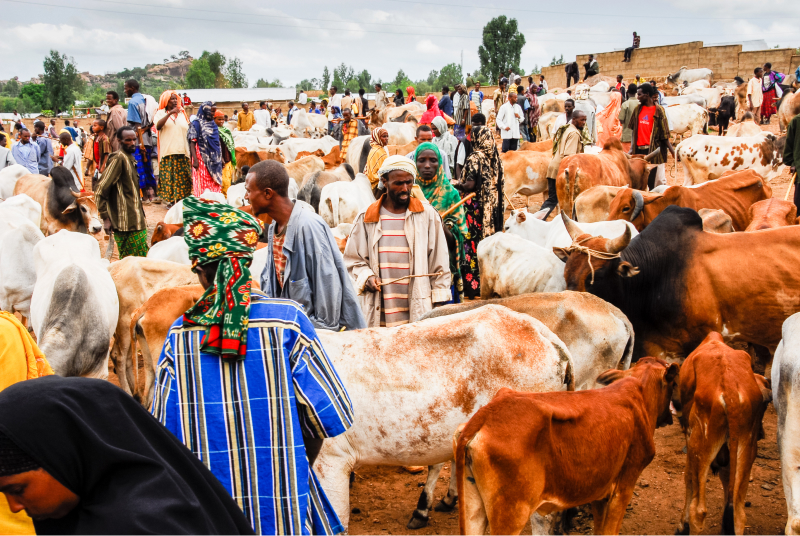
“Nigeria is richly endowed with a wide range of livestock resources,” Mr Maiha said, stating that the major livestock resources in Nigeria include cattle, goats, sheep, poultry, pigs, micro-livestock, honey bee, camels, donkeys and leather.
“These resources offer a strong foundation for Nigeria’s agricultural sector, contributing to economic diversification and employment,” he said.
He noted that despite the challenges faced in production, the livestock resources can offer great opportunities in improved breeds and veterinary services, expansion in modern livestock farming techniques and innovation and development of value-added industries like meat and dairy processing, as well as leather production.
Mr Maiha argued that making food of animal origin more affordable requires a multifaceted approach that addresses systemic inefficiencies, improves productivity, and enhances accessibility for consumers.
By addressing these areas, he said the cost of animal foods can be reduced, making them more accessible and affordable for a larger portion of the population. This, the Minister said, would in turn improve overall food security and nutritional outcomes.
He listed the strategies that can help achieve this to include improvement in livestock productivity, reduction in cost of production, expansion of value chains and market access, strengthening of livestock farmer support.
Others are: addressing policy and governance issues, leveraging technology, production of alternative animal protein resources, addressing consumer education and behaviour, mitigation of climate change and environmental challenges, and encouraging domestic production.
High cost of living in Nigeria
In recent months, Nigeria has been grappling with a severe cost-of-living crisis, triggered by President Bola Tinubu’s economic policies, including the removal of petrol subsidies and the floating of the naira. This has led to skyrocketing prices, with food inflation up 39.84 per cent in December last year.
The crisis has prompted nationwide hunger protests, with many Nigerians expressing frustration over the government’s handling of the economy. Despite measures to alleviate hardship, such as increasing the minimum wage and subsidising food items, the impact has been negligible, and food prices remain high.
The situation is dire, with many families struggling to afford basic necessities. Fatal stampedes have also occurred during relief food distributions in several parts of the country during the past festive season.
Aside from government policies, some of the root causes of the food insecurity crisis have been poor post-harvest techniques, inadequate storage and transportation facilities, and a lack of regulation in the market.
To address this crisis, agricultural experts who spoke during the dialogue on Thursday recommended urgent action, including policies to address lingering insecurity ravaging rural communities, climate change effects, stabilising food prices, and transportation and infrastructure hurdles, among others.
Source - https://www.premiumtimesng.com