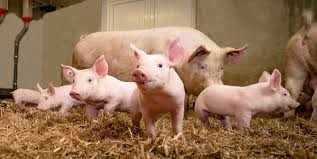
Producers can use data from precision livestock farming technology to work more efficiently and better care for their animals. But the benefits don't stop there. Veterinarians, food companies, government officials, scientists, animal welfare groups and grocery stores can also use this data. It could help them be more transparent, follow government regulations and make the swine industry more responsible and efficient. The role of PLF in enhancing transparency and efficiency is crucial, making stakeholders feel more informed and efficient in their roles.
Today, consumers want to know more about how their food is produced. The technology could help food processors and retailers show that pigs are raised ethically and sustainably. One example is blockchain technology, which allows producers to track food safety and quality from farm to store. Blockchain makes the food supply chain more dependable when combined with existing tracking systems. It could help consumers trust the production process of the pork products they buy. Retailers can use data from PLF—such as an animal's lifetime health records and production history—integrated with blockchain to enhance product labeling and provide consumers with transparent, traceable farm-to-fork information. The emphasis on public trust and data security in PLF is crucial, making stakeholders feel more secure and confident in the technology.
Technology can also play a key role in ensuring the swine industry follows animal welfare, food safety and environmental regulations. By tracking essential factors like disease outbreaks, antibiotic use and farm emissions, government agencies can make better decisions, enforce policies and quickly respond to potential risks in the food supply chain. For example, some regulatory agencies rely on manual reporting systems that provide only a snapshot of animal welfare, antibiotic use and farm emissions at a given time. In contrast, PLF offers continuous, autonomous monitoring, generating real-time data with less labor and minimal disruption to animals while covering more farms.
Scientists studying animal behavior and welfare can use PLF data to develop better ways to care for pigs. With advanced tools like machine learning and sensors, they can follow how pigs interact, eat and respond to their surroundings without disturbing them. Unlike one-time farm visits or annual inspections of a limited number of pigs, PLF provides continuous data throughout an animal's lifespan, offering a more complete and accurate understanding of welfare trends.
Veterinarians can also use PLF technology to check pig health in real-time. This early detection of diseases could help them create better treatment plans, use medications more precisely, and reduce the need for antibiotics. A more proactive approach to pig health helps the animals. It simultaneously lowers treatment costs while helping fight antibiotic resistance, a growing public health concern.
Off-farm stakeholder views on PLF in swine farming
To explore the impact of PLF, we gathered some influential industry professionals, including government officials, animal scientists, food processors and retailers, to get their insights. They discussed the most valuable data for their roles and shared concerns about adopting PLF technology.
The stakeholders valued different types of PLF data, as shown in the diagram below, reflecting their unique roles—what might be dream data for an animal welfare researcher monitoring stress levels may differ from what a food retailer needs for antibiotic tracking or what a government official requires for biosecurity enforcement. While they didn't all agree on the essential data, most acknowledged that apparent cost-sharing, ethical data use and shared benefits would encourage wider usage of PLF technology. Considering these diverse needs is critical when designing PLF systems to ensure the data serves multiple end-users effectively.
Sharing the cost of PLF
A significant challenge for PLF adoption is its cost and who should pay for it. Some believe producers will bear most of the expense, while others think retailers, consumers, or regulators should contribute. The stakeholders we talked to agreed that cost-sharing is essential—if only producers pay while others benefit, adoption will be slow. Some experts suggested that retailers could invest in PLF to assure consumers about food safety and animal welfare. Others believed that if PLF became a legal requirement, consumers would ultimately cover the cost through slightly higher pork prices.
Clarifying the benefits of PLF for the swine industry
For consumers, PLF increases transparency in food production, providing them with a clear understanding of how their food is produced. They may be more supportive if they see it leads to healthier pigs and safer meat. Some stakeholders believe that emphasizing PLF's role in food safety and sustainability could make the public more open to implementing this technology.
Challenges and concerns about PLF
While PLF has many advantages, it also raises significant concerns. Some of the stakeholders we talked to worried that it could lead to larger, more intensive farms where pigs have less space. Others feared that PLF might reduce workers' time caring for pigs, which is essential for pig welfare. If PLF is not designed with the animals in mind, conditions could worsen. Another concern is data security and ownership. If technology collects large amounts of data on producers' pigs, who owns that data, and how is it protected? Some participants suggested that producers could sell PLF data to companies in exchange for financial benefits. In contrast, others worried that regulatory agencies might use PLF data to impose new rules on producers. Standardizing PLF data collection and ensuring fair use policies will be key to its success.
Precision livestock farming technology isn't just for producers; it has implications for the entire pork industry. Swine industry experts, including regulators, retailers and consumers who took part in this study, see its potential but emphasize the need for public trust, fair cost-sharing and responsible data use. The industry must recognize and address these varied perspectives for PLF to gain wider adoption. PLF data can improve efficiency, sustainability and transparency across the supply chain, from production to retail. When used responsibly, PLF can help the swine industry balance technological innovation with ethical farming practices to meet business needs and consumer expectations.
Source - https://www.nationalhogfarmer.com