Pakistan - Floods damage crops on 4.6m acres land in Sindh

09.12.2022 767 views

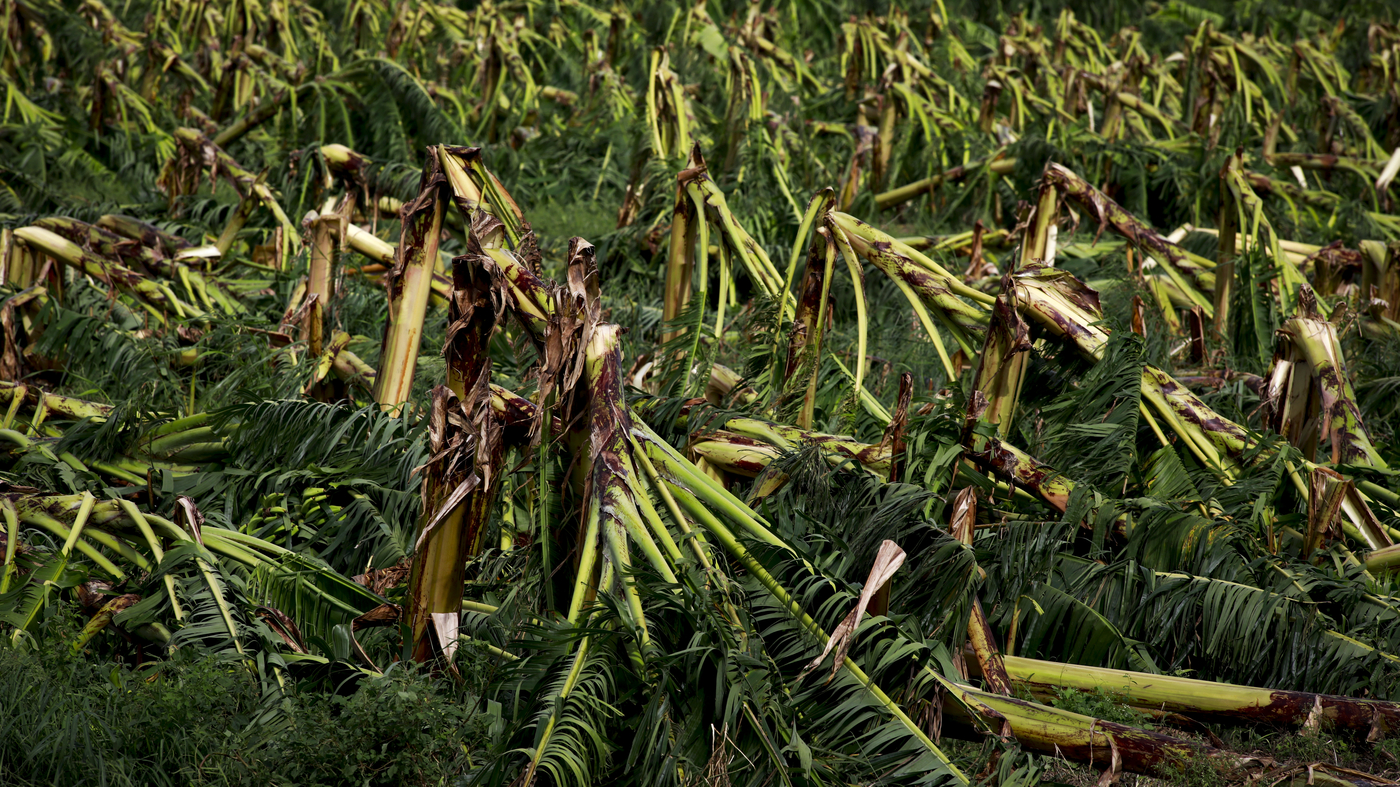
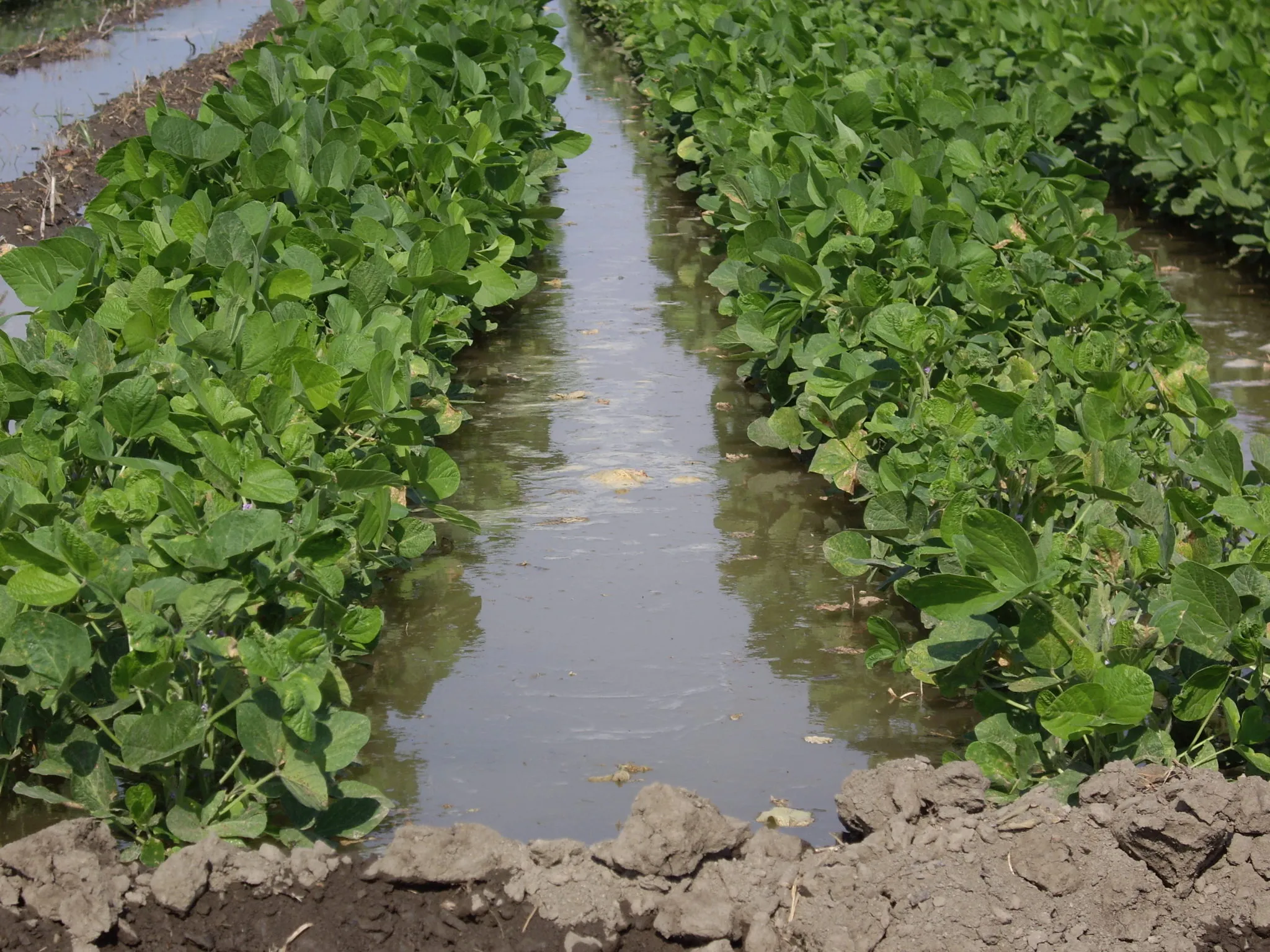
Advisor to Chief Minister Sindh on Agriculture Manzoor Hussain Wassan on Thursday said the monsoon rains and ensuing floods devastated 4.6 million acres of agricultural land in the province.

Talking to media persons at ‘Sar Sabz Kissan Convention,’ organised by Sindh Agriculture Department here, the adviser told that the calamity destroyed 100 percent of the cotton crop and 75 percent of the rice crops besides extensively damaging sugarcane, tomato, chilli and other crops. He maintained that the government was putting in all efforts to increase the wheat production in Sindh even though it was encountering many challenges. According to him, the Sindh government was trying to drain out rain and flood water in the remaining areas so that people could go back to their homes as early as possible.

Wassan informed that the Sindh government had distributed approximately 2 million tents and 3.5 million ration bags among the flood affected people. The advisor said after dewatering the flooded lands, the government was also providing awareness to the farmers about the wheat cultivation. He reiterated that the government had decided to provide Rs 5,000 per acre to the affected farmers for purchase of wheat seeds.

Wassan acknowledged that there were complaints about the sale of adulterated fertilizers and assured that the government had started to take action against such elements. Responding to a question, he said that the general elections would be held by the end of May, 2023, or in the start of June, 2023. He said Muttahida Qaumi Movement-Pakistan (MQM-P) was an ally of the government.

To another question, he said Pakistan Tehreek-e-Insaf’s (PTI’s) Chairman and former Prime Minister Imran Khan had lost the popular support. “Now he will go back to where he came from and will play cricket,” he said.

Source - https://www.nation.com.pk

05.05.2026

Climate change: challenges and opportunities for crop insurance in Canada

The pandemic we have just come out of reminded us of the importance of maintaining robust food sovereignty in our country, provinces and cities. 

05.05.2026

Azerbaijan, Uzbekistan hold talks on agro-industrial collaboration

On May 5, Minister of Agriculture Majnun Mammadov met with a delegation from Uzbekistan led by Minister of Agriculture Ibrokhim Abdurakhmonov, who attended the 19th Azerbaijan International Agricultural Exhibition (Caspian Agro Week), to discuss bilateral cooperation in the agricultural sector, Trend reports.

05.05.2026

Philippines - P6.69-million crop damage logged in Albay due to Mayon unrest

Damage to crops from Mayon Volcano’s unrest has reached P6.69 million, with ashfall affecting several farmers in Albay, authorities said Tuesday.

05.05.2026

Cyprus - Farmers in Karpasia seek compensation for crop damage caused by wild donkeys

Losses reported in Rizokarpaso and nearby villages as donkey population grows and destroys farmland.

05.05.2026

USA - USDA Risk Management Agency Upgrades Rainfall Data Source

The U.S. Department of Agriculture’s (USDA) Risk Management Agency (RMA) is upgrading the source for rainfall data used in several Federal crop insurance programs, moving from the National Oceanic and Atmospheric Administration’s Climate Prediction Center (CPC) to the National Centers for Environmental Information (NCEI). 

05.05.2026

Asparagus losses in Norfolk County, Canada reach 98 percent after frost

Frost events in Canada recently caused crop damage in Norfolk County, with asparagus production heavily affected. At Dalton White Farms, losses reached up to 98 per cent of the field.

04.05.2026

Bulgaria's Kyustendil cherry crop severely affected by frost for second consecutive year

Frosts have caused critical damage to cherry orchards in the Kyustendil region of Bulgaria for the second consecutive spring, with producers reporting near-total crop losses. 

04.05.2026

Vietnam - MoF moves to expand farm insurance support and eligibility

The Ministry of Finance has proposed sharply increasing agricultural insurance premium subsidies to up to 95 per cent and widening the pool of eligible beneficiaries to better share risks with producers, stabilise farm incomes, and strengthen climate resilience.