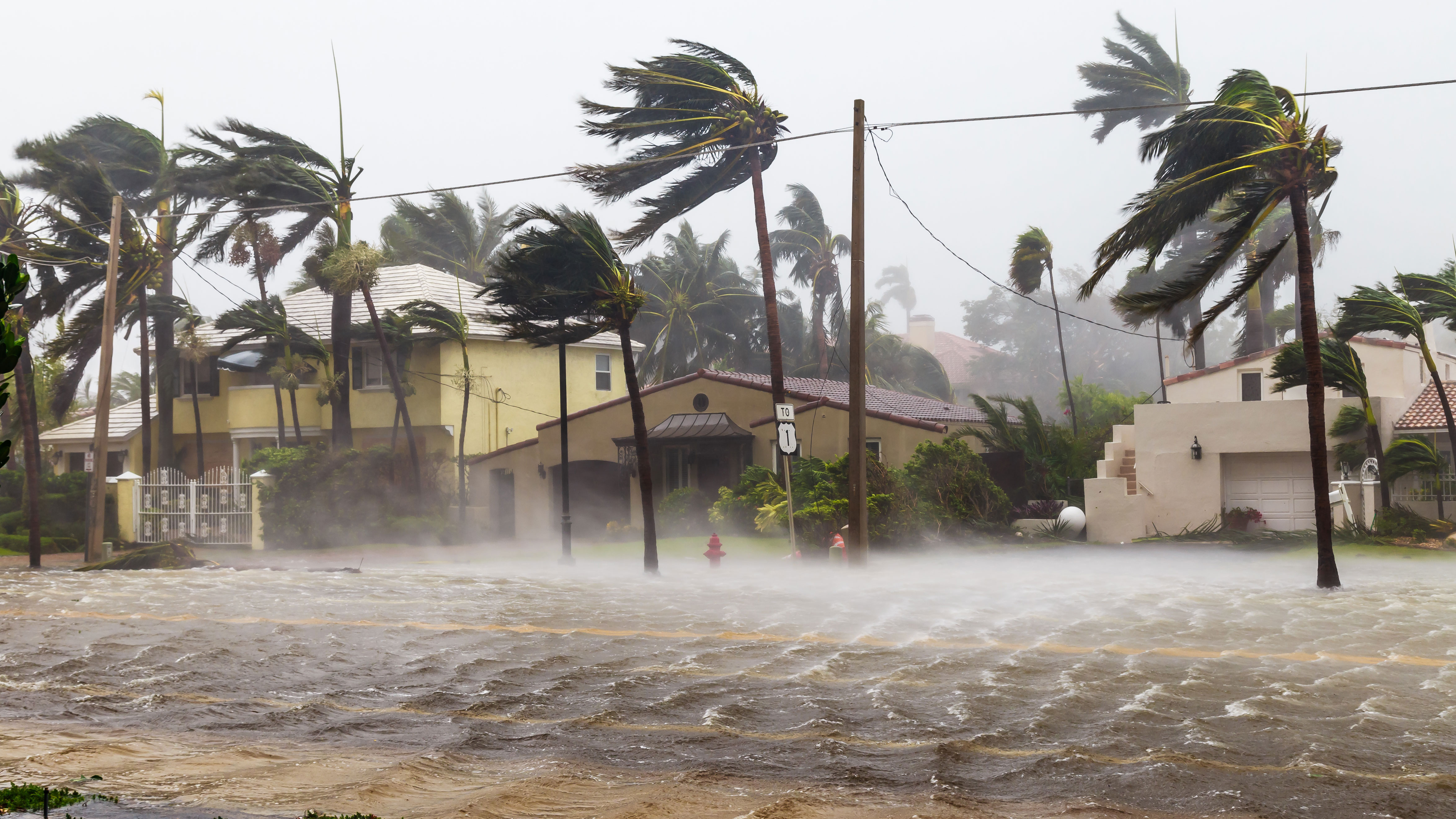
Amid one of the most cataclysmic floods in the history of Pakistan, the country's most crucial challenges include the impacts of climate change, writes Arshia Malik, a columnist and an educationist in South-South Research Initiative (SSRI). The most crucial challenges for Pakistan include the impacts of climate change - floods, heat waves, drought, crop losses and diseases - whose frequency has increased rapidly over the past couple of decades.
Pakistan has serious environmental issues and the World Bank report in 2013 expressed serious concerns, stating that Pakistan's top environmental problems include air pollution, inadequate supply of potable water, noise pollution and the health deterioration of urban and rural populations due to pollution, reported SSRI. These environmental concerns not only harm Pakistani citizens but also seriously threaten the country's economy, said Malik.
In 1997, the government of Pakistan enacted the 'Pakistan Environmental Protection' Act to safeguard, conserve, rehabilitate and improve the environment of the country through sustainable development measures, such as pollution control. But have Pakistan been able to steer towards a sustainable and green economy in the 21st century? questioned Malik.
The Environmental Performance Index (EPI) is an International ranking body that ranks countries on their environmental health and sustainability. It was started in 2002 by World Economic Forum and ranks 180 countries on climate change performance, environmental health, and ecosystem vitality.
These indicators provide a gauge at a national scale of how close those countries are progressing to achieving established environmental policy targets. Experts on Pakistan's environmental concerns say that degradation of natural resources, soil erosion, deforestation, unbridled and unplanned urbanization and contamination of groundwater resources are some of the significant and serious issues that need immediate attention from the government of Pakistan and addressing them, reported SSRI.
The country is facing acute water scarcity, with experts saying the country could run out of water by 2040 if the concerned authorities don't take long-term measures to deal with the issues. Researchers predict that Pakistan is on its way to becoming the most water-stressed country in the region. Also, Although, the government has launched multiple tree plantation drives in Pakistan over the past few years to overcome this problem, for example, the 'One Billion Trees' initiative undertaken by the province of Khyber Pakhtunkhwa is also a noteworthy achievement to address this all-important shortcoming.
Similarly, the 'Karachi Cleanliness Drive', is another glaring example of how Pakistan should take tangible steps to deal with its environmental issues, reported Malik. Noise pollution is another serious threat the environmental conservation efforts are battling with. Pressure horns and factories cause noise pollution. Noise pollution can lead to psychological complications, thus disrupting social relationships.
Again, the issue is with non-implementation and compliance with the laws of the country. All provincial and federal governments in Pakistan have banned the use of plastic bags, but citizens do not seem to adhere to the laws. The release of toxic gases from factories, brick kilns and carbon emissions from transport vehicles are the prime causes of air pollution. Another important environmental issue that threatens Pakistan is waste management. The country's factories and hospitals dispose thousands of tons of their waste into the oceans, lakes and rivers, which are life-threatening for aquatic and human life who are dependent on these water resources.
Similarly, lack of proper mechanisms, allocated landfill sites and negligence by local municipal corporations and the public are the main cause of waste dumped openly on roads and streets of Pakistan, reported SSRI. Pakistan needs a green economic model. It should scrap all big hydropower and coal-power projects and switch to renewable energy sources such as wind and solar power, which are viable for developing countries in the long run.
Source - https://www.devdiscourse.com