Peru - Climate change poses a direct threat to the blueberry industry

28.11.2023 691 views

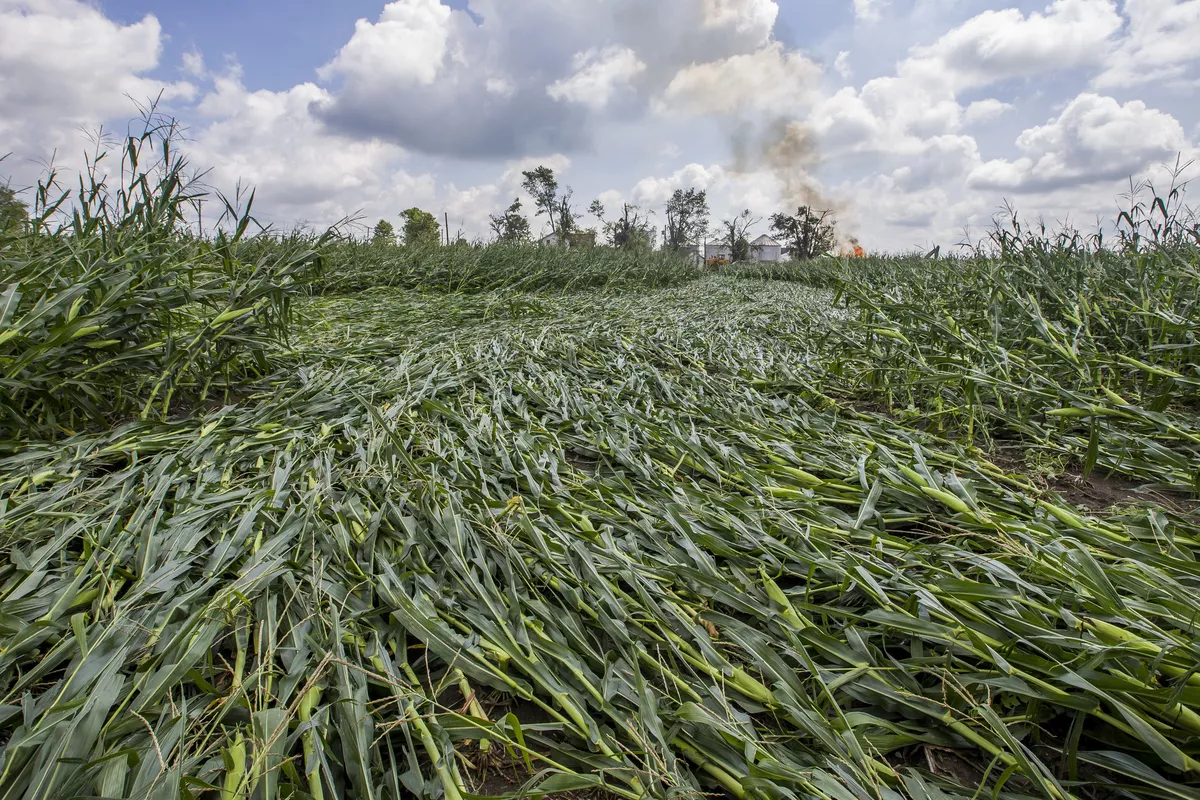
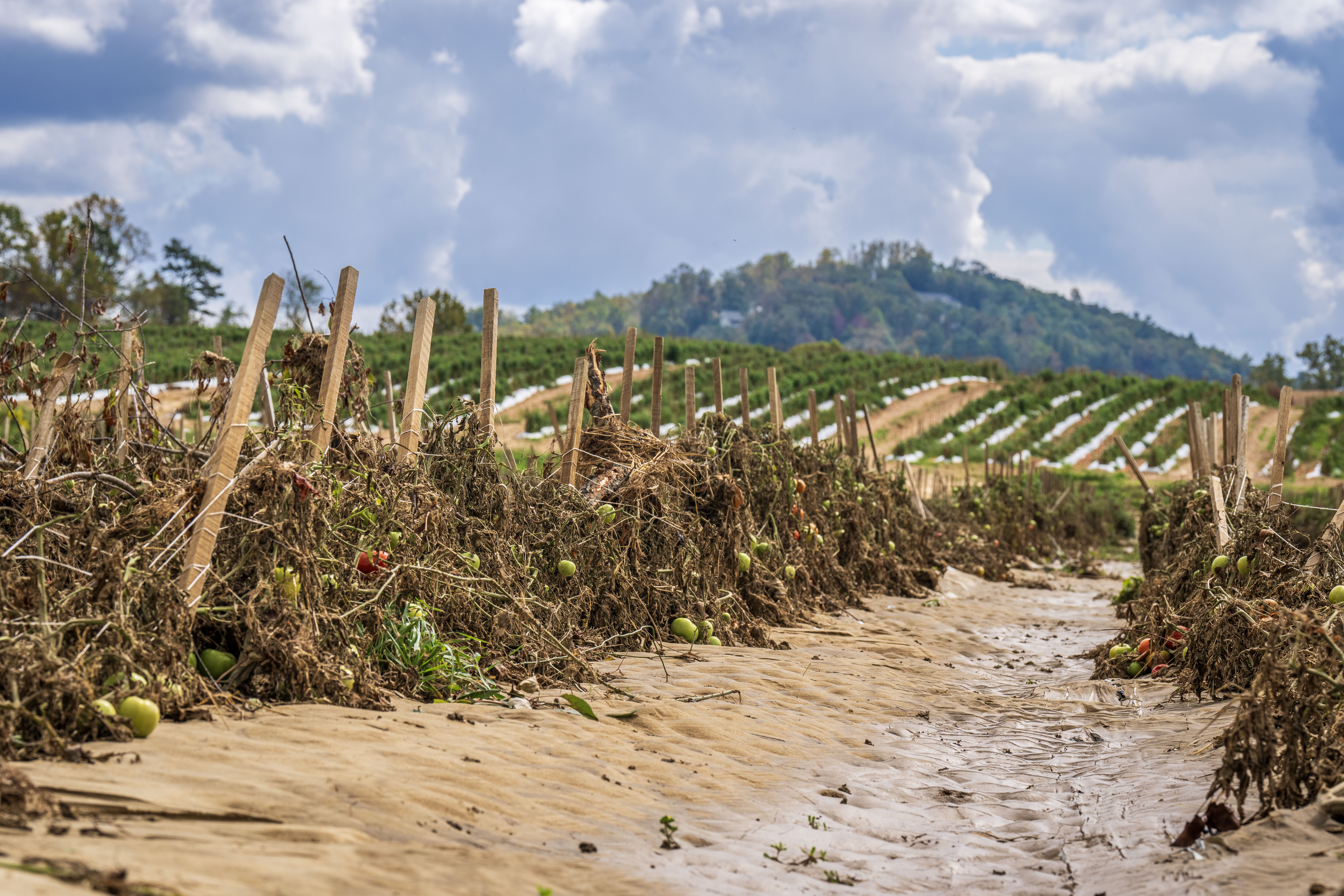
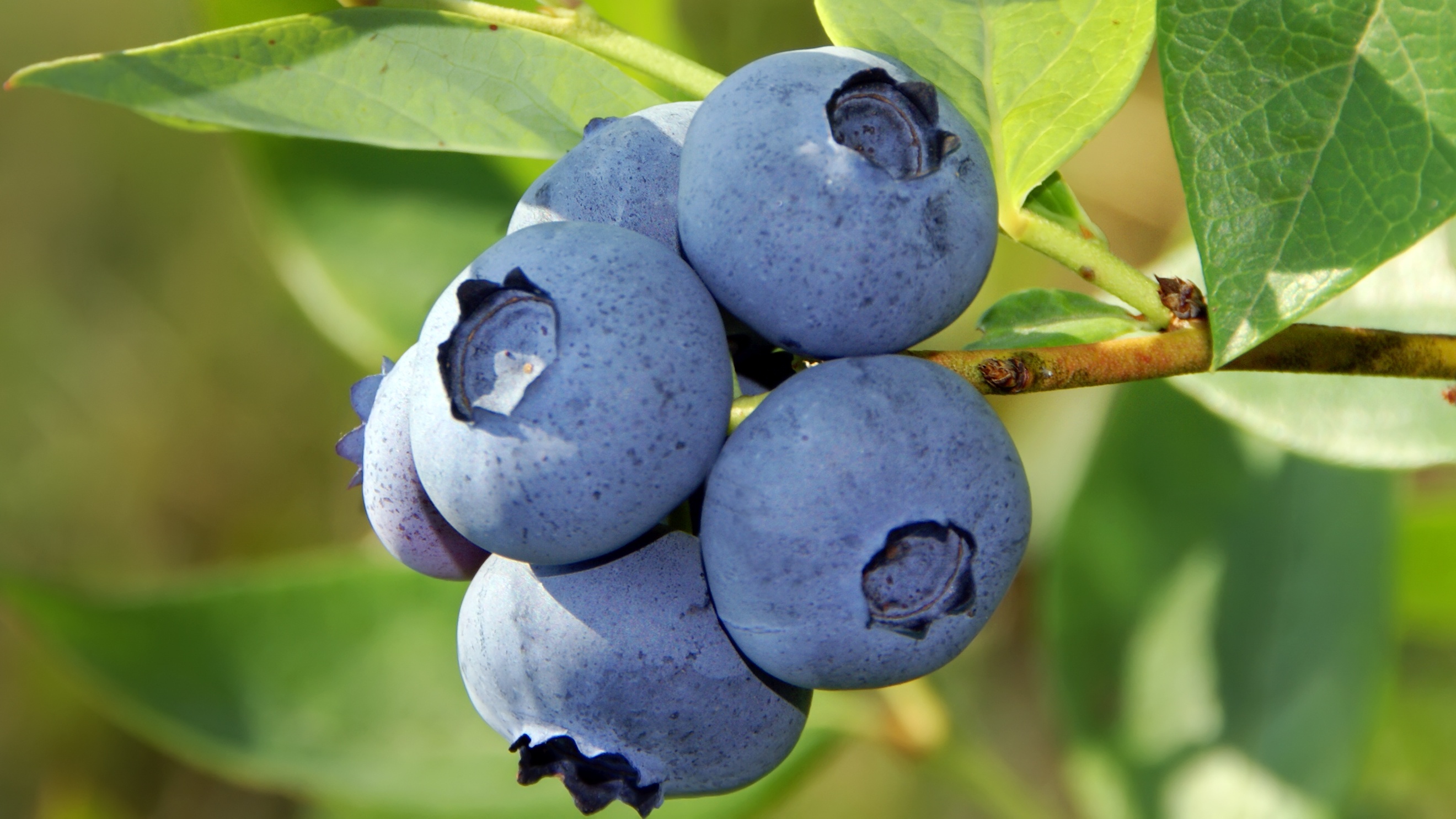
Climate change poses a direct threat to the Peruvian blueberry industry and other countries' fruit markets globally. The industry has experienced adverse meteorological effects, leading to crop destruction, slowed production processes, and reduced yields. Intense rains, hail, and high radiation rates have impacted plants, resulting in insufficient fruit in markets and affecting consumer demand.

The fruit industry is particularly vulnerable to climate change and global warming due to its reliance on the interaction of plants, soil, and climate. Additionally, the need for labor adds a social factor to the industry. Adapting to or mitigating these environmental effects is an urgent challenge.

Recent heat waves have significantly impacted Peru's blueberry season, delaying fruit production by affecting plant photosynthesis. Now, ongoing threats come from forecasted heavy rains, with the Multisectoral Commission of the National Study of the El Niño Phenomenon projecting the meteorological event to persist until at least the fall of 2024. The main blueberry-producing regions, located in the coastal and northern regions of the Peruvian highlands, are at risk.

Authorities anticipate warm air temperatures from November 2023 to February 2024, leading to intense rains on the north coast, central coast, and northern mountains. This poses a threat of floods and landslides, particularly in vulnerable regions such as Tumbes, Piura, La Libertad, Áncash, Lambayeque, Cajamarca, Huánuco, San Martín, Amazonas, Ica, and Loreto. These regions account for nearly 95% of blueberry crops and virtually all export production.

To address these challenges, the Minister of Agrarian Development and Irrigation of Peru, Jennifer Contreras, emphasized the government's commitment to preventive measures. Work is underway at 316 critical points from Tumbes to Ica, involving the clearing and cleaning of rivers and drains through the National Water Authority (ANA). The government aims to protect the lives, assets, and crops of the population from the anticipated rains and associated risks.

Source - https://www.freshplaza.com

02.09.2026

Philippines - Bayambang declares state of calamity over P31-M agricultural losses

The municipal council of Bayambang has placed the town under a state of calamity after Tropical Storms “Luis” and “Maymay” and the enhanced southwest monsoon, or habagat, caused more than P31 million in agricultural losses.

02.09.2026

USA - Lynndyl farmers assess crop losses after 100 mph winds and hail

Farmers in and around Lynndyl are beginning to assess severe losses after a powerful weekend storm ripped through fields with destructive winds and hail just as some crops were nearing harvest.

02.09.2026

USA - New Insurance for Breeding Heifers

New LRP Coverage Aims to Reduce the Risk of Retaining Heifers for Breeding.

02.09.2026

Corn's $6 Surprise Could Change the Profit Math for U.S. Farmers

Corn may already be worth more than the board suggests as farm payments and incentives add about 52¢ per bushel to producer revenue.

02.09.2026

Philippines - Iloilo turns over P10M for farm, fishery insurance

The Iloilo provincial government has turned over P10 million to the state-owned Philippine Crop Insurance Corp. (PCIC) to expand insurance protection for farmers and fisherfolk vulnerable to losses from El Niño, La Niña, typhoons, pest infestations and other calamities.

02.09.2026

India - AP sees 1,263% rise in non-loanee crop insurance

The State witnessed a remarkable 1,263% jump in non-loanee farmer registrations, with their participation rising from 2 lakh in the previous Kharif season to 25.26 lakh farmers this year.

01.09.2026

South Africa - Grain SA calls for affordable crop insurance as dry weather threatens Swartland wheat

Severe rainfall shortages threatening the Swartland wheat crop have highlighted the need for government support to make crop insurance affordable for dryland producers.

01.09.2026

USA - Florida farms face nation’s highest disaster loss rate

Natural disasters destroy billions of dollars in U.S. agricultural production each year. From drought and wildfires in the West to hail in the Midwest and hurricanes in the Southeast, farms lose an average of $5.1 billion in crops and livestock annually, according to the Federal Emergency Management Agency.