Last season’s (2023) agricultural campaign posed significant challenges for blueberry and avocado crops in northern Peru due to adverse weather conditions. As the 2024 season beckons Lizzeth Miranda, a Peruvian Agroindustrial Engineer says: “The lessons were learned last season that agricultural technical management, including harvest intervals, a successful cold chain control, and the use of post-harvest technologies, proved crucial in mitigating these impacts.”
Miranda who is based in Trujillo, Peru, holds a Master in Agribusiness with a specialization in Process and Quality Management Systems, Food Technology, and Agroexports. She has 12 years of experience in Quality Assurance and Management in the Industrial and Agroindustrial sector (Fresh and Frozen Fruits).
“Over the past five years I worked as Quality Assurance and Food Safety Manager in Danper and my recent experience was in Camposol. In the same way, I do consulting and have teaching experience.”
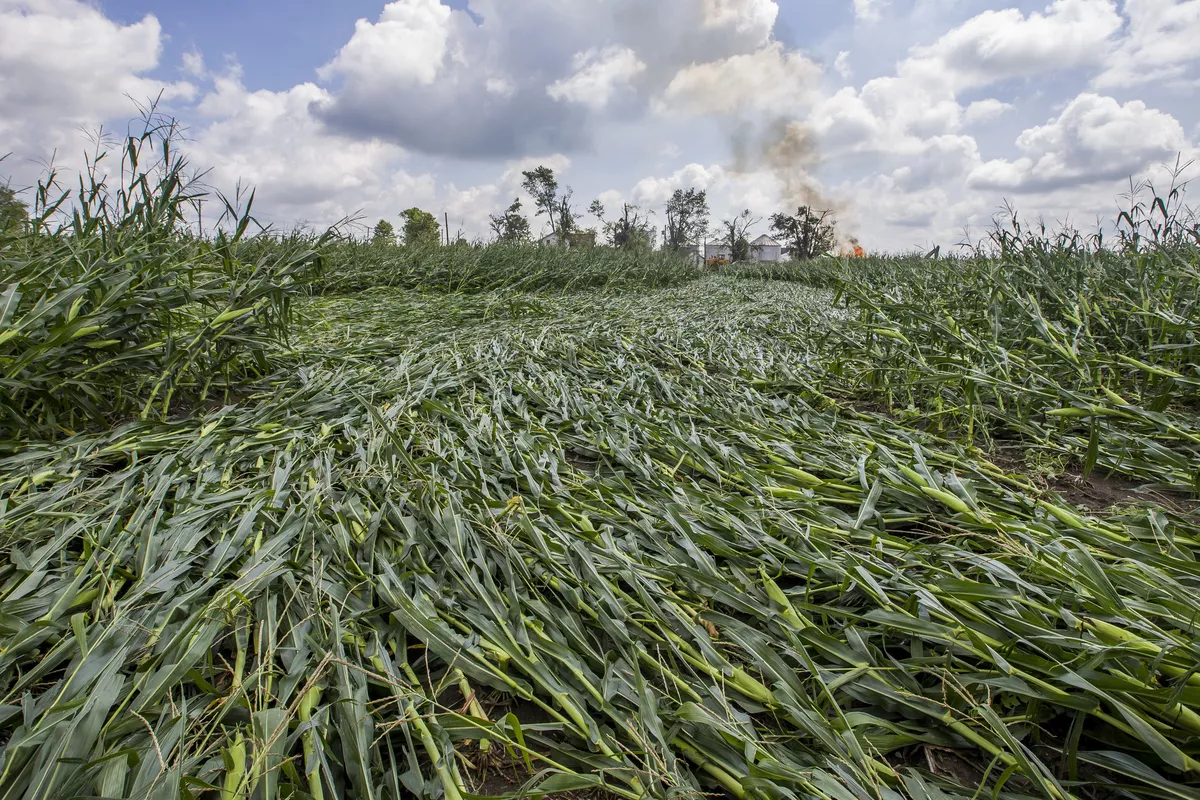
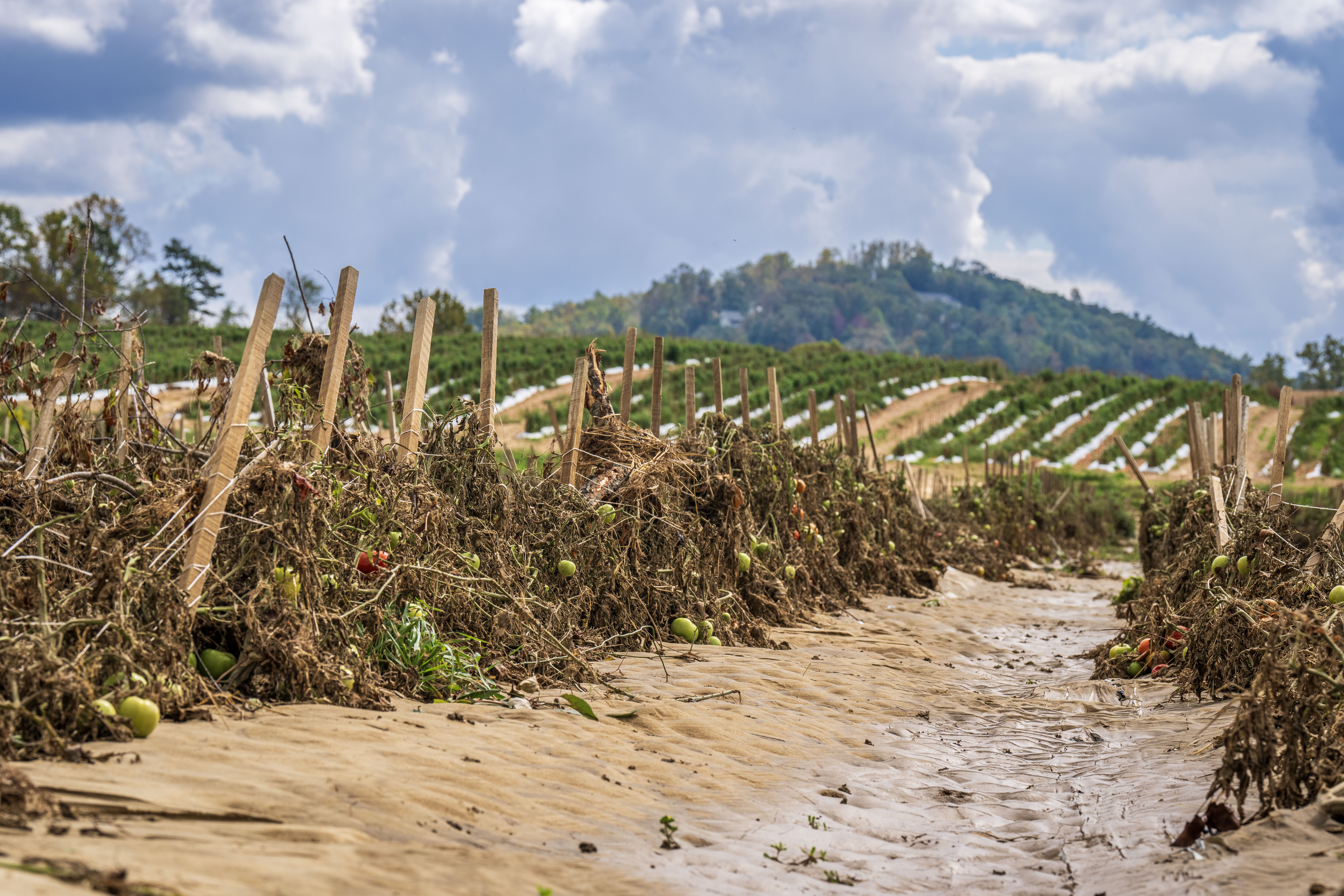
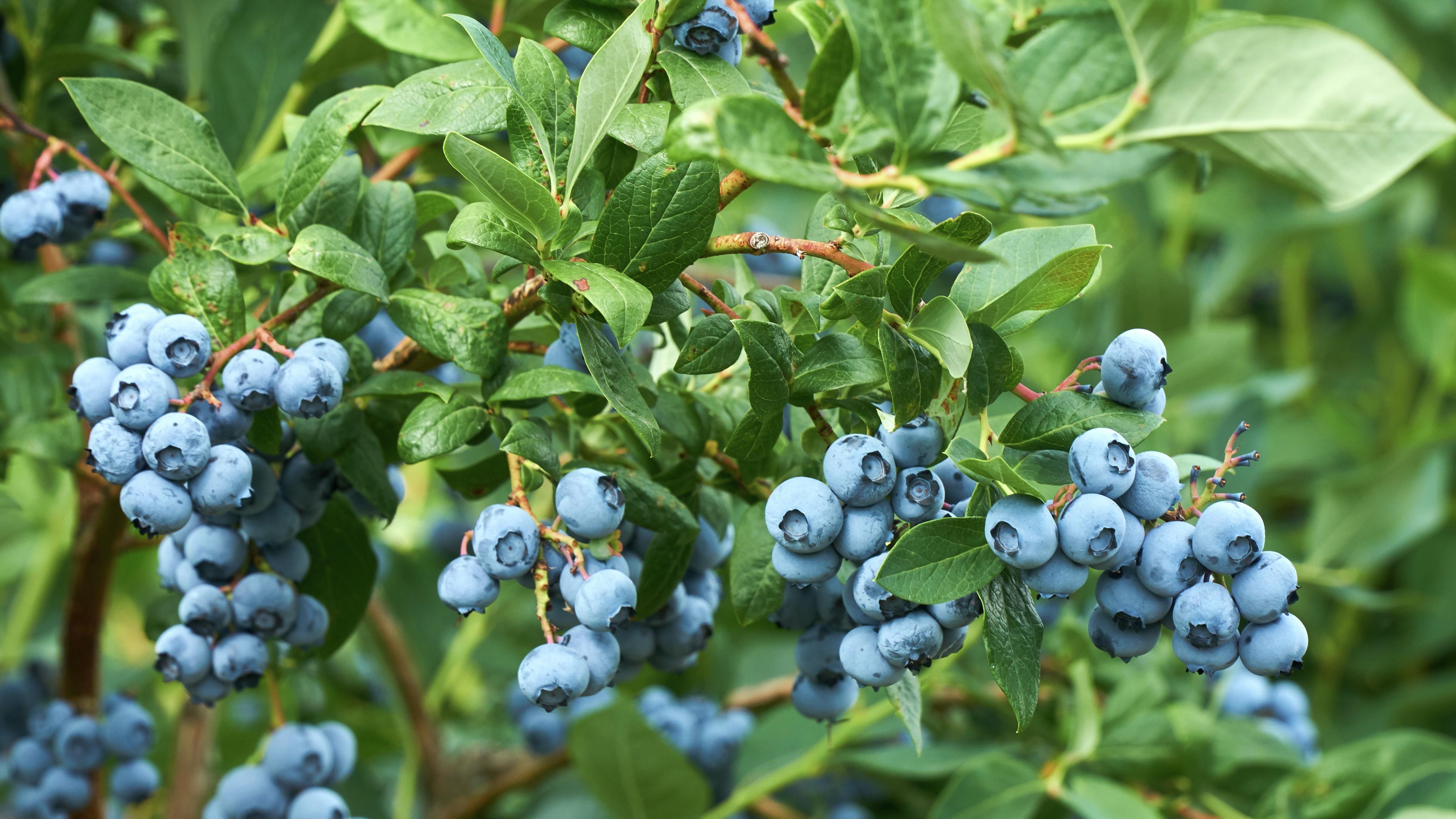
She says cyclone Yaku in March 2023 and high temperatures throughout the year adversely affected yields, as well as the quality and condition of the fruit. “In the case of blueberries, the most representative varieties in Perú like Biloxi and Ventura varieties experienced reduced sizes, a higher bloom deficit limiting exports to China, and a shorter maturation cycle resulting in increased defects such as dehydrated and sensitive fruit. Similarly, in avocado cultivation, expectations of good yields and large sizes in northern Peru were met with challenges. High temperatures strongly impacted the physiological processes, resulting in a stagnation in dry matter content and heterogeneity in the lots, as well as increased fruit drop. Post-harvest processes were also affected by a reduced shelf life, exacerbated by elevated levels of rain that led to the detection of anthracnose in some locations, resulting in increased scrutiny upon arrival and segregation of fruit in destination warehouses.”
These adverse weather events underscore the importance of adaptability and resilience in agricultural practices states Miranda. “There is a pressing need to continue monitoring and adjusting strategies to mitigate future impacts on blueberry and avocado production in the region due to imminent climate change. In terms of food safety, maintaining and rigorously applying good agricultural and manufacturing practices is crucial. This approach is vital to ensure food safety throughout the entire production chain, particularly during harvest where the risk of contamination with pathogens can be significant. Additionally, it is imperative to ensure compliance with market requirements, especially in a context where the need for increased pesticide use is evident to meet market phytosanitary restrictions. Striking a balance between the effectiveness of crop protection and safeguarding consumer health underscores the importance of sustainable and responsible agricultural practices, aligning with current industry demands.”
Currently, most forecasts from specialists indicate that the El Niño phenomenon would affect the first quarter of this year. “In northern Peru, for avocado, this corresponds to a critical stage where plant stress can lead to physiological disorders affecting the quality and condition of the fruit, similar to the previous season. Therefore, strategies with a comprehensive and preventive approach must be implemented to mitigate the effects of plant abiotic stress, maximizing root development and maintaining an active leaf surface. The knowledge field technician teams gained from the previous season for example using biostimulants should lead to significantly lesser effects,” advises Miranda.
Source - https://www.freshplaza.com