Private insurers are set to take on more farm risk.
The Philippine Crop Insurance Corporation’s (PCIC) claims allocation rose more than fivefold over the course of August as successive storms hit farming regions, offering a fresh illustration of the accumulation risk the country is preparing to share with private insurers.
On August 14, PCIC was preparing about PHP36 million for 5,005 farmers whose insured farms were damaged by tropical cyclones Luis and Maymay and the southwest monsoon between August 1 and August 11, based on an initial Department of Agriculture assessment.
By September 6, after another cyclone and further monsoon damage were added to the assessment period, the allocation had climbed to PHP187 million for 24,987 farmers covering losses through August 26.
The two assessments do not cover the same pool of losses, as the later tally includes an additional 15 days, another tropical cyclone and two more regions. However, the progression shows how quickly agricultural insurance exposure can build when severe weather events cluster within the same period.
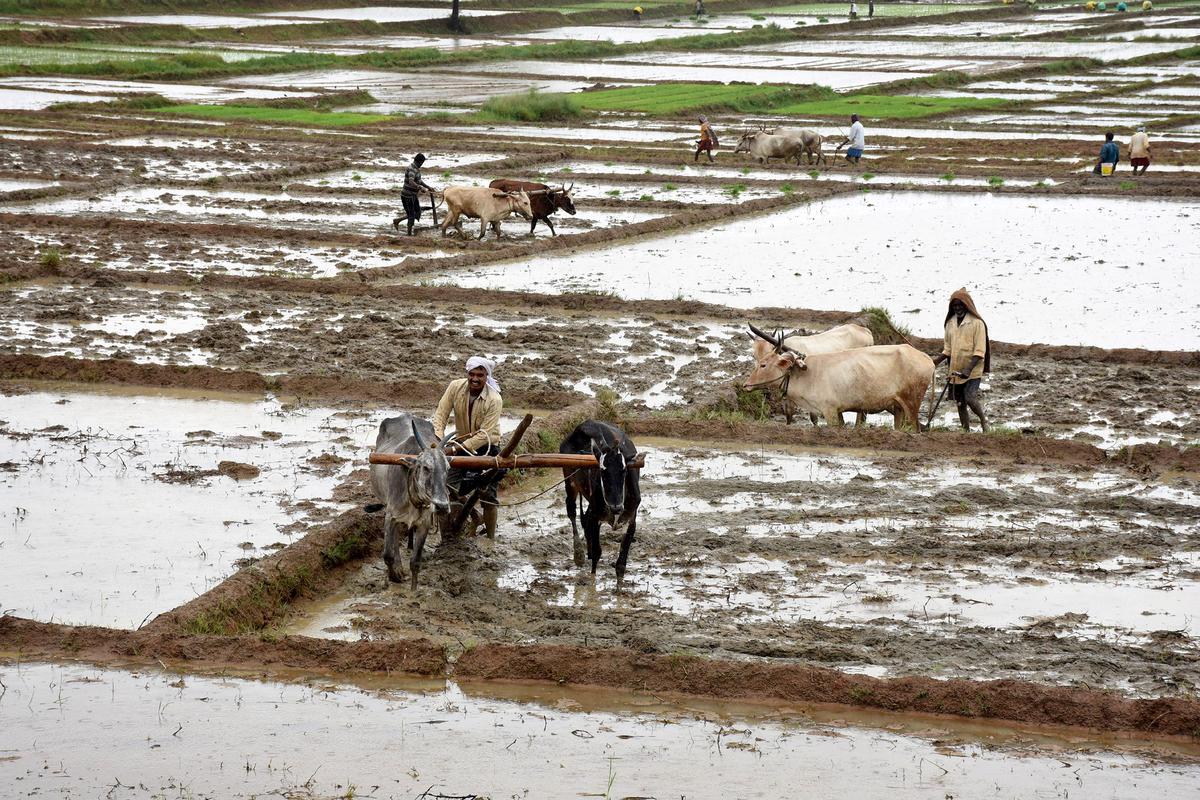
Rice dominates the latest claims picture. PCIC has earmarked PHP132.9 million for rice farmers, equivalent to about 71% of the total allocation. High-value crop claims reached PHP42.1 million, while corn accounted for PHP9.3 million, according to the latest government assessment.
Central Luzon has the largest number of beneficiaries, at 9,636, followed by the Ilocos Region with 3,874.
“We have issued strict instructions to our regional staff to continue extending their assistance to the affected farmers and speed up the processing of their damage claims,” PCIC president Jovy Bernabe said.
The insured claims form only part of the damage caused by the August weather events. Total agricultural losses reached PHP4.13 billion as of September 6, affecting 97,589 farmers and fisherfolk and around 81,383 hectares.
Rice suffered PHP2.04 billion in damage, followed by PHP1.37 billion for high-value crops, PHP412.84 million for fisheries and aquatic resources, and PHP125.07 million for corn.
The PHP187 million insurance allocation should not be treated as a direct recovery rate against the PHP4.13 billion economic loss. PCIC’s figure covers claims from insured farmers, while the wider damage estimate includes losses across the agricultural sector, much of which remains uninsured.
While the country’s agricultural insurance protection gap is well established, the August claims also highlight the challenge of managing accumulation within the insured portfolio itself.
PCIC has historically carried most agricultural insurance exposure in the Philippines. A World Bank review has also highlighted the limited reinsurance available under the existing model, leaving the state insurer more exposed when catastrophe losses accumulate.
That structure is now beginning to change. Under a World Bank-backed co-insurance plan, US$70 million has been allocated to support a pool in which PCIC and private insurers would offer standardized products and share operating costs and insurance risks.
The planned structure includes a first-loss facility intended to absorb early claims while participating insurers build agricultural underwriting experience, alongside a common reinsurance program to spread catastrophe exposure.
The August sequence provides a timely example of why those mechanisms matter. PCIC’s allocation moved from about PHP36 million to PHP187 million as the loss window widened and a third cyclone was added, with rice alone accounting for more than two-thirds of the latest claims provision.
Private-sector participation has been under development for several years. The Insurance Commission established an agricultural insurance regulatory sandbox in 2021, while House Bill 10365, which seeks to expand PCIC services and encourage greater private-sector participation, was approved by the House on August 12.
A planned agricultural co-insurance pool is intended to address some of the barriers that have kept commercial insurers from taking on more farm exposure, including catastrophe concentration, limited underwriting experience and distribution challenges.
The latest claims data puts those risks into practical terms. The PHP187 million allocation is modest relative to the country’s broader catastrophe exposures, but its rapid buildup over several weeks shows why agricultural insurance risk cannot be assessed one storm at a time.
Source - https://www.insurancebusinessmag.com