Proposed subsidy cuts threaten coverage for millions of farmers.
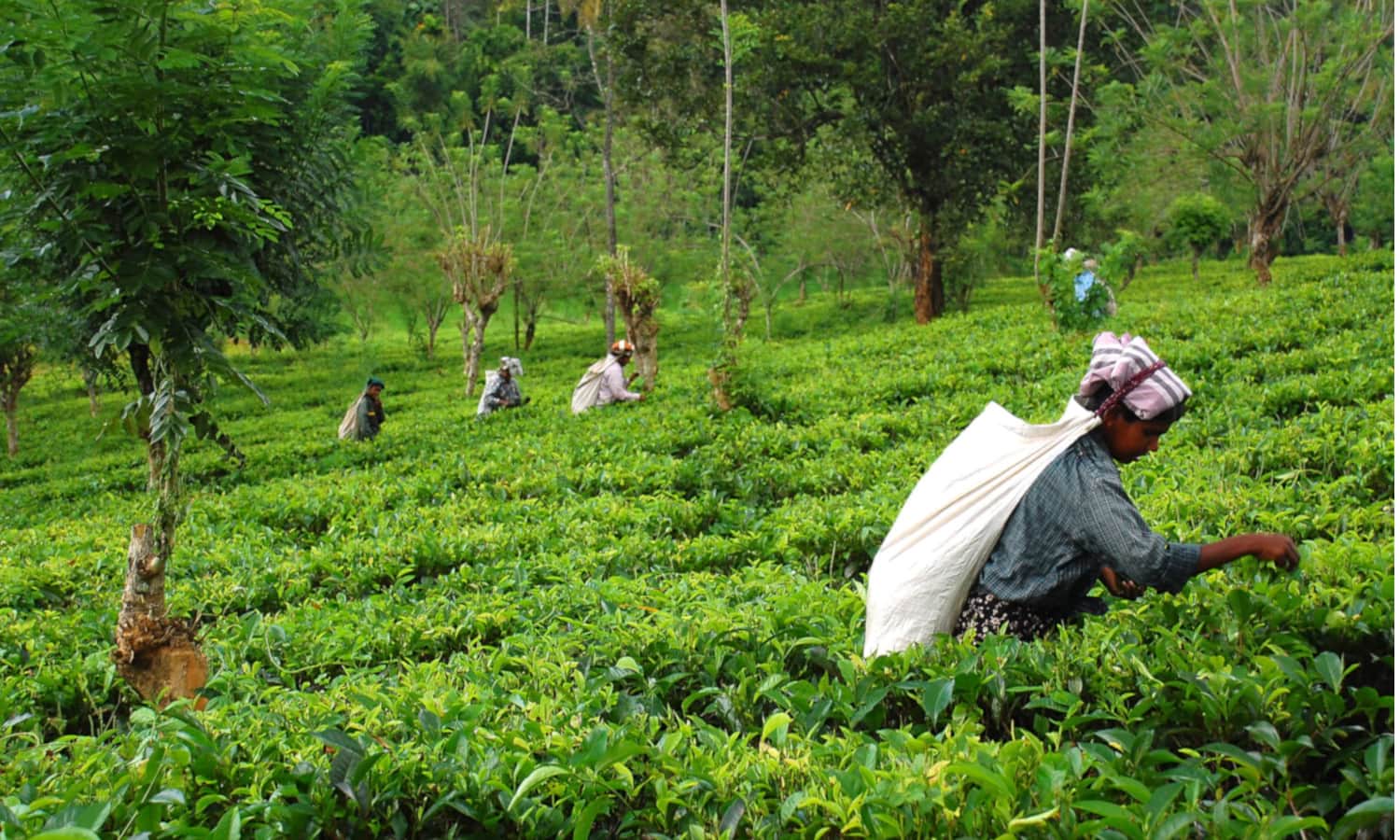
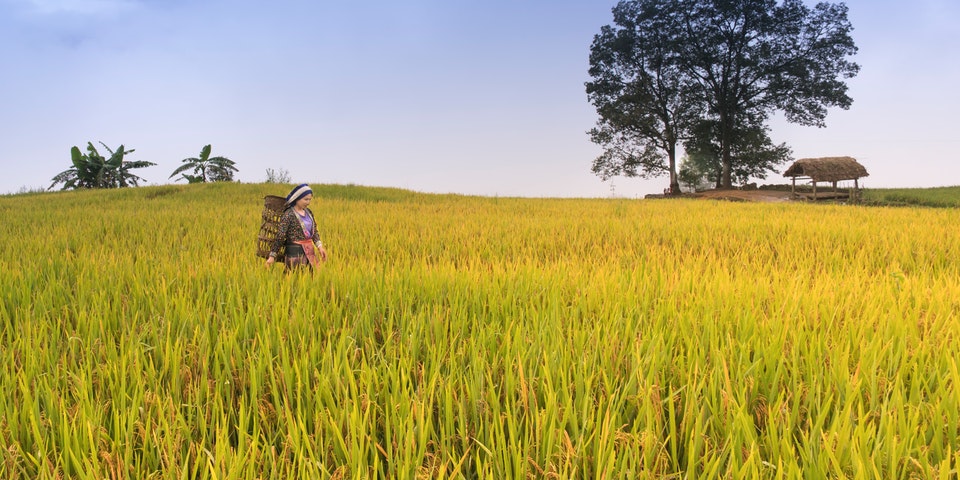
Cris Marzan, a 79-year-old rice farmer in Nueva Ecija province in the northern Philippines, expected to harvest 50 to 60 sacks of unhusked rice before monsoon rains, bacterial leaf blight, and rats damaged more than half a hectare of his field.
“Few farmers get insured because the government hardly looks after us,” he told Insurance Asia by telephone. “Those who do just take a chance.”
Marzan had insured his crop with the Philippine Crop Insurance Corporation (PCIC), but the heat prevented him from accompanying an assessor during the inspection. He did not know how much compensation he would get.
PCIC has allotted $3m (P187m) for 24,987 farmers affected by three typhoons and the enhanced southwest monsoon in August. Rice farmers account for $2.1m (P132.9m), whilst Central Luzon has the most beneficiaries at 9,636.
The Department of Agriculture estimated crop damage at $65.6m (P4.13b) as of 6 September.
Arvin Jasper Adan, acting department manager of PCIC's actuarial research and product valuation department, said about 7,800 of Nueva Ecija's 29,000 insured farmers were expected to receive payouts.
Only 30% to 35% of farmers listed in the government's agricultural registry receive crop insurance annually, he told Insurance Asia via Zoom.
Adan said lack of awareness is the main obstacle because insurance is free for registered farmers. Farmers must apply to PCIC for coverage every cropping season, whilst the Agriculture department continues updating its registry.
PCIC also faces staffing constraints. Adan said the agency has about 2,000 workers, fewer than 250 of whom hold regular positions. It relies on local governments and agricultural extension workers to support enrolment and damage assessments.
Farmers can report losses through text messages or emails before assessors inspect their fields. Assessments may proceed without farmers present if neighbours can provide information.
Munich Re estimated natural disaster losses across the Asia-Pacific region at $8.7b in the first half, with just over $1b insured.
“Affordability and awareness are central to the gap,” Vidya Rajan, Munich Re's senior client manager for the Philippines and Vietnam, said in an emailed reply to questions.
She said insurance that automatically pays when rainfall or other measurable conditions reach predetermined levels could accelerate compensation without lengthy field inspections.
Benedikt Signer, CEO at Southeast Asia Disaster Risk Insurance Facility (SEADRIF), warned that such arrangements could fail to compensate farmers whose actual losses do not match the payment triggers.
He favoured insurance bought by cooperatives or local governments, which would distribute compensation amongst affected members.
SEADRIF is helping CLIMBS Life and General Insurance Cooperative develop weather-based insurance, whilst PCIC is testing similar protection for fisherfolk with Rare Philippines.
Shannen Chua, implementation lead at SEADRIF Insurance Company, said its agricultural insurance programme is also in preliminary discussions with PCIC and the Agriculture department.
Funding remains another concern.
PCIC received a record $103.2m (P6.5b) subsidy in 2026, enough to insure about 2.7 million farmers, Adan said. The proposed 2027 national budget will cut that allocation to $71.4m (P4.5b).
Adan said PCIC would seek to restore funding to its 2026 level to maintain coverage.
Chua said the challenge is protecting at least the same number of farmers despite tighter government finances, without overwhelming PCIC's operations.
For uninsured farmers, the Agriculture department offers crop supplies through its quick response fund, whilst the Agricultural Credit Policy Council provides zero-interest recovery loans in areas under a state of calamity.
Source - https://insuranceasia.com