
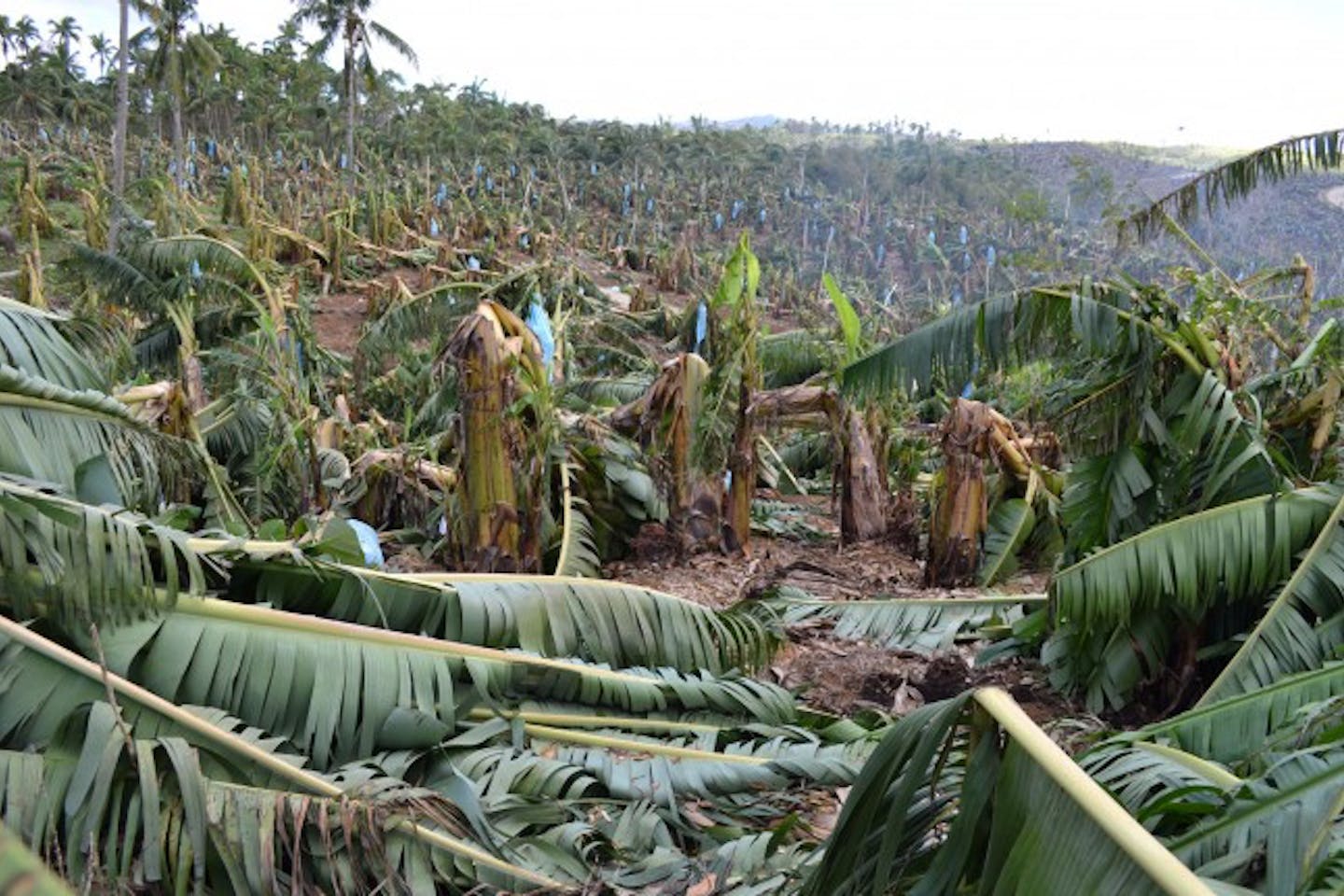
Catanauan, Quezon is now under a state of calamity after Super El Nino caused P147 million in crop and fishing losses. It joins Isabela and Bohol as the latest areas to declare, with nationwide farm damage at P5.5 billion.
Catanauan, a farming and fishing town in Quezon province, is now under a state of calamity after Super El Niño withered P147 million worth of crops and hurt its fishing grounds.
Mayor Ramon Orfanel said the municipal council approved the recommendation of the Municipal Disaster Risk Reduction and Management Council (MDRRMC) after damage to coconut, rice and vegetable crops, as well as the fishing sector.
The declaration lets the local government tap its Quick Response Fund to help residents hit by the prolonged dry spell, particularly farmers.
Assistance tailored per village, and a search for water
Orfanel said the town is still identifying what each farming community needs, because a single package will not fit every barangay or group of farmers.
He said Catanauan is coordinating with the national government on crops suited to drought, and is studying pepper or ginger as alternative sources of livelihood.
An MDRRMC review found the town now receives about half the rainfall of its five-year average, he said. The dry spell has also affected the local water district, prompting the municipal government to look for alternative water sources.
Isabela, Bohol and now Catanauan
Isabela placed its entire province under a yearlong state of calamity after drought-related damage reached P2.881 billion since July. Bohol declared provincewide on Nov. 17 after losses exceeded P360 million.
Catanauan, with P147 million in farm damage, is the latest area to join them, according to the National Disaster Risk Reduction and Management Council (NDRRMC).
The national toll
The NDRRMC put nationwide El Niño agricultural losses at P5.5 billion. It said the phenomenon has affected 388,375 people, or 104,149 families, nationwide.
El Niño has also caused 39 forest fires in Caraga and disrupted water supplies in at least four areas, the NDRRMC said.
Before the latest declarations, 106 cities and municipalities had been placed under a state of calamity, including 66 in Cagayan, 23 in Caraga, 12 in Bicol, four in Calabarzon and one in Soccsksargen.
The government had distributed P39.06 million in assistance to 24,618 families out of 35,893 identified as needing aid.
El Niño seen lasting into 2027
PAGASA warned that a very strong El Niño is prevailing in the tropical Pacific and could persist until the first half of 2027. The weather bureau forecast below-normal rainfall across much of the country, raising the risk of dry spells and drought.
Under Republic Act 10121, calamity declarations allow local governments to access disaster response funds and impose price controls on basic necessities.
Malacañang ruled out a nationwide declaration on Nov. 10. Palace press officer Claire Castro said the administration saw no immediate need because the government was meeting the needs of affected communities.
Key facts
| Item | Figure |
|---|---|
| Catanauan agricultural losses | P147 million |
| Catanauan declaration | Municipal council, on MDRRMC recommendation |
| Nationwide El Niño crop losses | P5.5 billion |
| People affected nationwide | 388,375 (104,149 families) |
| Other areas declared | Isabela (P2.881 billion), Bohol (over P360 million) |
| El Niño outlook | Very strong, may last until first half of 2027 |
Source - https://astig.ph