Residents of Anmado Island in Yeonggwang County, Jeollanam-do, are struggling against a massive deer population that has become feral after being introduced for medicinal purposes 30 years ago. Because the deer are legally classified as livestock under the Livestock Industry Act, a jurisdictional dispute between government agencies has left residents without effective solutions to protect their crops.
Residents of Anmado Island in Yeonggwang County are struggling to protect crops from an estimated 800 to 1,000 deer that roam the area. Although the deer were originally brought to the island 30 years ago for medicinal purposes, jurisdictional disputes between government ministries over whether the animals are livestock or wild animals have hindered management efforts.
Residents of Anmado Island in Yeonggwang County, Jeollanam-do, are fighting a war against deer herds that appear every night. The deer, which were brought in from outside approximately 30 years ago for medicinal purposes, have increased exponentially and occupied the entire island. Residents have even installed nets on the mountains to protect their crops, but these efforts are insufficient to stop the feral deer.
Deer herds bypass nets, destroying crops on Anmado Island at night
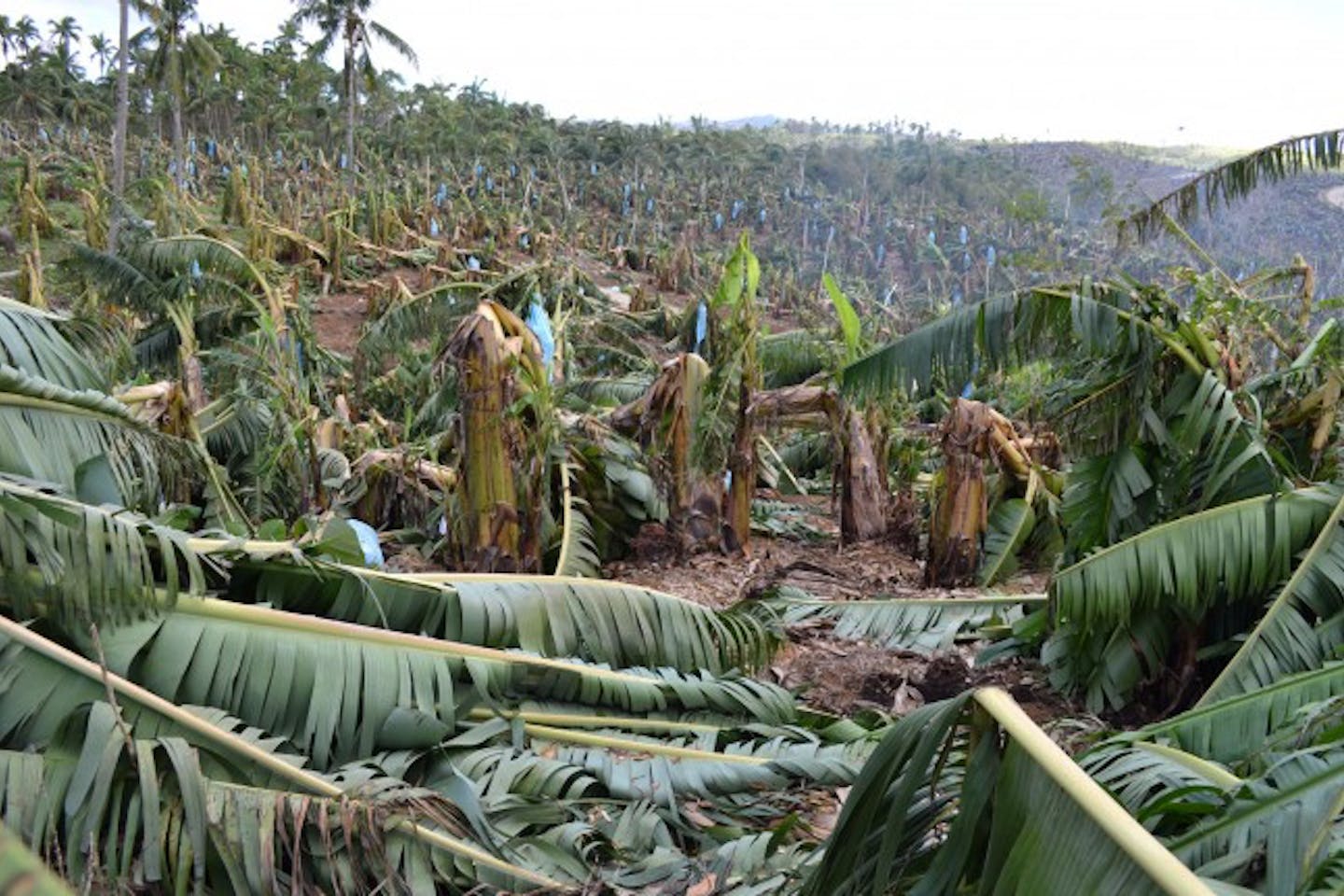
While Anmado Island is known for its beautiful grassy ridges, it has become a place of suffering for residents who find it difficult to farm due to the deer. Descending into the villages, the deer raid fields every night to eat crops and damage graveyards. Residents are struggling to protect pepper fields from being devastated, installing nets on mountains that should normally be used in the sea. In the video, residents express their distress, stating, "If we don't catch them, they eat everything," and "We can't stop them with nets." In particular, situations are repeating where fields are turned into weed patches after the deer eat everything down to the roots just one day after flowers are planted.
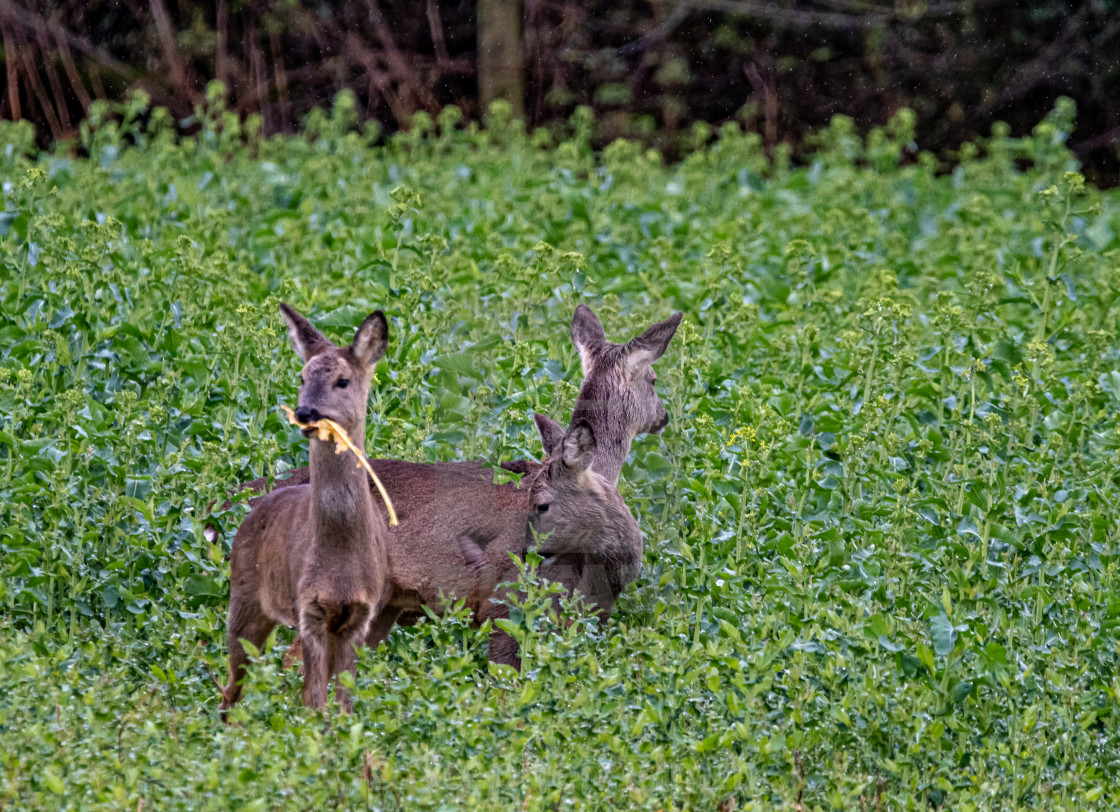
The situation on Anmado Island, where environmental ecology expert Choi Jong-in conducted an investigation, was severe. Carcasses of deer caught in nets were found throughout the forest; the video shows a deer carcass with rotting antlers and another carcass that has been dead for a long time after getting caught in a net. Near the village, a doe family was observed stomping their feet to guard their young. Residents estimate the deer population on the island to be between 800 and 1,000, complaining that they have turned the entire village into a "deer playground." The deer show no fear of humans, roaming the village especially between January and April.
Ownerless "livestock" deer: Wild animals or ownerless property?
The background of the deer occupying the island lies in past policies and neglect. Approximately 30 years ago, deer were brought in from abroad and grazed to produce velvet antler and meat. However, due to a lack of proper management, the deer naturally became feral. While there were initially fewer than five or ten deer, the population increased exponentially due to the lack of grazing management. The owners left a long time ago, leaving the remaining deer in an uncontrollable state. Residents say, "Since they are livestock with owners, there is no way to take action," but the owners finally relinquished ownership this spring.
The issue lies in the legal status of these deer. Because deer are classified as "livestock" under the Livestock Industry Act, the Ministry of Agriculture, Food and Rural Affairs maintains that it is the responsible authority rather than the Ministry of Environment. Conversely, residents and experts view these animals, which have grazed and survived on their own for decades, as effectively "wild animals." In the video, experts argue, "They are wild animals that have grown through grazing for decades, not livestock." While the responsible authorities pass responsibility to one another, the damage to residents continues to grow.
Escaped bears and ambiguous legal boundaries lead to repeated accidents
The problems caused by invasive species and captive animals are not unique to Anmado Island. At a bear farm in Yongin, Gyeonggi-do, an incident occurred where an Asian black bear escaped, causing fear among residents. Bears imported due to government encouragement in the 1980s are experiencing confusion as management systems changed following the joining of the international convention CITES. While they were once livestock for farm income, they now sit on an ambiguous boundary influenced by the Wildlife Protection Act.
In the case of Yongin, responding to the escaped bear was difficult due to jurisdictional issues between the local government and the environmental office, as well as discrepancies in determining the number of individuals. The video shows confusion as the farm owner's report and those of officials conflicted over whether one or two bears had escaped. The farm owner claims to be suffering due to the government's inconsistent policies. The distinction between artificially raised bears and self-sufficient wild animals under the law is a major cause of confusion in the field.
Invasive species disrupting the ecosystem: A cycle of constant eradication
In addition to deer and bears, invasive species with strong reproductive and survival capabilities, such as nutria, bullfrogs, largemouth bass, bluegill, and red-eared sliders, are threatening the ecosystem. Once introduced, they encroach upon the native ecosystem, requiring massive budgets and manpower to constantly control their populations. The video also mentions situations where species with deadly toxins, such as cane toads, or internationally endangered species, such as caiman, have been introduced. The moment humans momentarily lose control, the spread of invasive species accelerates uncontrollably.
Ultimately, the issue of invasive species is a complex task that goes beyond simply catching animals; it involves managing introduction routes and clarifying responsibility based on legal status. Eradicating invasive species that have once adapted to the natural ecosystem is a task that requires enormous cost and manpower. As these "illegal residents" of nature become deeply embedded in the ecosystem, social discussion to fill institutional loopholes is urgent.
Source - https://www.famtimes.co.kr