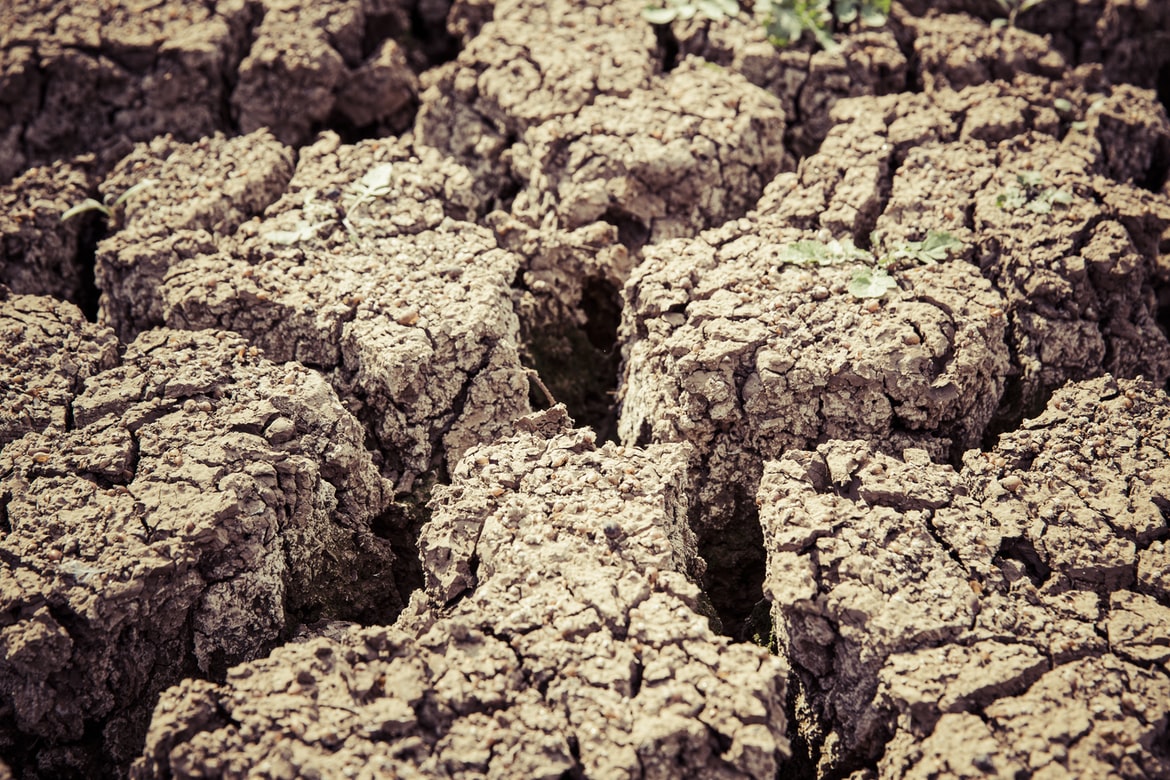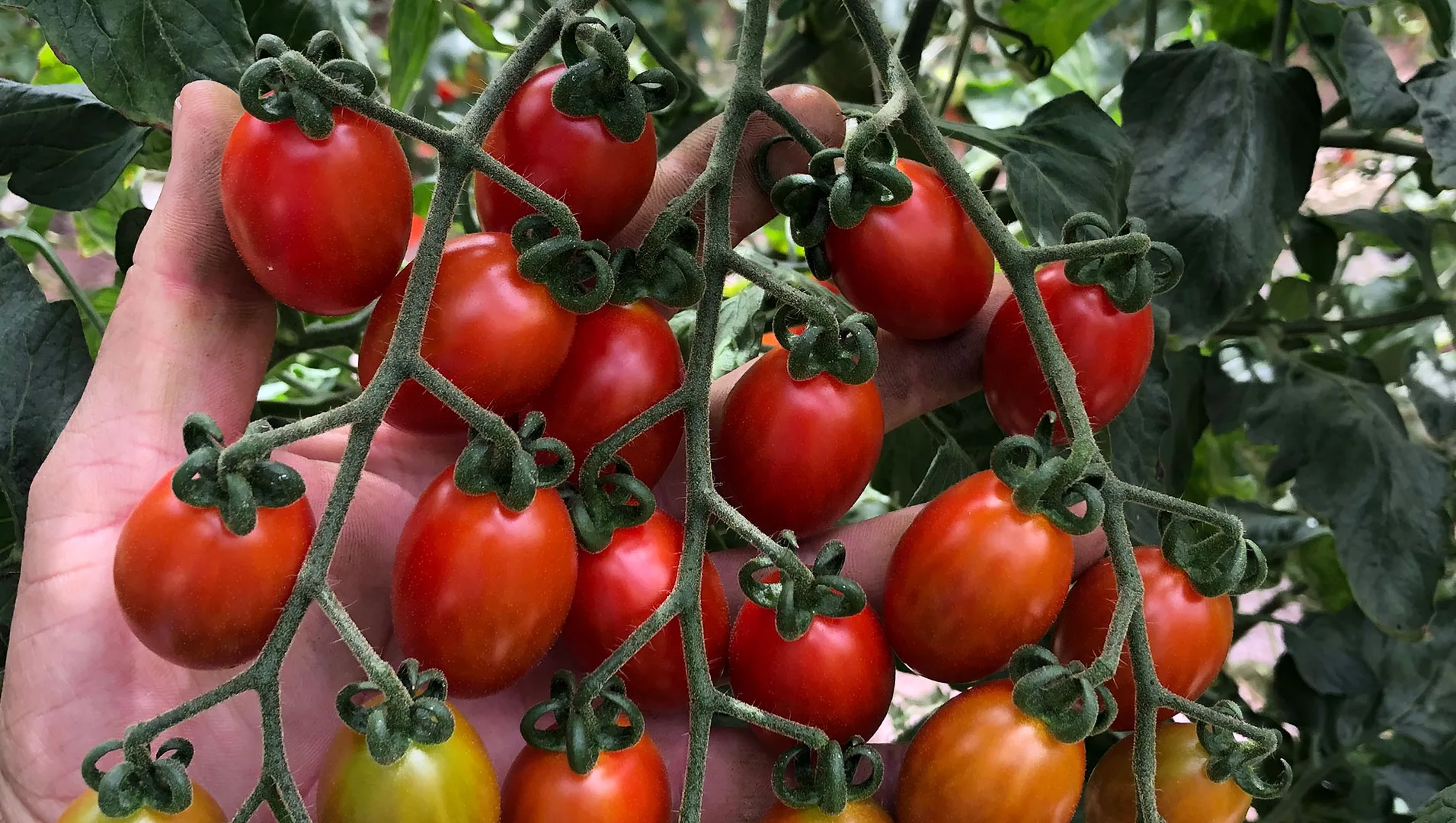
Tomatoes, bananas, eggplants, string beans, and other staple vegetables grown in mountain barangays here have suffered heavy damage from prolonged dry conditions.
This threatens to trigger price spikes and tighter supply in city markets in the coming months.
A partial drought assessment from the Office of the Cebu City Agriculturist showed that extreme heat and limited water supply had already damaged at least 233.57 hectares of farmland and affected 663 farmers across 19 barangays as of May 13.
The report paints a worsening picture for the agricultural sector as farmers grapple not only with declining harvests but also with falling produce prices, rising hauling costs, and deteriorating soil conditions linked to the dry spell.
The growing crop damage also adds urgency to discussions within City Hall on whether to place upland barangays under a state of calamity to unlock emergency assistance for affected farming communities.
Agriculture officials warned that the current figures remain incomplete and could still rise as more barangays continue validating and consolidating reports of crop losses.
Tomatoes, bananas among hardest hit
The drought damaged a wide range of crops cultivated in Cebu City’s upland barangays, particularly vegetables and fruits that require a steady water supply and stable growing conditions.
Among the most heavily affected commodities were:
Tomatoes
Bananas
Eggplants
String beans
Ampalaya
Cucumbers
Sweet corn
Sili
Squash
Kangkong
Banana plantations suffered losses in barangays Budlaan, Bonbon, Mabini, Sudlon I, Pamutan, Guba, Malubog, and Paril.
Tomato-producing areas such as Tabunan, Taptap, Guba, Sudlon I, Sinsin, and Pamutan also reported significant crop damage.
String beans and eggplants sustained losses in Agsungot, Buot, Paril, and Cambinocot, while drought conditions also affected cucumber and ampalaya farms in Sinsin, Kalunasan, and Tabunan.
The report warned that the prolonged dry spell severely disrupted agricultural productivity, particularly in crops highly dependent on regular rainfall and irrigation.
Ornamental plants also suffer
Aside from food crops, the drought also hit Cebu City’s ornamental plant industry.
Barangays Babag, Budlaan, and Pung-ol Sibugay reported damage involving orchids, aster, gerbera, and wonder white plants, which many upland growers supply to landscaping businesses and flower markets.
Agriculture officials said extreme heat and limited water supply made ornamental plants particularly vulnerable to drying and heat stress.
Worst-hit barangays
Based on the initial assessment, the barangays with the highest percentage of crop damage included:
Budlaan — 51.91 percent
Tagbao — 45.59 percent
Tabunan — 42.69 percent
Agsungot — 42 percent
Kalunasan — 17.09 percent
Meanwhile, the largest damaged farm areas were recorded in:
Tagbao — 65.38 hectares
Tabunan — 51.74 hectares
Bonbon — 20.07 hectares
Budlaan — 19.89 hectares
Taptap — 16.79 hectares
The Office of the City Agriculturist reported that Cebu City currently has 5,801 registered farmers cultivating around 2,856.54 hectares of farmland.
Officials emphasized, however, that the report remains partial because several upland barangays, including Adlaon, Lusaran, Sirao, Sudlon II, Sapangdaku, Buhisan, Binaliw, Busay, and Toong, have yet to complete data submission and validation.
“The figures and values reflected in this report are subject to change and may increase as field monitoring, data gathering, consolidation, and encoding activities continue,” the report stated.
Why consumers may feel the impact
The crop losses may eventually ripple into Cebu City markets as lower harvest volumes tighten supply for several commonly consumed vegetables and fruits.
The drought also compounds existing economic pressures on farmers already struggling with expensive transportation costs and weak produce prices.
Earlier, Mayor Nestor Archival said some upland farmers already faced situations where hauling costs exceeded the actual selling price of their produce.
“This is important because our farmers are being hit from both sides—high costs and low prices,” Archival earlier said.
The mayor said the city government would continue studying a possible state of calamity declaration for affected upland barangays once the City Agriculture Department would complete its full assessment.
He also said the city had started preparing interventions that include possible cash assistance, free transport services for farmers bringing produce to urban markets, seedling distribution, and fertilizer support programs.
Source - https://cebudailynews.inquirer.net