People may not be aware that there is an ongoing issue on the recent decision of the Insurance Commission to temporarily shelve the implementation of IC Circular 2022-34, dated July 14, 2022, correcting the minimum catastrophe insurance rates from 0.15 percent to 0.2 percent, supposedly to take effect from January 2023. This has been in turn spurred by a congressional inquiry into the reasons behind it.
This threw the industry into an unprecedented crisis relative to the renewal of their reinsurance treaties for the year. The detrimental effects of this temporary suspension, include but are not limited to:
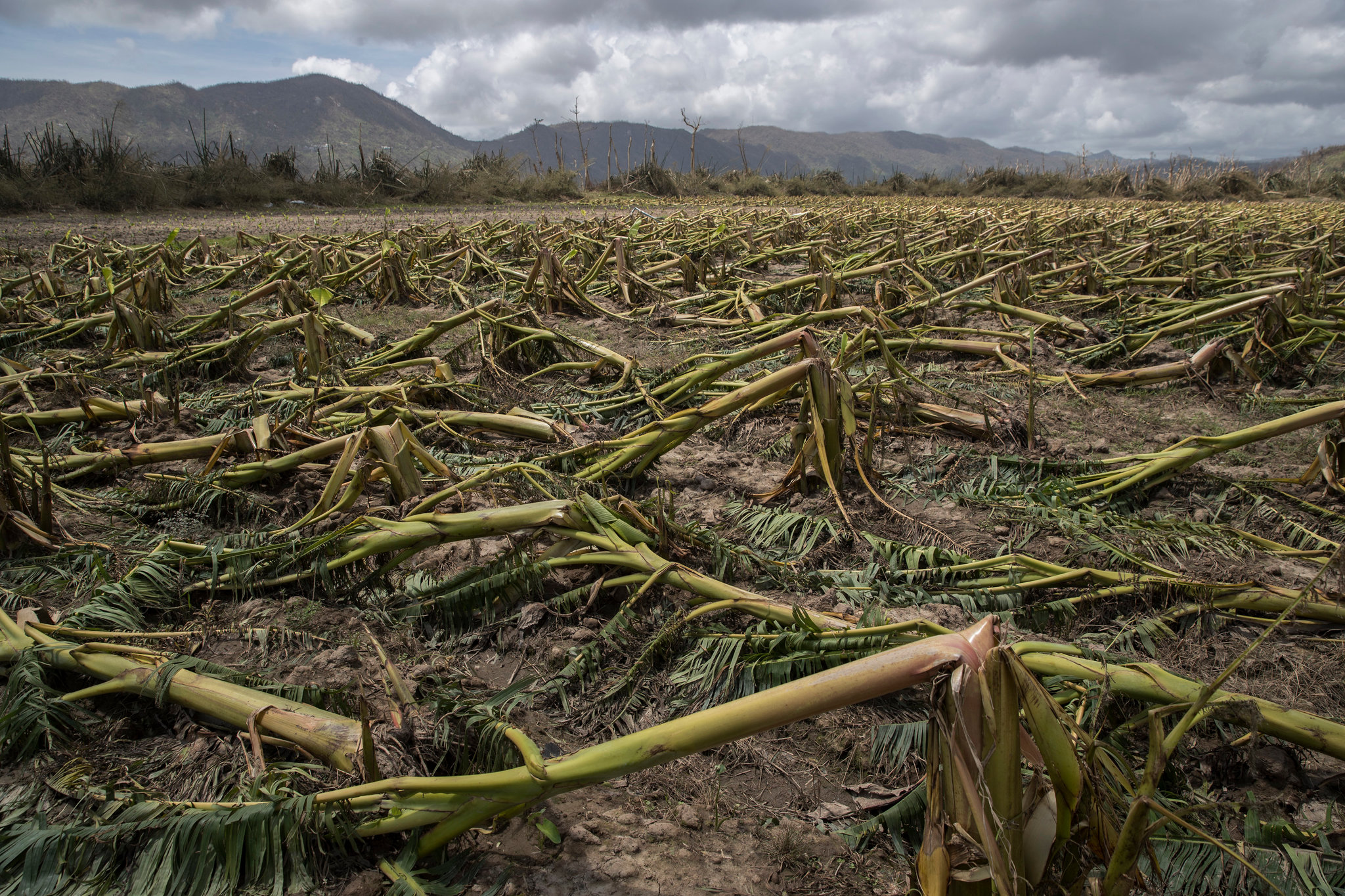
1. The further delay in the technical correction of a rate that has not been reviewed and updated in over a decade. Such a correction will make this class of insurance more sustainable. Scientists and experts the world over have been sounding alarm bells on climate change and the resultant exacerbation of "nat cat" (natural catastrophe) events such as typhoons and floods. Even ordinary weather occurrences such as thunderstorms and monsoon rains can have catastrophic results due to the inordinate quantity of moisture that it can carry and thus the huge amount of rain that it unleashes.
The Philippines is now considered the most vulnerable nation to catastrophic events such as typhoons, floods and earthquakes, the very coverages that nat cat insurance protects against. It may happen that if local insurers are unable to get the protection it needs via reinsurance, then they may be forced not to offer the very protection that the country needs at this point. The government should closely look into this as they are the ultimate risk takers and insurers post-calamity. The government should realize that the insurance industry helps cushion the blow and are its partners if it is allowed to sustainably write this kind of business.
2. It sends a wrong signal to the international reinsurance market on whom the Philippine insurance industry is heavily reliant on. Major reinsurers are correcting their own rates, while we are unable to adjust our own due to the temporary stay of the Insurance Commission. They now view the Philippines as an unsustainable risk, resulting in their imposing higher reinsurance protection costs, or pulling out their facility altogether. As a matter of fact, even the Philippine Catastrophe Insurance Facility so painstakingly cobbled together by the regulators and the industry over several years has been jeopardized. Again, the protection it expects to be able to obtain from the global reinsurance market at prices already using the new adjusted rates are not attracting any takers.
We hope and pray that the congressional inquiry ends soon and that both branches of government, legislative and executive, are on the same page on the need to have ready coverage for nat cat events. A coverage that our populace badly needs in the face of climate change and the exacerbation of the strength and frequency of typhoons and floods, as well as protection against the loss or damage that a major earthquake can bring, bearing in mind our being situated within the Pacific Ring of Fire. We should take notice of such events happening around the world and even in the Philippines. Statistics do not lie and the trends are there for all to see. Such events are increasing, and we must prepare for them. Anything that prolongs the availability of this type of protection puts all our efforts in helping create a resilient Philippines in jeopardy.
I end with an appeal for an all-of-society approach to addressing this issue. Let us ferret out the truth and see the bigger picture. Let science and the accumulated knowledge of actuaries, mathematicians, underwriters, geologists, hydrologists, climatologists and other experts involved in this, guide us and our decisions. In the end we only have one country, and we all share the desire to protect it and its people going forward.
Source - https://www.manilatimes.net