The Philippine Crop Insurance Corporation (PCIC) in Western Visayas has set aside P150 million in drought insurance as El Niño conditions intensify, with officials warning that the region is already nearing “critical” risk levels that could threaten thousands of farmers in the coming cropping season.
The allocation — aimed at cushioning potential losses during the third cropping cycle — comes as the Philippine Atmospheric, Geophysical and Astronomical Services Administration (PAGASA) signals worsening dry conditions, prompting heightened government preparedness across the agriculture sector.
Eva Ulie Laud, regional manager of PCIC, said the agency’s risk assessment shows increasing exposure, particularly in areas dependent on irrigation systems.
“As we take stock of our risk exposures, we recognize that the potential for drought, particularly in irrigated areas monitored by the National Irrigation Administration (NIA), is a significant concern. Current surveillance and meteorological updates indicate that we are indeed facing a critical situation,” she said.
Despite reports of drought, Laud clarified that irrigation systems under the National Irrigation Administration (NIA) still have available water, limiting the most severe impacts to rainfed farms.
“Currently, while some areas report drought, our NIA facilities still have available water for irrigation. Therefore, the drought primarily affects unirrigated, rainfed crops,” she explained.
However, she underscored that only irrigated farms qualify for third-crop insurance, enforcing strict eligibility rules amid constrained resources.
“We have a clear cut-off for planting, and only those with access to irrigation qualify for insurance coverage,” Laud added.
The agency’s P150-million insurance pool is divided across major agricultural sectors, targeting both staple and high-value crops:
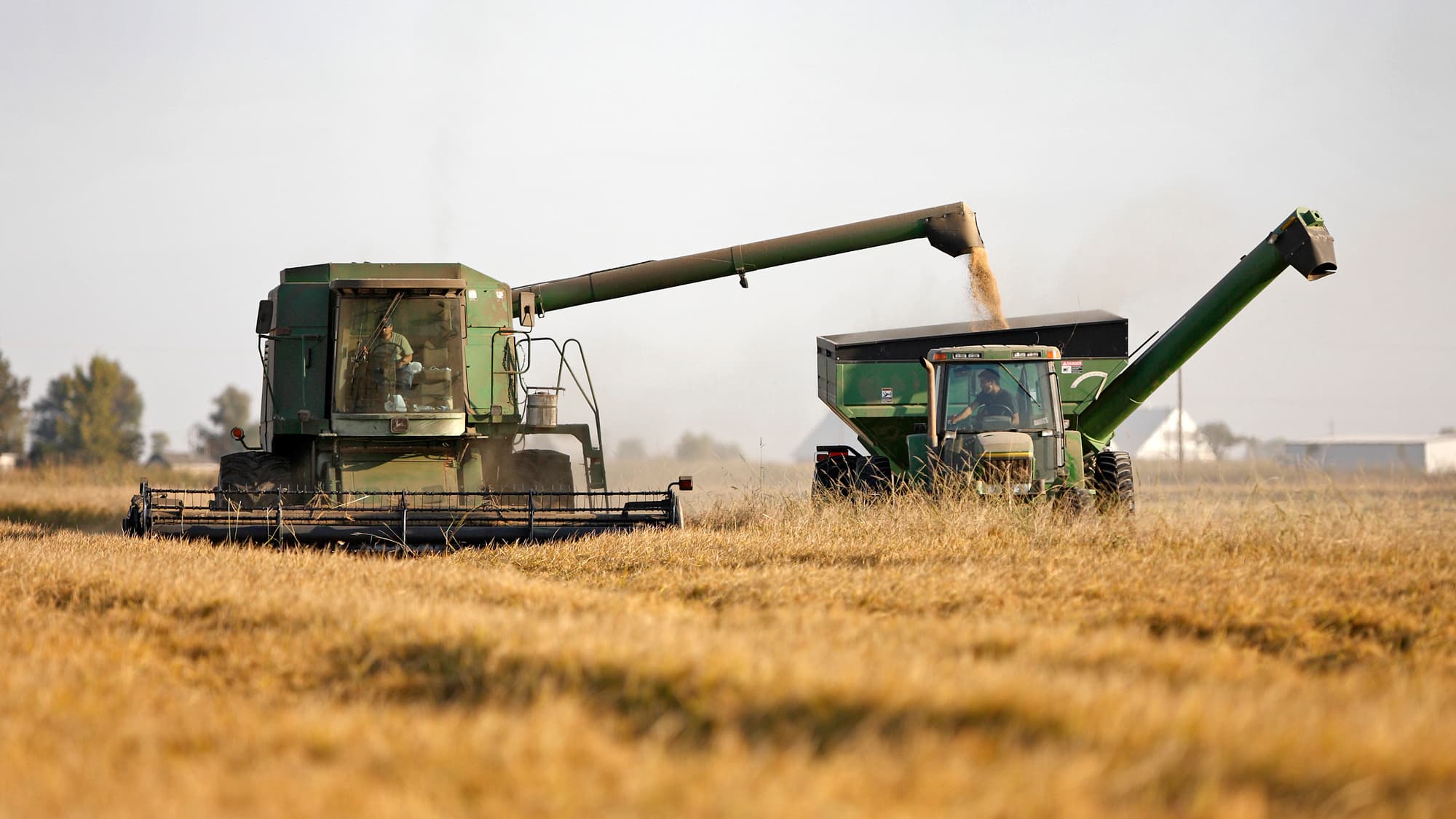
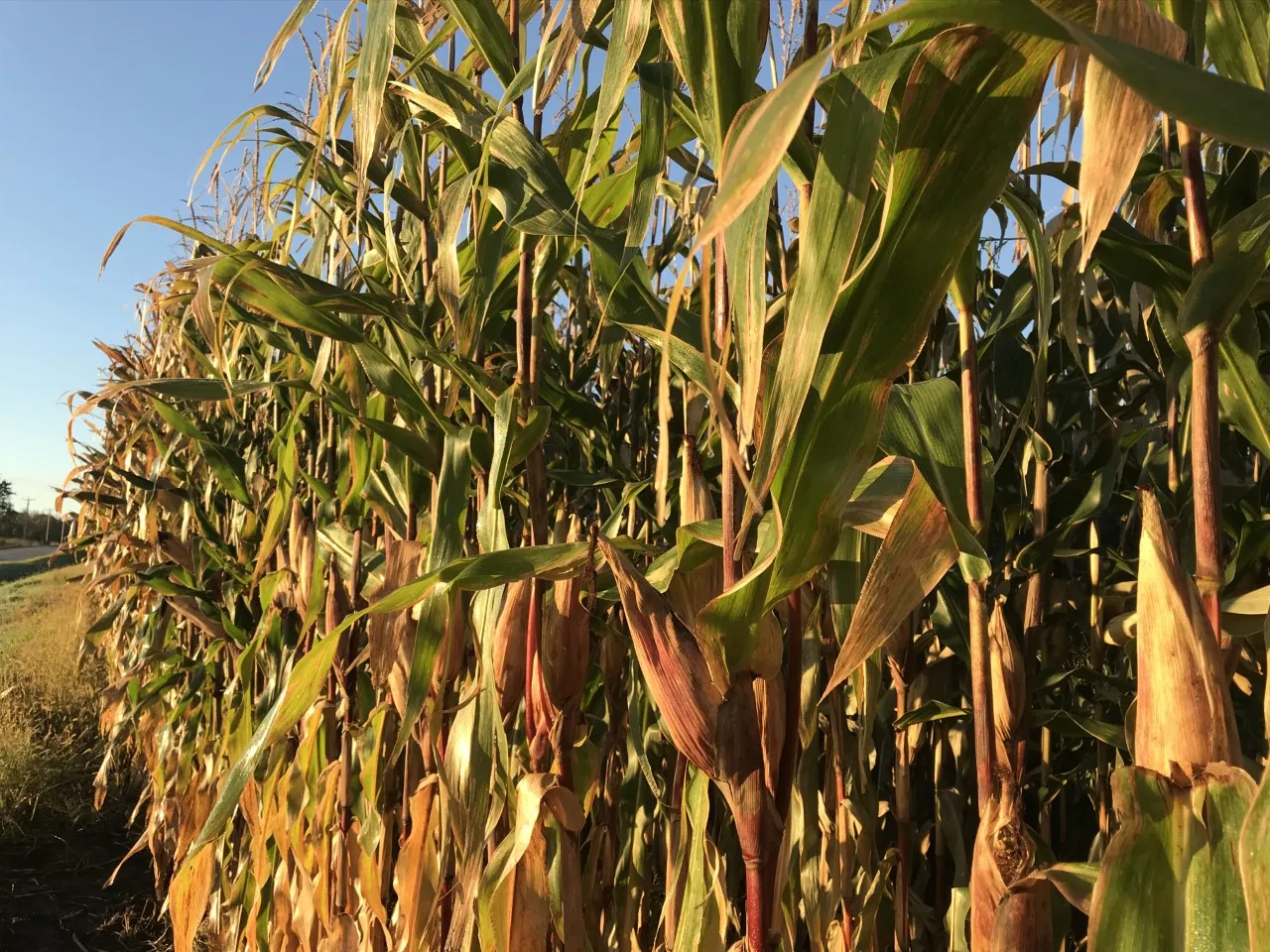
* P100 million for rice and corn farmers, covering an estimated 10,000 beneficiaries
* P50 million for high-value crops and coconut farmers, potentially assisting 61,000 growers
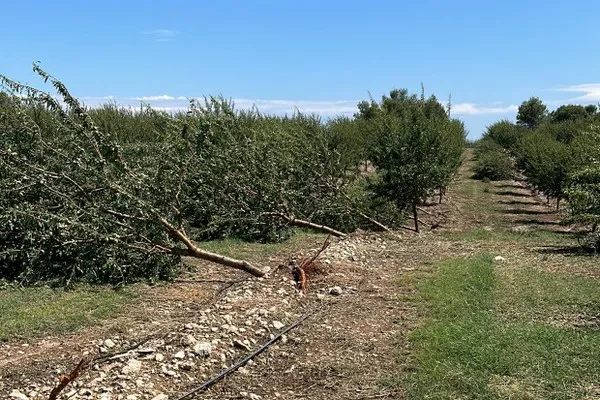
For coconut producers, Laud noted that insurance coverage is limited to total tree loss, reflecting the crop’s vulnerability to prolonged drought.
“Our insurance policy for coconuts only provides payouts in cases where trees are completely lost, which requires a meticulous assessment of the conditions leading to such outcomes,” she remarked.
Laud also emphasized that farmers’ concerns extend beyond rainfall shortages, citing rising fuel costs and water sourcing challenges that affect irrigation access.
“As long as there is access to irrigation water, there should be no reason for farmers to face drought-related damages,” she stated.
To reduce risks, PCIC is urging farmers to adopt improved technologies and enroll in insurance programs to better withstand climate shocks.
“If farmers are utilizing irrigation, they should ideally not face drought-related damages. We are encouraging our farmers to seek out insurance and to adopt progressive agricultural practices that incorporate new technologies that we are highlighting through our initiatives,” she added.
With El Niño expected to strain agricultural production, PCIC-6’s preemptive funding signals a race against time to protect farm output and livelihoods, particularly in vulnerable rainfed areas where drought impact is likely to be most severe.
Source - https://www.panaynews.net