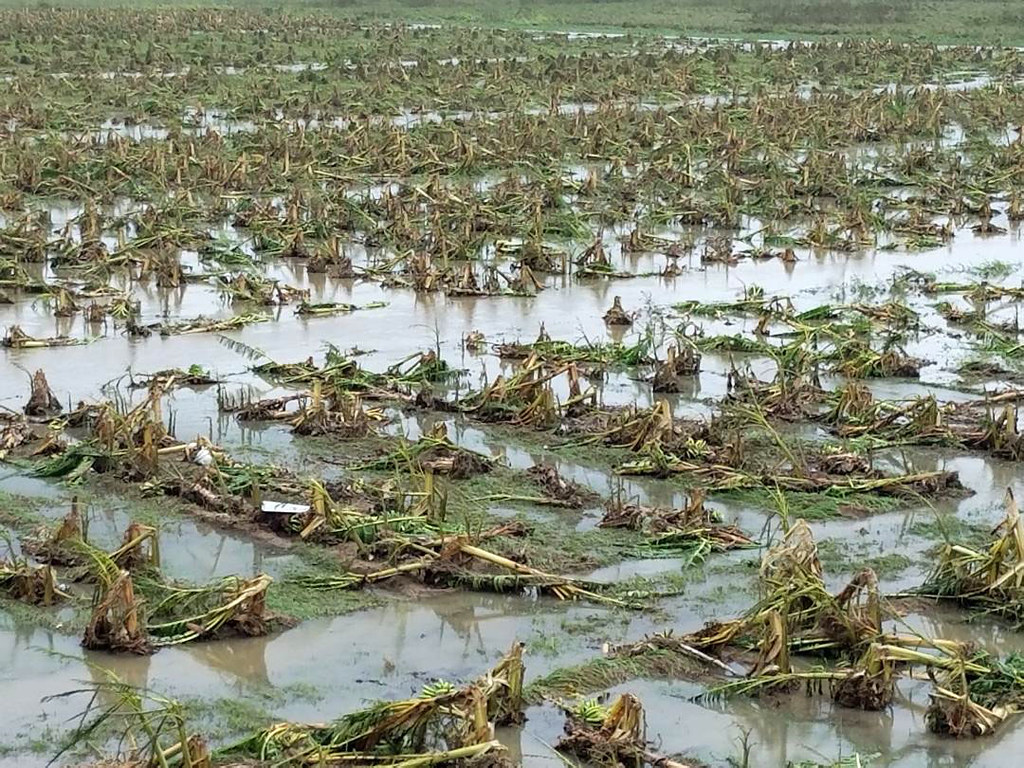

Poland is changing the rules for subsidised crop insurance from autumn 2026. The state can still cover up to 65% of the premium, but higher qualifying rate limits will enable more farms to receive the full subsidy. In some cases, the cost of protection will fall by almost one-third. The rules governing compensation payments are changing too.
Legislative amendments adopted on 11 June 2026 simplify the crop-insurance subsidy system. The most important change removes the link between qualifying insurance tariff limits and soil classification. As a result, some farmers can receive a larger subsidy even when the insurance value and gross premium remain unchanged.
Crop insurance in 2026: higher subsidy limits
The new provisions set two limits on premium rates eligible for the full subsidy: 15% of the insured sum for most crops, including cereals and rapeseed, and 25% for tobacco, field vegetables, fruit trees and bushes, and strawberries. Previously, the limits also depended on soil class, which could restrict the amount of public support available to particular farms.
The requirement to declare the soil classification of agricultural land when insuring risks other than drought has also been removed. Osier willow and seed grasses are additionally included in the scheme.
The subsidy may still cover up to 65% of the premium. According to the announced budget figures, funding was increased by more than PLN 50 million to PLN 682 million.
How much can a farmer save? An example of PLN 1,950
The effect can be illustrated using rapeseed insured on class III soil. With an insured sum of PLN 100,000 and a 12% tariff rate, the insurance premium is PLN 12,000.
Under the previous rules, a qualifying tariff limit of 9% meant that the subsidy was calculated on PLN 9,000. The state covered PLN 5,850, leaving the farmer to pay PLN 6,150.
With the limit increased to 15%, the entire PLN 12,000 premium now qualifies. Public support rises to PLN 7,800, reducing the farmer’s contribution to PLN 4,200. That is a saving of PLN 1,950, or around 32% of the previous cost.
This is a simplified calculation covering risks other than drought and adverse wintering effects, and assumes identical premiums and coverage before and after the reform. Actual savings depend on the crop and insurance conditions.
Deductibles will change the size of compensation payments
Another important reform replaces the previous threshold-based deductible with a deductible deducted from the compensation amount. Under the earlier system, a loss had to exceed a certain threshold, after which compensation was paid without subtracting the threshold itself. Under the new arrangement, an agreed amount is deducted from the calculated compensation.
The deductible, set in the agreement at between 10% and 35% of the insured sum, may reduce the premium but increases the farm’s share of the financial loss.
For example, with an insured sum of PLN 100,000 and a 10% deductible, the deduction is PLN 10,000. If a loss is valued at PLN 30,000, the farmer receives PLN 20,000, assuming there are no other contractual restrictions. The deductible is calculated against the insured sum, not the amount of the loss.
A policy with a higher deductible may suit a farm with adequate financial reserves that mainly wants protection against major losses. For farmers with limited liquidity, the amount deducted from any claim may be just as important as the premium itself.
Which crops and risks are covered in the autumn season?
Autumn insurance mainly concerns winter crops, including cereals, rapeseed, turnip rape, winter vetch and winter peas. Depending on the policy, coverage can include winter damage, hail, spring frost, drought, flooding, torrential rain, hurricanes, avalanches, landslides and lightning strikes.
Each risk must be checked separately. Insurance against winter damage does not automatically cover spring frost, while hurricane coverage may not apply to damage from winds that do not meet the contractual definition of a hurricane.
Optional extensions without state subsidies may also be available for fire, transport, crop storage and certain weather events outside the standard coverage. When comparing offers, farmers should examine when insurer liability begins, waiting periods, loss valuation rules and the insured sum, which should correspond to the anticipated value of the harvest.
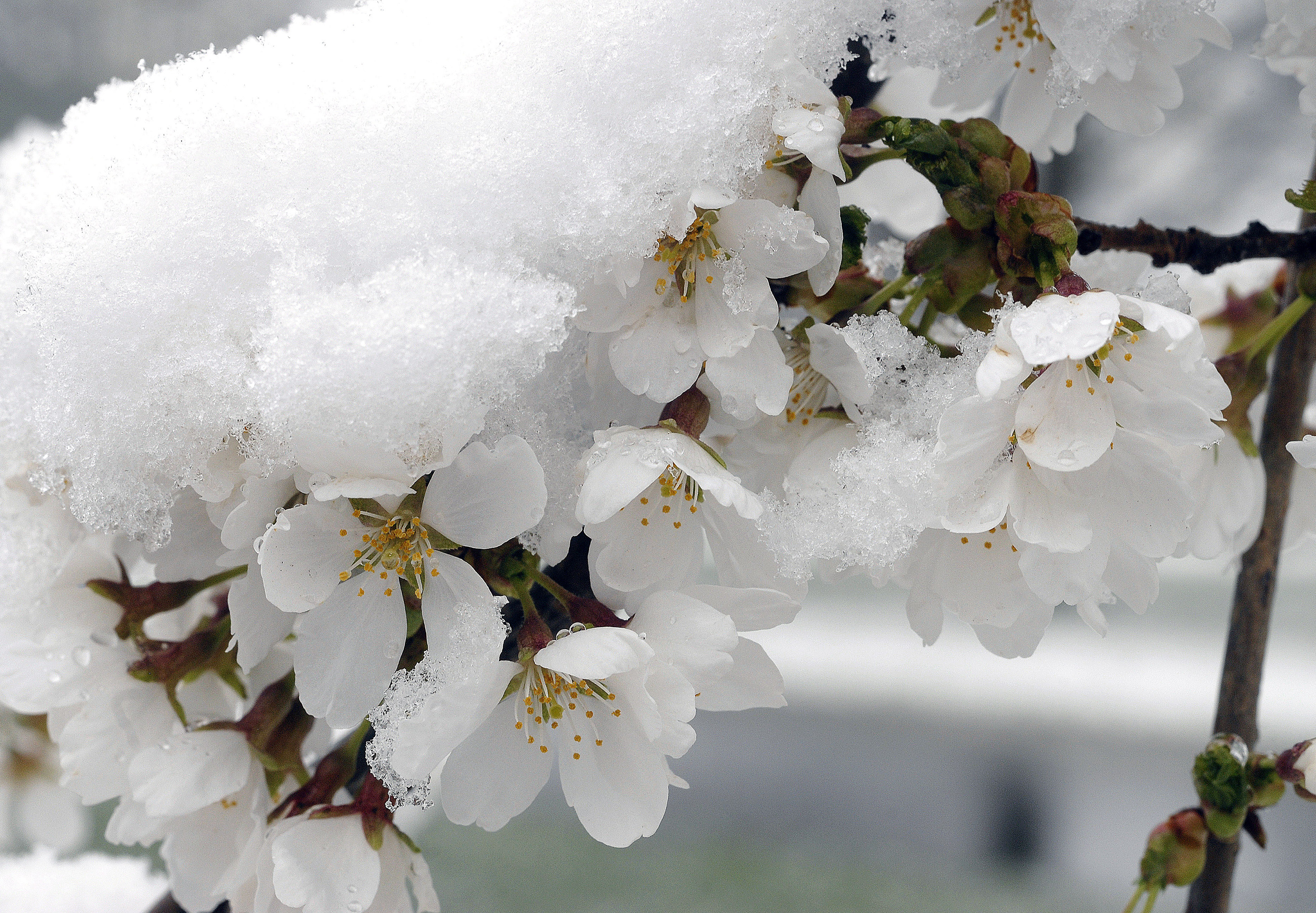
Spring frost claims approached PLN 580 million
Figures supplied by Poland’s Ministry of Agriculture and Rural Development during parliamentary proceedings illustrate why crop protection matters. Compensation paid for spring frost reached almost PLN 580 million in 2025, compared with more than PLN 380 million in the previous year—an increase of roughly PLN 200 million.
These figures cover insurance payouts, not the full value of agricultural production losses. Hailstorms and intense rainfall also damaged crops in 2026. For example, after a hailstorm and heavy rain in the Lubomino municipality in northern Poland, damage was reported on approximately 600 hectares.
Farms face pressure from costs and weather
According to figures released by Statistics Poland on 30 September, farmers assessed changes in their farms’ economic circumstances during the first half of 2026 negatively. The indicator stood at minus 41.1 points, while expectations for the second half were also unfavourable.
A lost harvest means more than forgone revenue. Seeds, fertilisers, fuel and agricultural operations have already been paid for or remain payable, while loan and leasing obligations continue. Compensation may help finance replanting and preserve a farm’s liquidity.
Poland’s seasonal weather forecast does not rule out winter freezes
The experimental forecast issued by Poland’s meteorological institute IMGW for October 2026 through January 2027 points to temperatures near the long-term norm in October and January, and above the norm in November and December. January may bring above-normal precipitation in northern Poland and parts of the south.
A seasonal forecast cannot rule out local episodes of severe frost or determine whether winter precipitation will fall as rain or snow. Nor does it establish the likelihood of spring frosts in 2027.
A lower premium is not the whole picture
Higher subsidy limits may make crop insurance more accessible and reduce the financial burden on farms. However, the deductible, the risks actually covered, waiting periods and compensation calculation rules will remain crucial considerations.
The cheapest policy will not always provide the most effective protection, especially if a serious loss leaves the farmer responsible for covering a substantial part of the damage from their own resources.
Source - https://ceo.com.pl