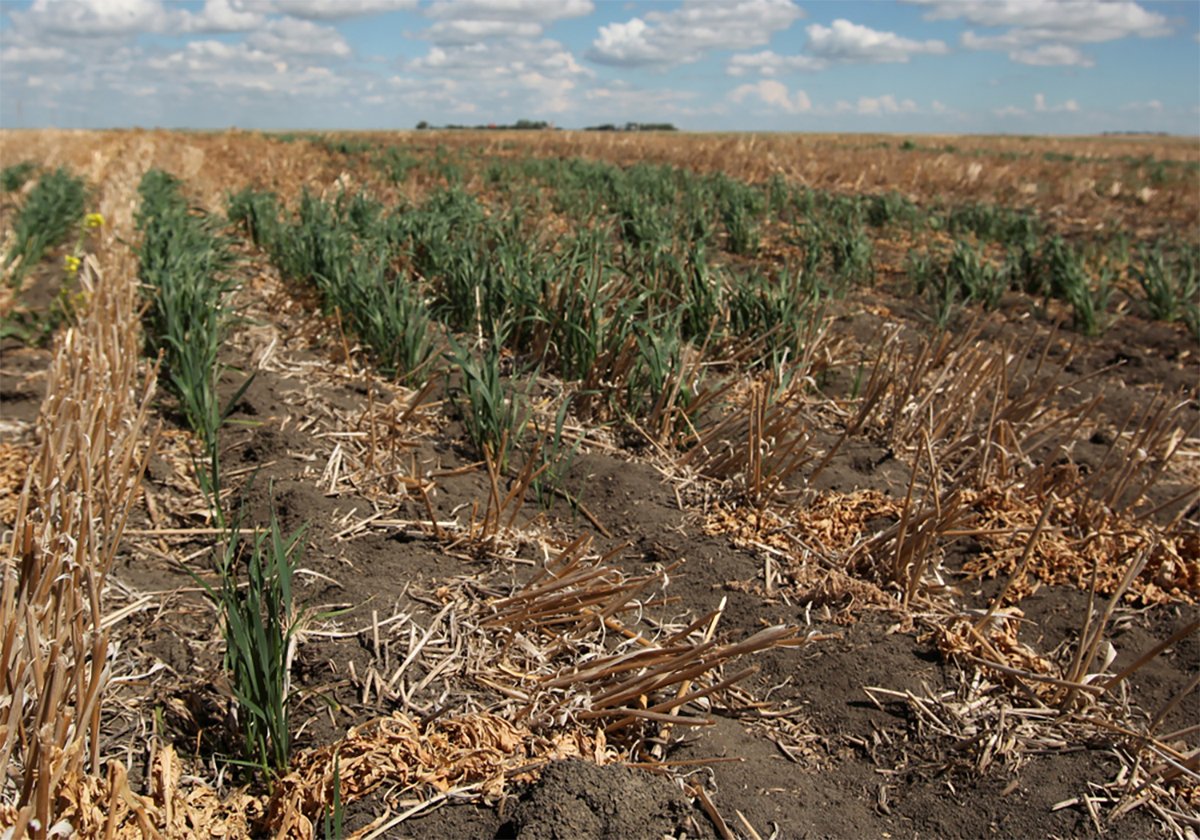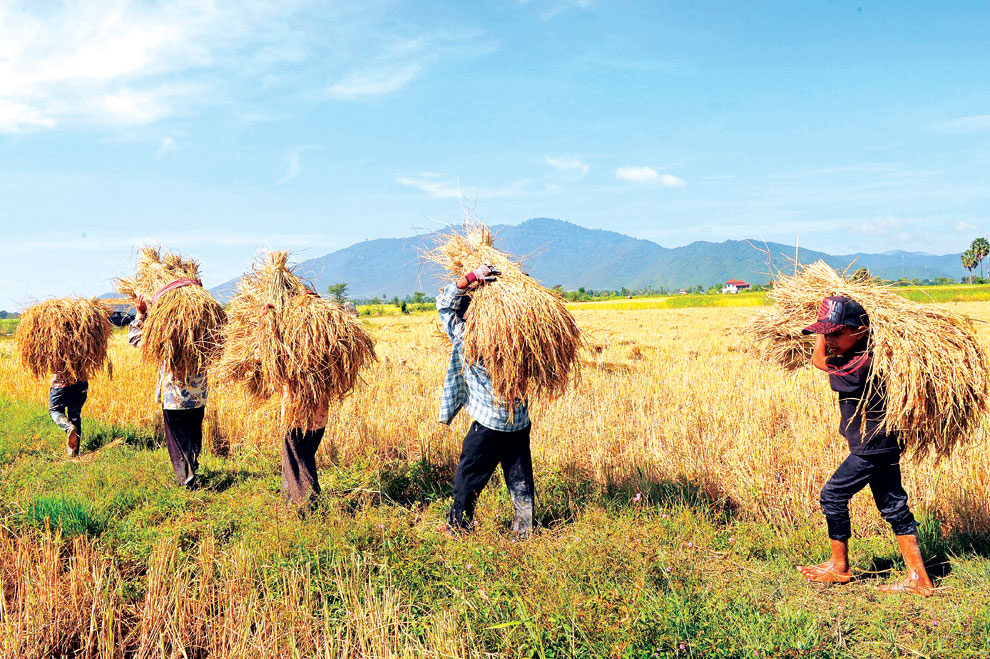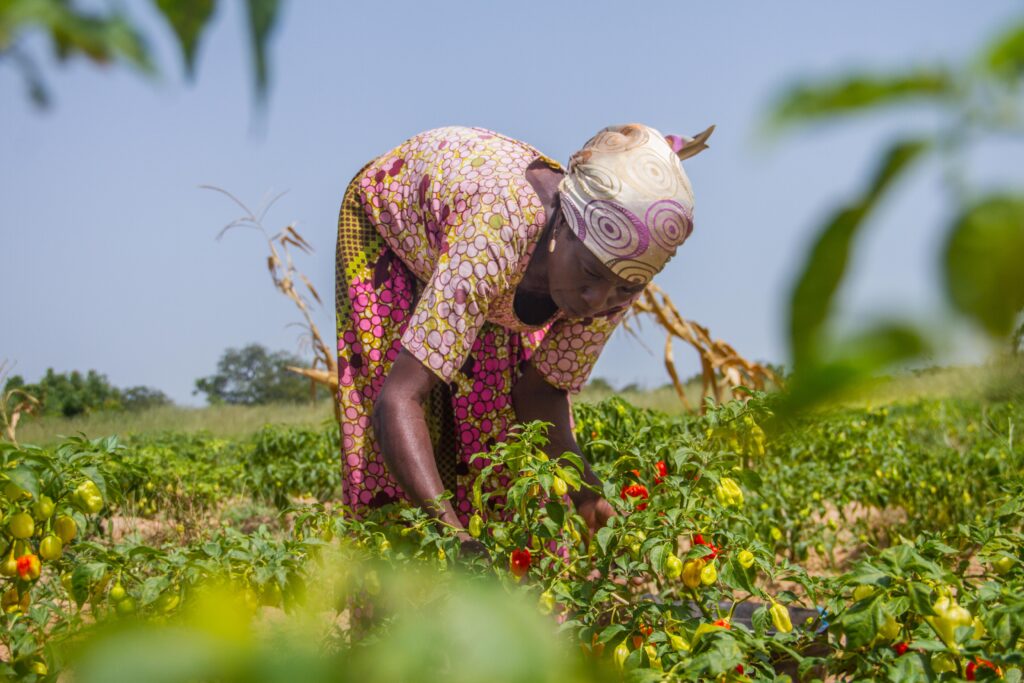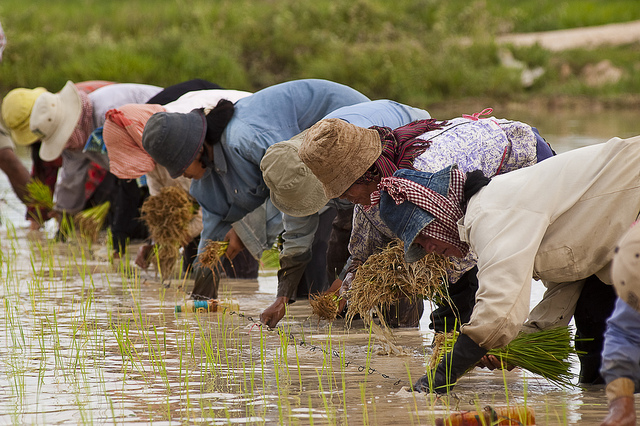
Every year, Nigerian farmers face a quiet tragedy that unfolds long after seeds are sown and crops are nurtured. Beneath the scorching sun, vast fields produce abundance, only for a staggering percentage of this yield to rot in transit, spoil in sub-optimal storage, or decay due to lack of immediate processing infrastructure.
According to estimates by agricultural experts and government records, Nigeria loses roughly 40 per cent of its perishable agricultural produce annually to post-harvest losses as a result of inadequate storage, transportation, inadequate processing, inefficient traditional handling methods and market infrastructure —a staggering economic waste valued at around N5 trillion that severely threatens national food security and strains foreign exchange reserves.
Amidst these structural challenges, a transformative shift is quietly taking root across the country’s agricultural heartlands. Armed with a mandate to drive home-grown engineering solutions and reduce import dependence, the National Agency for Science and Engineering Infrastructure (NASENI) is deploying domesticated food processing machinery, decentralized storage systems, and renewable energy technologies designed specifically for the unique realities of Nigerian farming communities.
Domesticating the Machines: The AMEDI Model
Historically, Nigerian food processing has relied heavily on imported heavy machinery—equipment that is expensive to purchase, costly to maintain, and often unsuitable for localised farming ecosystems. When imported parts break down, entire processing operations grind to a halt for months.
NASENI has flipped this script through its development institute, the Agricultural Machinery and Equipment Development Institutes (AMEDI) in Lafia, Nasarawa State. Rather than relying on foreign technology, NASENI engineers reverse-engineer, adapt, and mass-manufacture food-grade machinery locally.
From stainless-steel cassava flash dryers and multi-crop cereal threshers to high-capacity grain cleaners and cassava flour processing mills, NASENI is building an indigenous industrial base. By utilizing locally sourced materials and standardizing fabrication techniques, these machines are up to 60 percent more affordable than their imported counterparts and infinitely easier to service using local artisans.
The AMTDI Model
The National Agency for Science and Engineering Infrastructure (NASENI)—through specialized development centers like the Advanced Manufacturing Technology Development Institute (AMTDI) in Jalingo—expanded into producing agricultural and post-harvest machines to drive national food security and industrialization.
AMTDI has designed and fabricated several post-harvest and agro-processing machines to support agricultural mechanization and food security in Nigeria. Some of their notable post-harvest and processing technologies include:
Grain Threshers & Multi-Grain Cleaners: In AMTDI machines like Magami Multi-grain Thresher, and specialized Rice Threshers designed to efficiently separate grains from husks or stalks with minimal loss.
Rice Processing Equipment: Specialized systems including Rice Destoner Machines (to remove stones and impurities from harvested rice) and Rice Husk Furnaces (which can utilize waste husks for energy or processing tasks).
Fish Processing & Production Equipment: Engineered solutions for aquaculture farmers, including 20kg and 50kg Fish Dryers for hygienic preservation, as well as Compact Fish Feed Mills for processing local ingredients into quality fish feed.
Milling & Extraction Machinery: Systems such as Combined Milling Machines for general grain processing and Virgin Coconut Oil Extractors for value addition in oilseed processing. These machines are built to reduce post-harvest losses, minimize manual labour, and promote local industrialization through advanced manufacturing techniques
Battling the Tomato Glut: Solar Cold-Chain Solutions
Perishable horticulture—particularly tomatoes, onions, citrus, and leafy greens—suffers the highest post-harvest casualty rates in Nigeria. During peak harvest seasons, northern agricultural corridors experience massive gluts where crates of fresh tomatoes are sold for nominal sums or left to rot along roadside markets due to lack of cold storage and processing outlets.
To tackle this specific bottleneck, NASENI has pioneered off-grid, solar-powered cold storage units and modular processing facilities. By tapping into Nigeria’s abundant solar energy, these decentralized walk-in cold rooms enable rural farming clusters to preserve their harvest for weeks rather than days.
Furthermore, localized fruit juice extraction and tomato paste processing plants allow farmers to convert excess produce into shelf-stable commodities directly at the community level, effectively turning potential waste into high-value products.
Empowering the Local Eco-System
Technology deployment is only half the battle; sustainability lies in local capability. NASENI’s approach extends beyond manufacturing to technical empowerment. Through targeted skill-acquisition programs, NASENI trains local fabricators, rural youths, and women-led cooperative societies on machine operation, routine maintenance, and food safety standards aligned with regulatory bodies like NAFDAC.
Additionally, programmes like the National Tractor and Machinery Recovery Initiative focus on refurbishing broken-down agricultural equipment across rural communities, putting dormant capital back to work without the heavy expense of new acquisitions. The driving forces behind this initiative by the Agency include:
Mitigating Massive Post-Harvest Losses: Annually due to poor storage, inadequate processing as well as inefficient traditional handling methods, Nigeria, historically has lost billions of naira in agricultural produce. Developing local machinery aims to minimize this waste.
Fulfilling the Institutional Mandate: NASENI was established to spearhead capital goods research, reverse engineering, and the localized manufacturing of tools, equipment, and machinery spanning cultivation, harvesting, and processing.
Reducing Reliance on Foreign Imports: NASENI is cutting down the country’s dependence on expensive imported agricultural machinery by locally fabricating reliable threshers, milling machines and processing units.
Promoting Value Addition: Producing equipment like oil extractors and fish dryers allows smallholder farmers and rural SMEs to process raw commodities into finished products, increasing their income and economic viability.
Driving Technology Transfer: Through its network of institutes, NASENI designs these technologies with the intent of transferring patents and mass-production strategies to local entrepreneurs, private companies, and small-scale manufacturers.
The Road Ahead: Engineering Food Security
As Nigeria accelerates its drive towards self-sufficiency and economic diversification, closing the post-harvest gap is no longer optional—it is vital. NASENI’s domesticated food processing equipment demonstrates that Nigeria possesses the technical ingenuity to solve its own food security challenges.
By bridging the gap between engineering labs and farm gates, NASENI is doing more than preventing spoilage; it is revitalising rural economies, preserving hard-earned income for smallholder farmers, and building a self-reliant agricultural infrastructure for future generations.
Source - https://leadership.ng