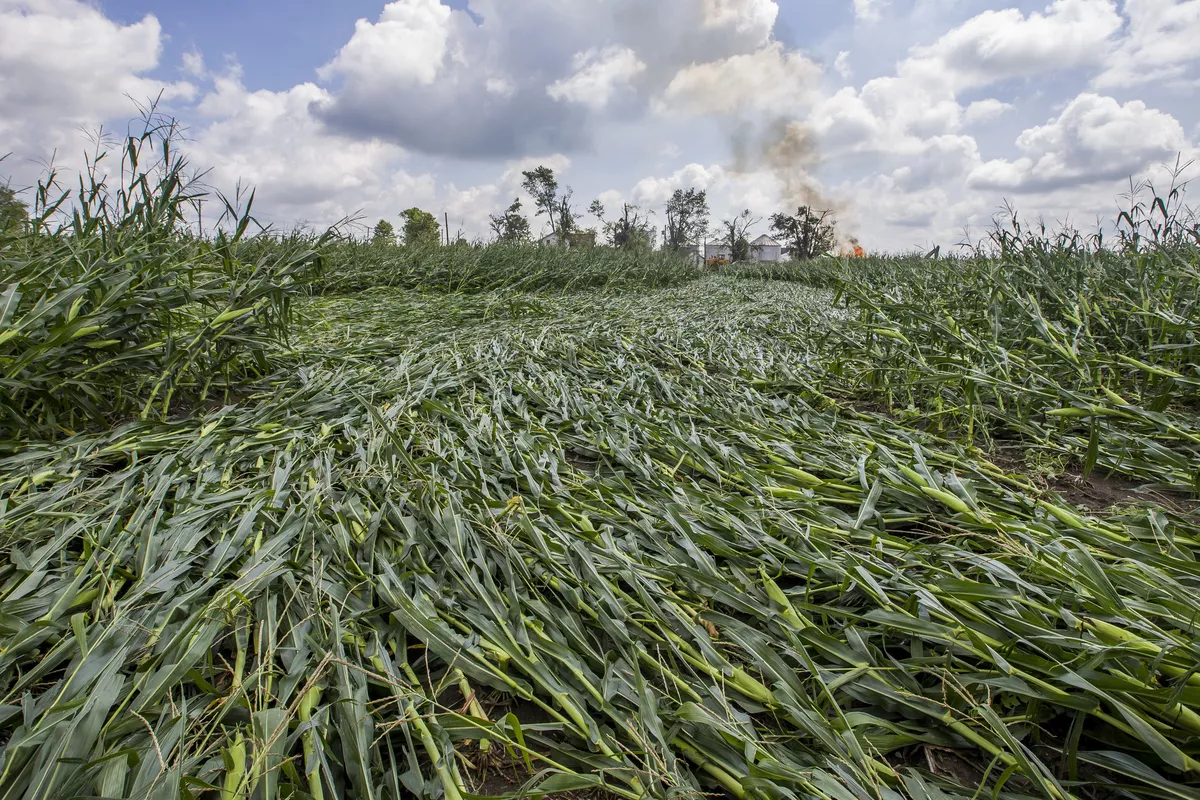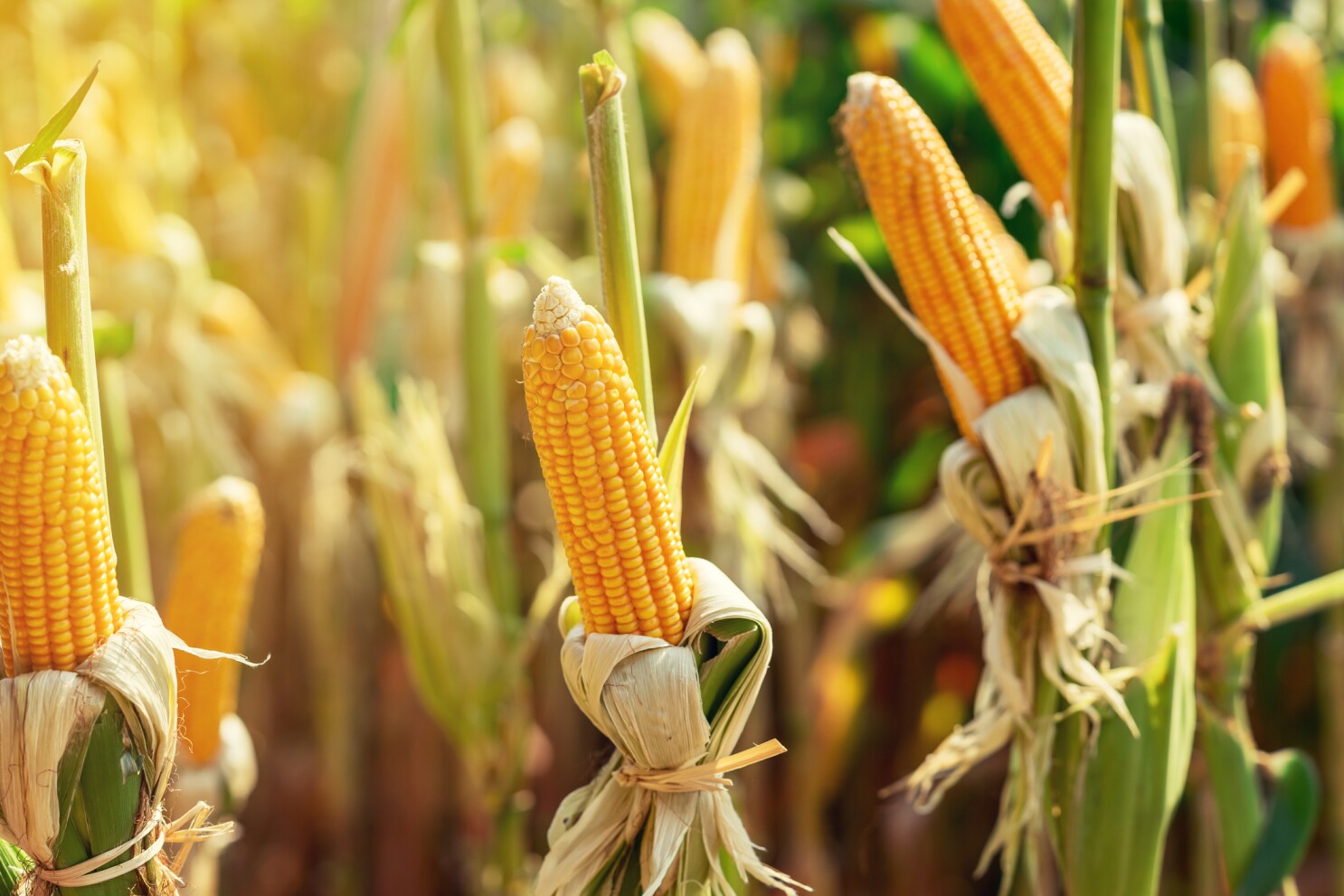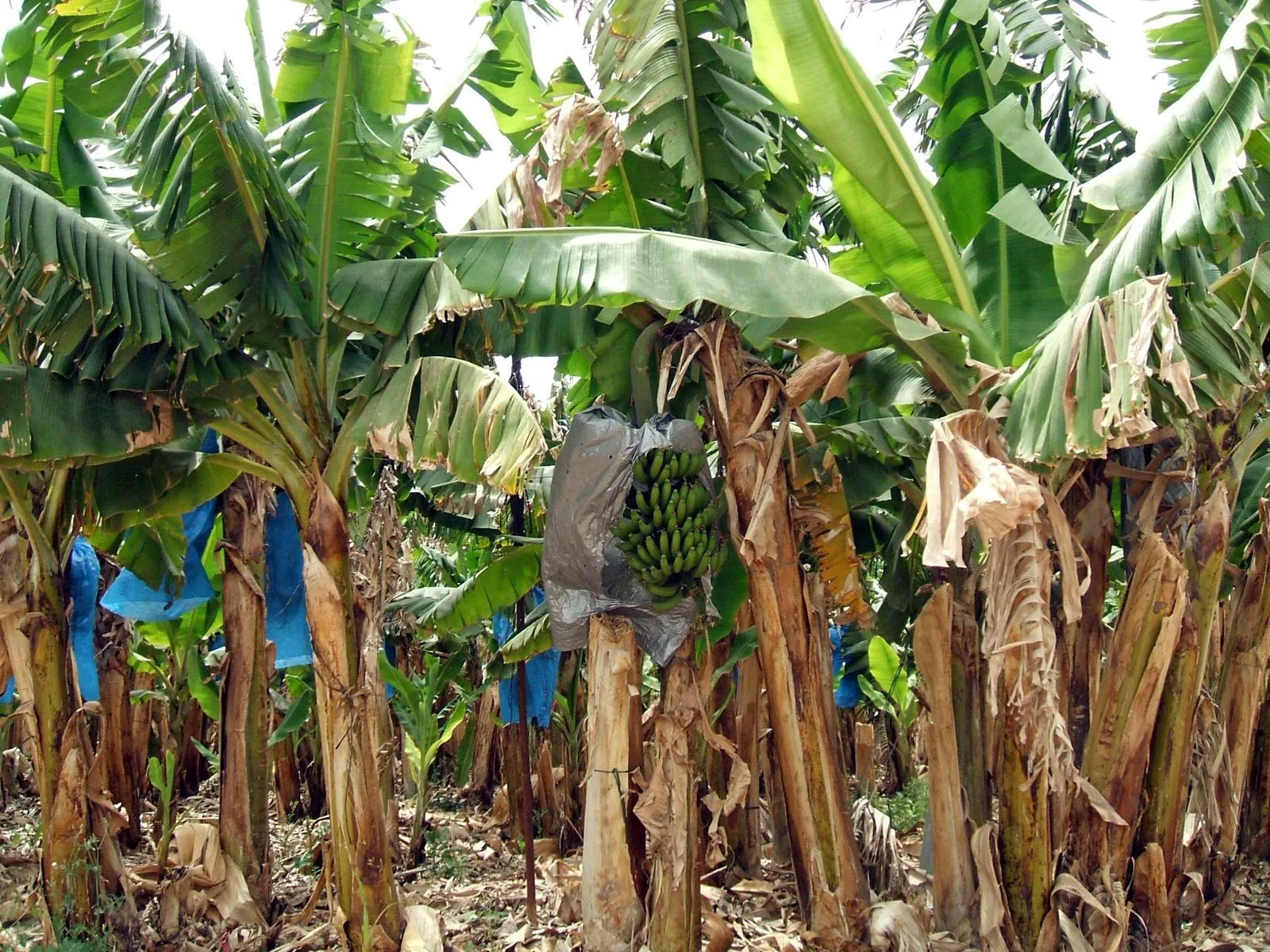
Lurking inside the crops of banana-producing-areas in east and central Africa is a disease called Banana Xanthomonas Wilt (BXW)—and new modeling by researchers from the Alliance of Bioversity International and CIAT has shown that if left uncontrolled, this bacterial disease could cause a 55% reduction in banana production in newly affected regions within 10 years.
According to Food and Agriculture Organization of the United Nations (FAO) statistics, Africa south of the Sahara (SSA) produces about 50 million tons of banana per year, that is, about a third of global production and covering more than seven million hectares (60% of global growing areas)
BXW, a disease caused by the bacterium Xanthomonas vasicola pv. musacearum (Xvm), is the most widespread bacterial disease in Africa and it has been characterized as one of the four most important emerging infectious diseases of crop plants in developing countries.
In a new paper, "The potential impact of banana Xanthomonas wilt on food systems in Africa: modeling scenarios of policy response and disease control measures", published in Frontiers in Sustainable Food Systems, the researchers modeled three scenarios of BXW spread based on assumptions about the level of response by governments and farmers: two where the steps are not taken fully (the slow and limited scenario) and one where they are not taken at all (the zero scenario).
The researchers have estimated that in the next 10 years, if the disease is not controlled and spreads across the whole region, the economic damage from BXW is expected to reach 25 billion USD and almost 40% of this cost is projected to be borne by consumers in the region.
According to Athanasios Petsakos, an agricultural economist at the Alliance of Bioversity International and CIAT and first author of the paper, even a limited policy response can reduce infections and mitigate some of the production, economic, and food security consequences of the disease.
"If BXW is not controlled the disease can be catastrophic, so farmers should be worried," he says, "However, we went one step further: we modeled what would happen if the disease also spread to every other country in Africa south of the Sahara, where it is not currently present."
Petsakos explains that if the reaction from governments and farmers to an outbreak is quick and effective, the damage is "almost zero," but unfortunately a quick and effective response isn't always the case.
Combining modeling and agricultural know-how
According to Petsakos, integrated modeling that combines economic and disease models can provide more accurate estimates of the impacts on both producers (from yield losses) and consumers (from price increases from food scarcity).
"The reason is that production shocks (like from a disease) do not manifest only in terms of yield losses but affect significantly consumers due to food price changes, and other sectors of the economy (though not modeled in the paper)," he says, adding that if researchers do not account for all these elements, including food security aspects, policy makers may severely underestimate the impacts of the disease on society at large.
"Although mobilization campaigns to raise awareness and train farmers to manage the disease can be expensive, the damage to producers and consumers due to inaction is so much higher that really there is no option," Petsakos says.
Guy Blomme, a co-author of the study and senior scientist at The Alliance of Bioversity and CIAT, explains that he and colleague Walter Ocimati provided expertise in BXW control methods, modes of disease spread, current geographical spread, disease fronts, and historical application of control strategies in endemic countries.
"BXW is easy to manage when the control options are rigorously applied,"
Blomme says, adding that successful approaches used for a similar bacterial disease called Moko in Asia and Latin America provided a model for approaching BXW.
"Garden tool sterilization, early male bud removal using a forked wooden stick to prevent insect-vectored transmission, and diseased mat uprooting were introduced in, for example, Uganda and these approaches proved to be effective for BXW."
An additional, highly effective, simple-to-apply and low-cost technology, the Single Diseased Stem Removal [SDSR] was developed specifically for BXW.
Future policy implications
Petsakos explains that the modeling from the researchers showed the consequences if the necessary steps to control the disease are not taken fully.
Both Blomme and Petsakos emphasized that the modeling makes it possible for policy-makers across the region to adopt these findings in order to ensure the containment of the disease,
"The graphs in the paper clearly show the range of expected impact according to different policy and training scenarios and this information is crucial for decision makers," Blomme said. "Both Uganda and Rwanda have been very proactive in applying control strategies and these countries are perfect examples of how policy and decision makers should approach this biotic constraint."
Source - https://phys.org