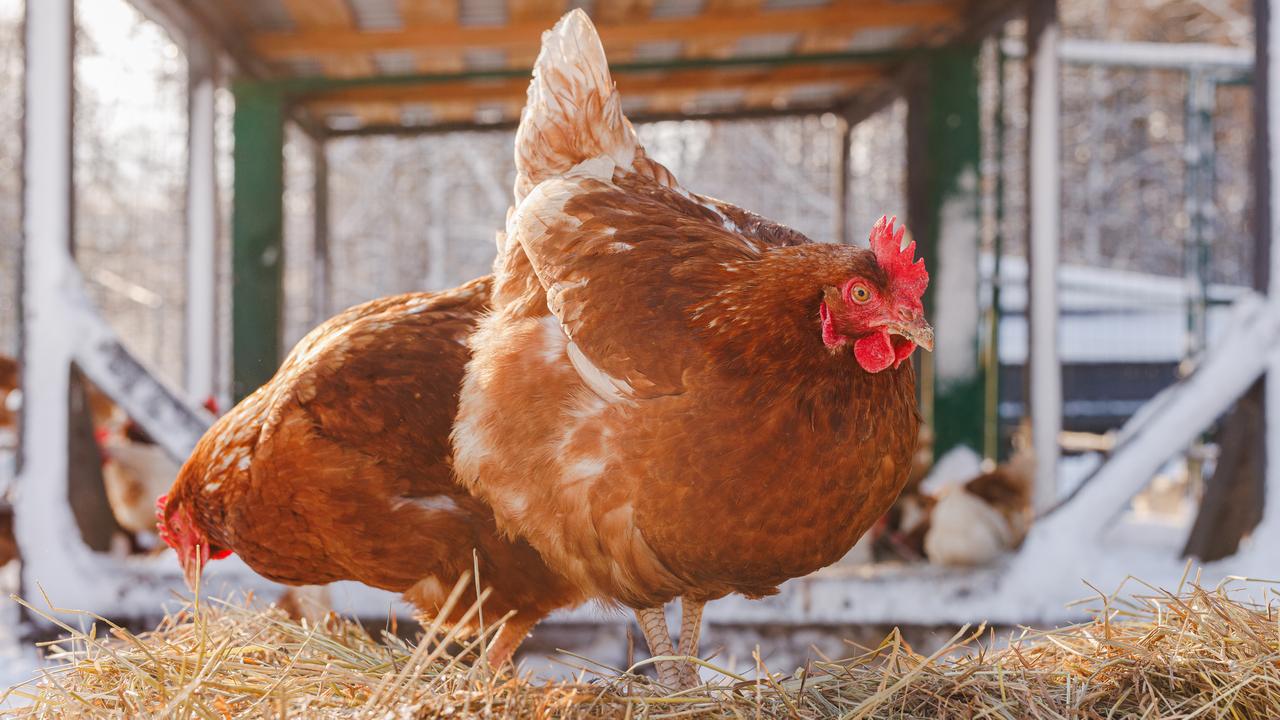
A Scotland-wide Avian Influenza Prevention Zone (AIPZ) has been introduced following an increase in cases of bird flu in wild and kept birds.
The zone came into force at 12 noon on Tuesday, November 10, making it a legal requirement for all bird keepers in Scotland to follow strict biosecurity measures to protect their flocks.
The move follows an assessment that the risk of avian influenza spreading to poultry and other captive birds is very high, with the highly pathogenic virus circulating in wild birds across the UK.
There have been six confirmed cases in kept birds in Great Britain so far this season, which runs from October to April. Two of these have been in Scotland, involving a backyard flock on the Isle of Lewis and an egg producer in the Scottish Borders. A further four cases have been recorded in England.
Since October 21, nine of 65 dead wild birds tested in Great Britain have been found to have avian influenza. Eight were in Scotland, 56 in England and one in Wales.
There has also been an increase in poultry outbreaks across Europe in recent weeks, including in Belgium, Germany and Norway.
Scotland’s chief veterinary officer, Sheila Voas, said the zone had been introduced as a precaution following the increased risk of the virus arriving with migratory birds.
She said: “While the risk to public health is very low, we are currently experiencing a heightened risk of an incursion of this virus from migratory birds and so it is vital that appropriate precautions are taken to protect poultry and other captive birds from infection.
“The introduction of this zone is a preventative measure, aimed at minimising the impact this often devastating virus can have on Scottish kept birds.
“Maintaining strict biosecurity is the most effective method of protecting birds from the virus.”
Public Health Scotland has advised that the risk to public health remains very low, while Food Standards Scotland has said the food safety risk to consumers is also very low.
Properly cooked poultry and poultry products, including eggs, are safe to eat.
What bird keepers need to do
The new prevention zone means all bird keepers in Scotland must:
- Keep free-ranging birds within fenced areas, with ponds, watercourses and permanent standing water also fenced off, except in certain circumstances such as zoo birds.
- Clean and disinfect footwear and keep areas where birds are kept clean and tidy.
- Minimise movement in and out of bird enclosures.
- Clean and disinfect concrete areas to reduce contamination and fence off wet or boggy areas.
- Keep domestic ducks and geese separate from other poultry.
- Make areas where birds are kept less attractive to wild birds, including netting ponds and removing food sources.
- Feed and water birds in enclosed areas to discourage wild birds.
Keepers should familiarise themselves with the Scottish Government's avian influenza guidance at www.gov.scot/avianinfluenza and report any suspicion of disease to their local APHA Field Services Office.
The prevention zone will remain in place until further notice and will be reviewed regularly.
Reporting dead wild birds
People are advised not to touch or pick up dead or visibly sick wild birds, as they can carry diseases that are infectious to humans.
In Great Britain, dead wild birds should be reported if five or more birds of any other species are found together, or if a single dead bird of prey, swan, goose, duck or gull is found.
Source - https://www.thescottishfarmer.co.uk