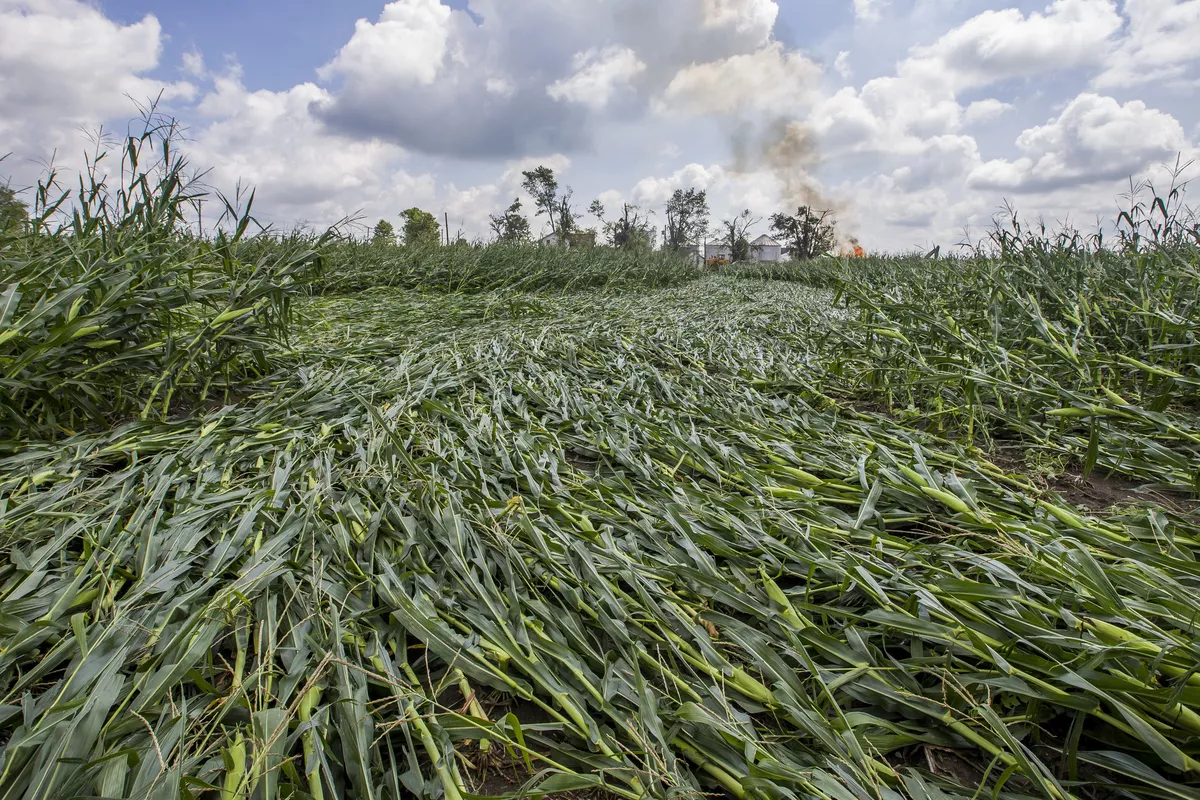
A study published Tuesday in Nature Communications is sounding the alarm that the risk of simultaneous crop failure in important food-producing regions around the world has been largely underestimated.
Such an event could threaten the world’s food supply, cause price spikes and even lead to civil unrest, warns the paper’s lead author.
Researchers looked at observational and climate model data between 1960 and 2014, and then at projections for 2045 to 2099, and found that computer models may have blind spots when assessing how likely such a scenario could be.
By “increasing the concentration of greenhouse gases, we are entering this uncharted water where we are struggling to really have an accurate idea of what type of extremes we’re going to face,” said Kai Kornhuber, an adjunct professor at Columbia University who led the study.
The researchers specifically looked at how meandering jet streams, or bands of air currents that keep weather systems moving across Earth’s surface, could trigger synchronized crop failures around the world.
Jet streams don’t just flow nicely in one direction; sometimes they buckle and meander like rivers — something scientists believe is getting worse with climate change. When contortions happen, this can cause pockets of high-pressure weather systems like heat domes, which “block” low-pressure systems like clouds and rain from moving in.
In short, meandering jet streams can cause persistent and extreme weather patterns, like heat waves that seem to go on forever or long stretches of bitterly cold weather. And these extreme weather events can happen simultaneously in different areas along the jet stream.
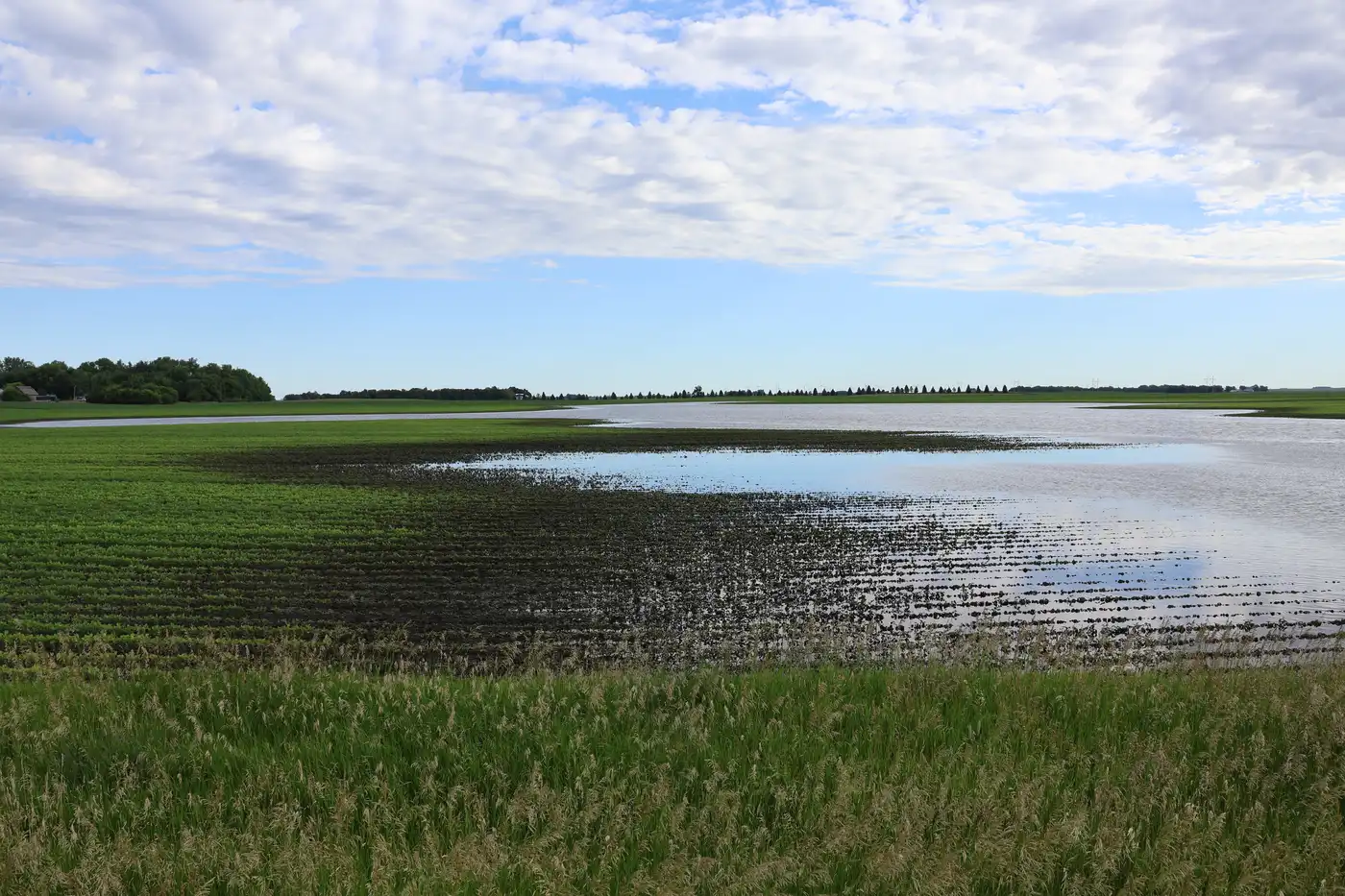
The researchers found that meandering jet streams have been linked to simultaneous crop failures in the past. For instance, in 2010, contortions in the jet stream were linked to extreme heat in Russia and devastating floods in Pakistan, which hurt crop yields in both areas.
While climate models were accurate at simulating atmospheric patterns in the jet stream, the researchers found, they were much less effective at translating that data into predicting surface weather events and how that would negatively impact crops.
Kornhuber said the study should be “a wake-up call in terms of our uncertainties” about how climate change will impact the food supply, as extreme weather events become more intense and frequent.
“We need to be prepared for these types of complex climate risks in the future and the models at the moment seem to not capture this,” he said.
When the research team looked at projections for crop losses in bias-adjusted models, they found key agricultural areas in North America, Eastern Europe and East Asia could see crop yields fall by up to seven percent under a meandering jet stream — and that global food production could fall by three per cent.
The paper warns that countries that rely heavily on imported food would fare the worst if crops fail simultaneously around the world.
Canada is the fifth largest food exporter in the world, but also the sixth largest food importer. In particular, we heavily rely on imports of fresh fruits and vegetables.
Developing countries are also at a heightened risk when global food production slows. The World Bank found that rising food prices in 2021 were a major factor in pushing about 30 million additional people toward food insecurity in developing nations.
Source - https://globalnews.ca