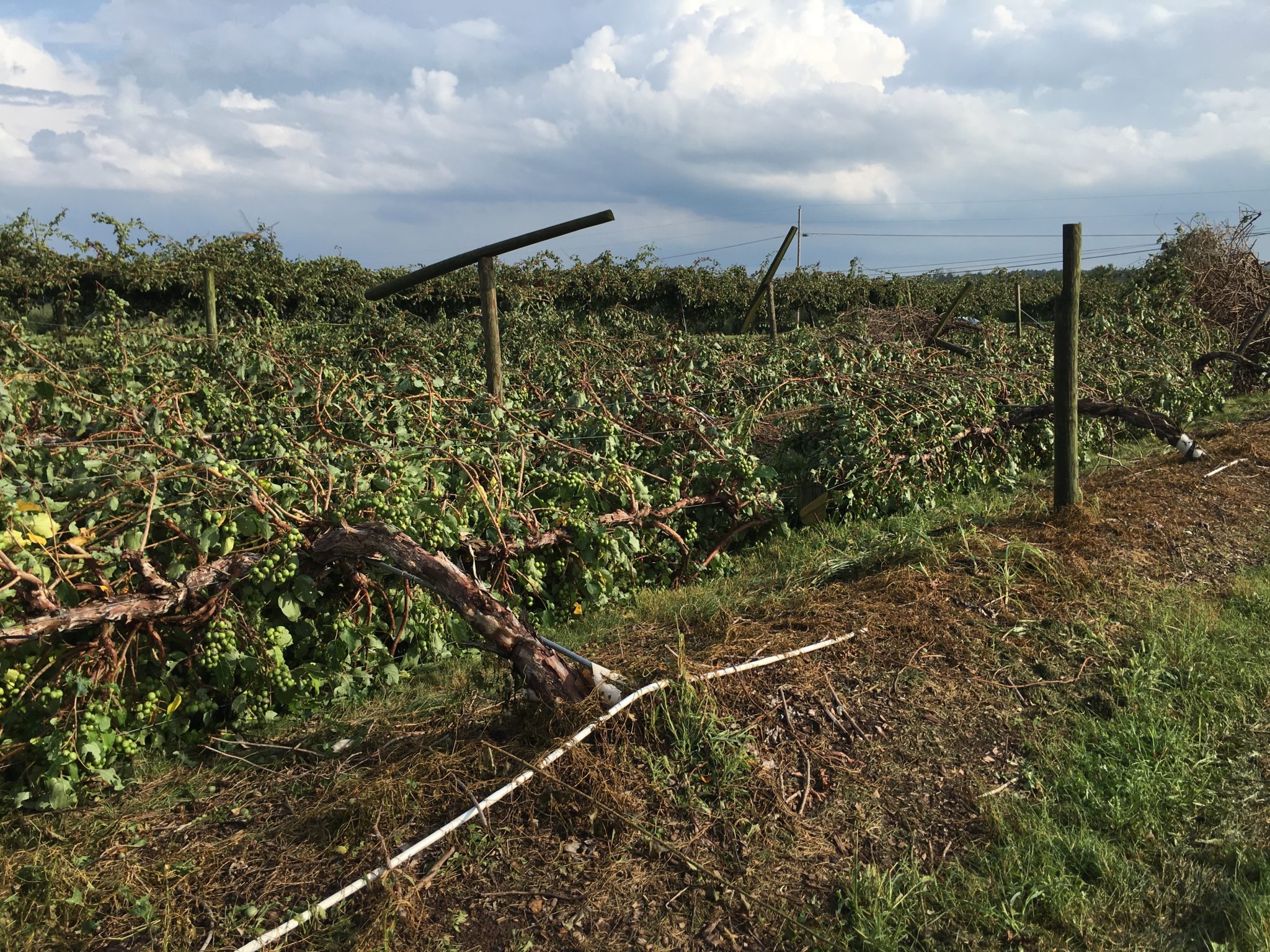
Last year, Slovenia's agricultural sector faced severe financial losses due to adverse weather conditions, with the government confirming a collective damage toll exceeding EUR 88 million. Frost, storms, and floods were the primary culprits, wreaking havoc across the country and presenting a stark reminder of climate change's impact on agriculture.
Breaking Down the Damage
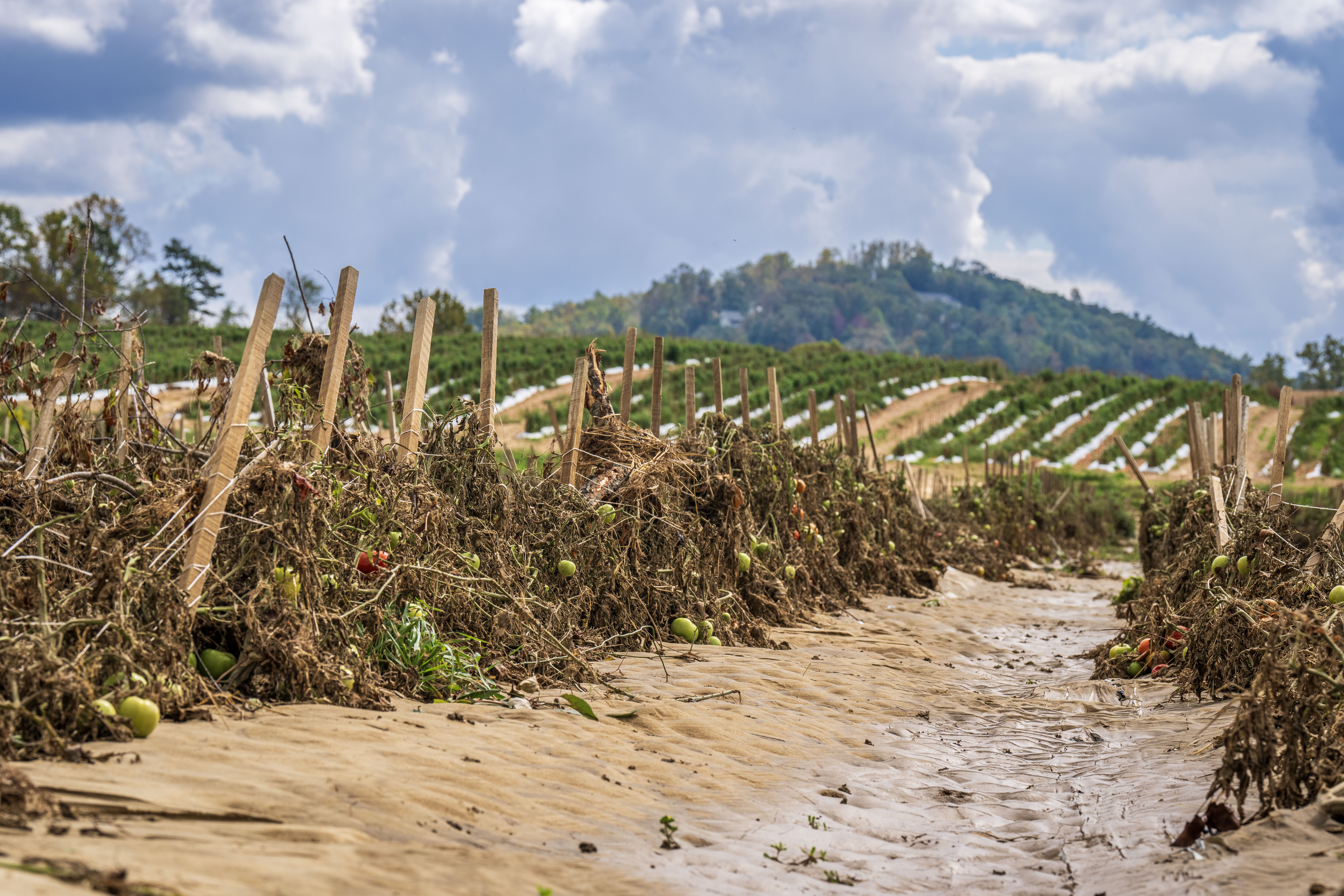
Frost in early 2024 caused EUR 25.1 million in damage, significantly impacting crop yields. The situation worsened as storms added another EUR 44.53 million to the bill, followed by August floods that led to EUR 18.74 million in losses. These events underscore the vulnerability of the agricultural sector to extreme weather, a concern that is becoming increasingly prevalent globally. Research from typeset.io and Forbes highlights similar challenges faced by other regions, emphasizing the broader implications of climate change on food systems.
Comparative Analysis with Global Trends
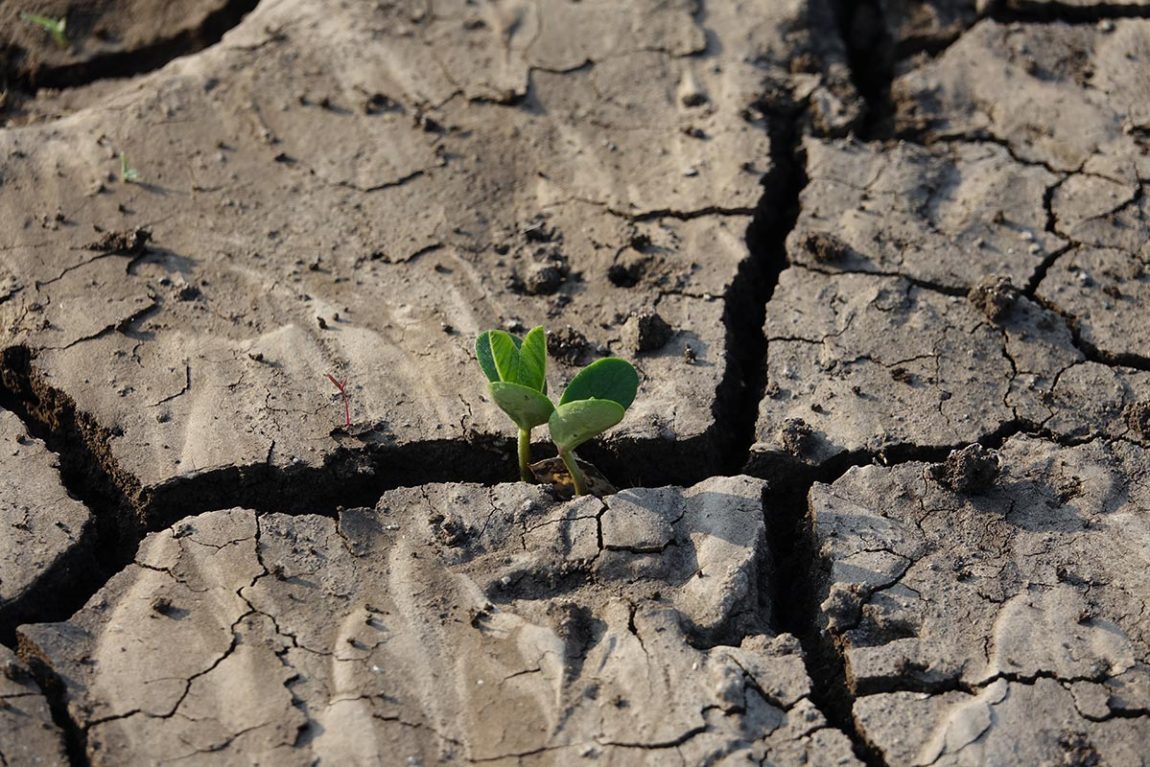
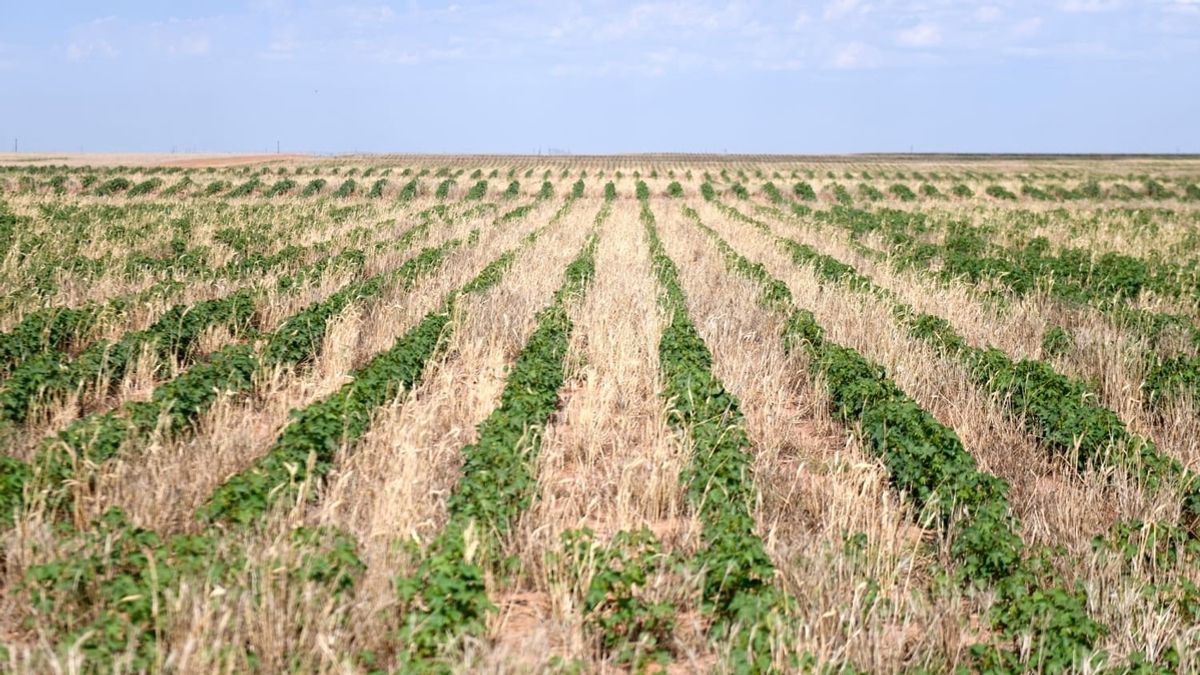
The damage in Slovenia mirrors challenges faced worldwide, with the Caribbean and Latin American regions suffering immense agricultural losses due to climate-induced weather events. The reliance on agriculture as a livelihood means that such events can have devastating impacts on the economy and food security. Studies, such as those published in Crop Science, show that crops like corn can suffer yield losses ranging from 5 to 100% due to weather stresses, emphasizing the need for resilient agricultural practices and policies.
The Road Ahead
As Slovenia grapples with the aftermath of last year's weather calamities, the focus shifts to mitigating future risks and enhancing the agricultural sector's resilience. This includes investing in research for climate-resistant crops, improving infrastructure to withstand extreme weather, and revising agricultural policies to provide better support for farmers. The events of the past year serve as a critical wake-up call, illustrating the pressing need to adapt our food systems to the realities of climate change.
The financial toll of EUR 88 million on Slovenia's agricultural sector is more than a statistic; it's a stark reminder of the urgent need for action. As we move forward, the lessons learned from these challenges must inform a more resilient and sustainable approach to agriculture, not just in Slovenia but around the world.
Source - https://bnnbreaking.com