Biostimulants are gaining global attention as agriculture looks for ways to improve crop resilience, nutrient efficiency and stability. However, while adoption is accelerating internationally, significant opportunities remain for wider use in South Africa – particularly in the grain sector.
The role of biostimulants in crop systems was also a key theme at the recent National Grain Research Platform Annual Meeting at the University of Pretoria’s Future Africa campus, where scientists and industry specialists examined how advances in plant science could accelerate adoption in grain production as well as many other important agricultural topics.
According to Venessa Moodley, Biologicals Lead at Omnia Nutriology®, biostimulants are becoming an increasingly important tool as farmers face growing pressure to produce more with fewer resources.
“Globally, agricultural systems are under increasing pressure from regulatory changes, environmental constraints and the need for greater efficiency,” says Moodley. “Biostimulants offer an important opportunity to improve plant resilience and nutrient use efficiency while supporting more sustainable production practices.”
A rapidly expanding global market
The global biostimulant market is expanding rapidly, with growth estimated at around 11 percent annually. This growth is largely driven by regulatory pressure and the increasing demand for sustainably produced food.
Despite this momentum, adoption is not yet keeping pace with the technology’s potential. Limited farmer awareness, uncertainty around feasibility and lengthy regulatory approval processes continue to slow progress.
“Overcoming these barriers will be critical if the sector is to unlock its full value,” Moodley explains. “Greater awareness, stronger scientific validation and clearer regulatory pathways will all play an important role in supporting broader adoption.”
Europe currently accounts for around 38 percent of the global biostimulant market, supported by policy frameworks such as the EU Green Deal, which targets a significant reduction in nutrient losses. By comparison, the Middle East and Africa account for just 4 percent of the market.
Opportunity in South Africa’s grain sector
Within the Middle East and Africa region, South Africa represents an estimated 12% of the biostimulant market, suggesting strong potential for growth.
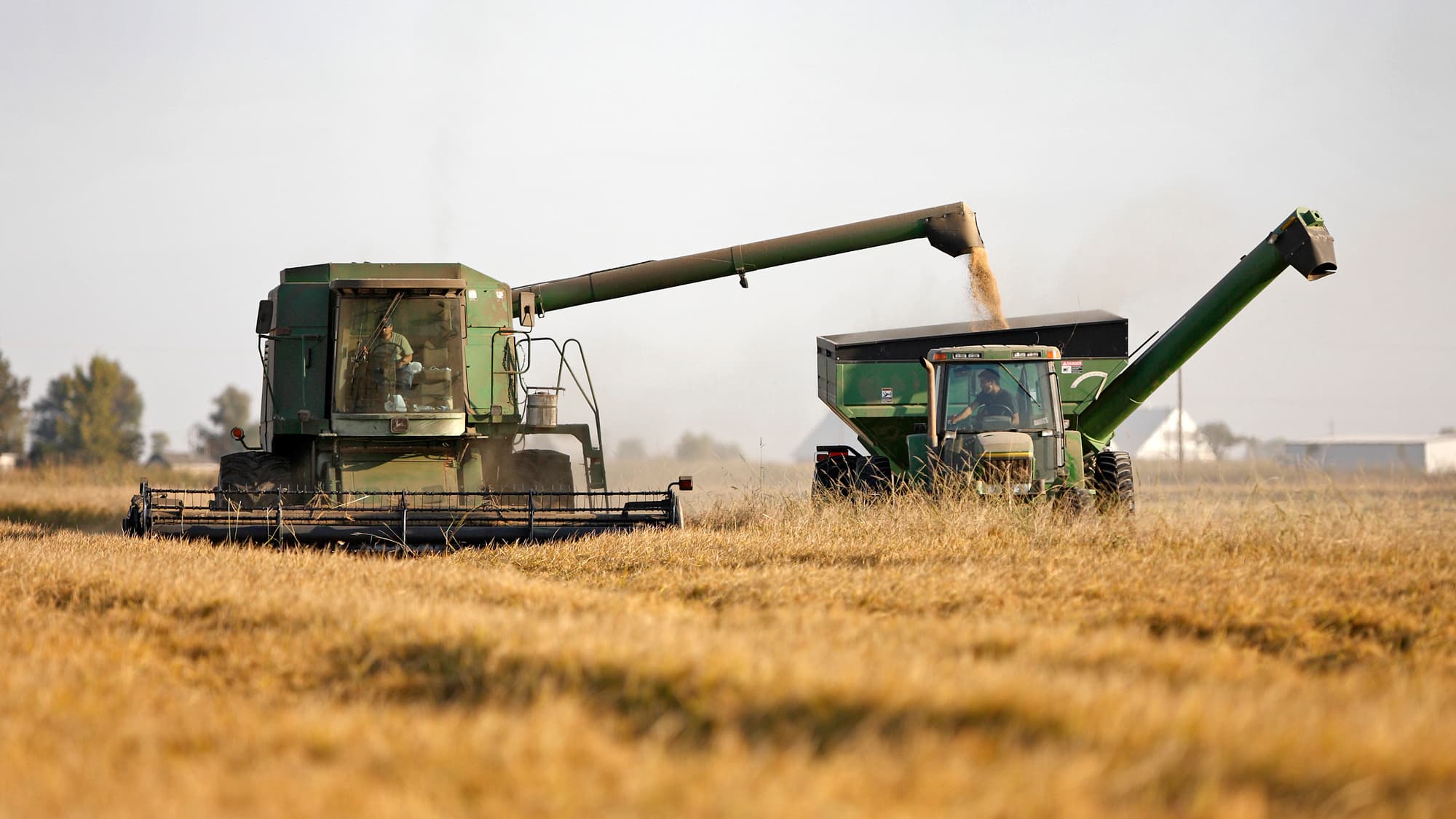
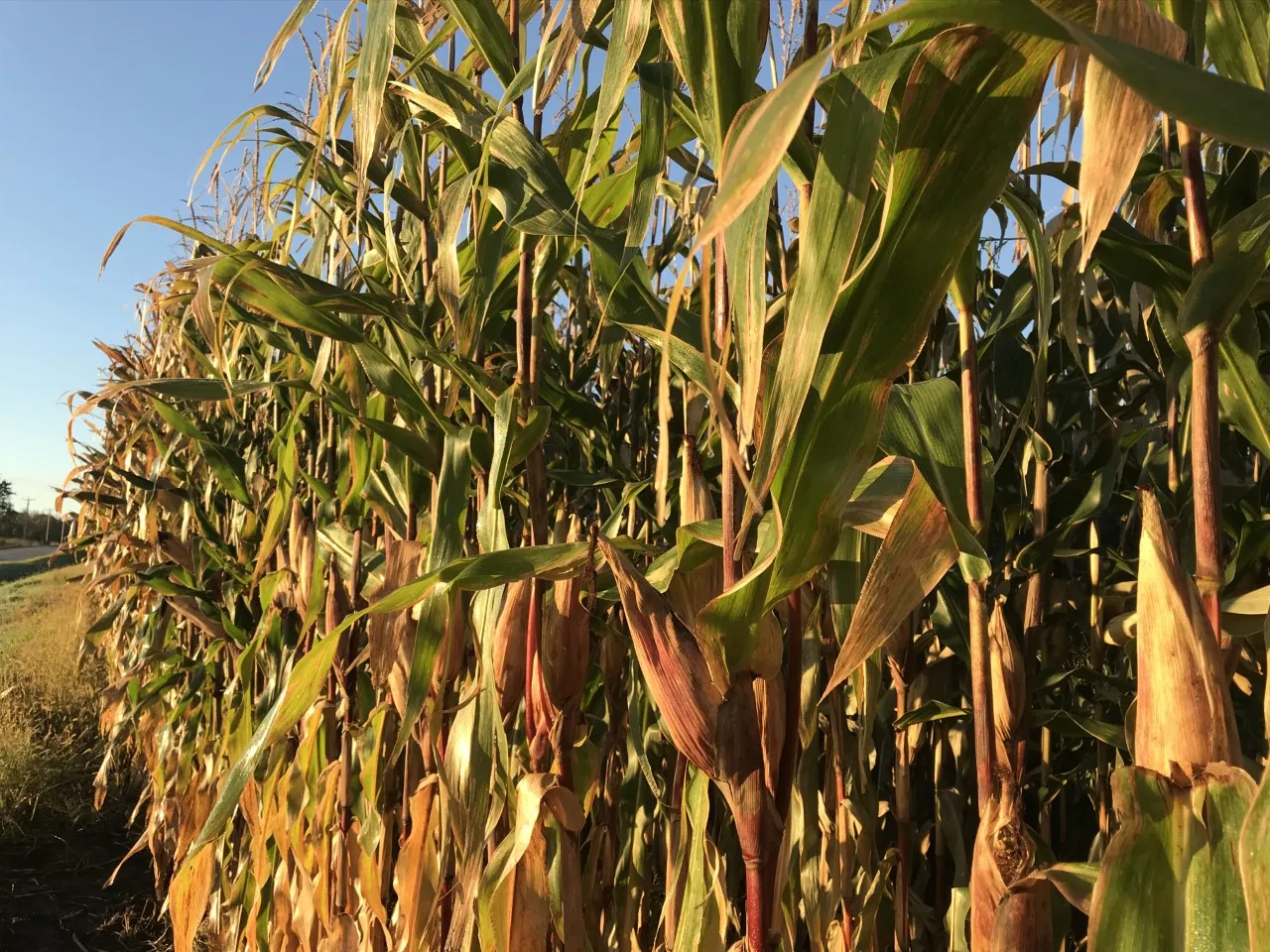
Globally, fruits and vegetables account for about 51 percent of biostimulant use, while grains represent just 27 percent. “Affordability and integration into existing application systems remain key barriers in the grain sector,” Moodley explains. “Addressing these constraints will be essential to drive wider adoption.”
Moving toward precise, science-driven solutions
The sector is also shifting from broad formulations toward more scientifically defined technologies. “For many years, products in this space were characterised by broad and often poorly defined compositions,” says Moodley. “The industry is now moving toward solutions with clearer compositions, stronger scientific validation and better integration into grower programmes.”
She says that understanding plant stress responses is central to this progress. “By analysing the metabolite profiles of plants under stress, researchers can gain valuable insight into how crops respond to environmental pressures and develop more targeted biostimulant solutions,” she explains.
Moodley adds that biostimulants must be applied within the broader context of soil health and farming solutions. “A holistic understanding of soil constraints allows these technologies to be applied more precisely, ensuring they deliver value where they can have the greatest impact.”
Looking ahead, stronger collaboration across the agricultural value chain will be key. “To accelerate innovation, we need closer collaboration between researchers, industry and farmers, and shorter pathways between scientific discovery and on-farm application,” says Moodley.
Source - https://farmersreviewafrica.com