South Africa - Blueberry industry faces significant challenges

22.11.2023 1016 views

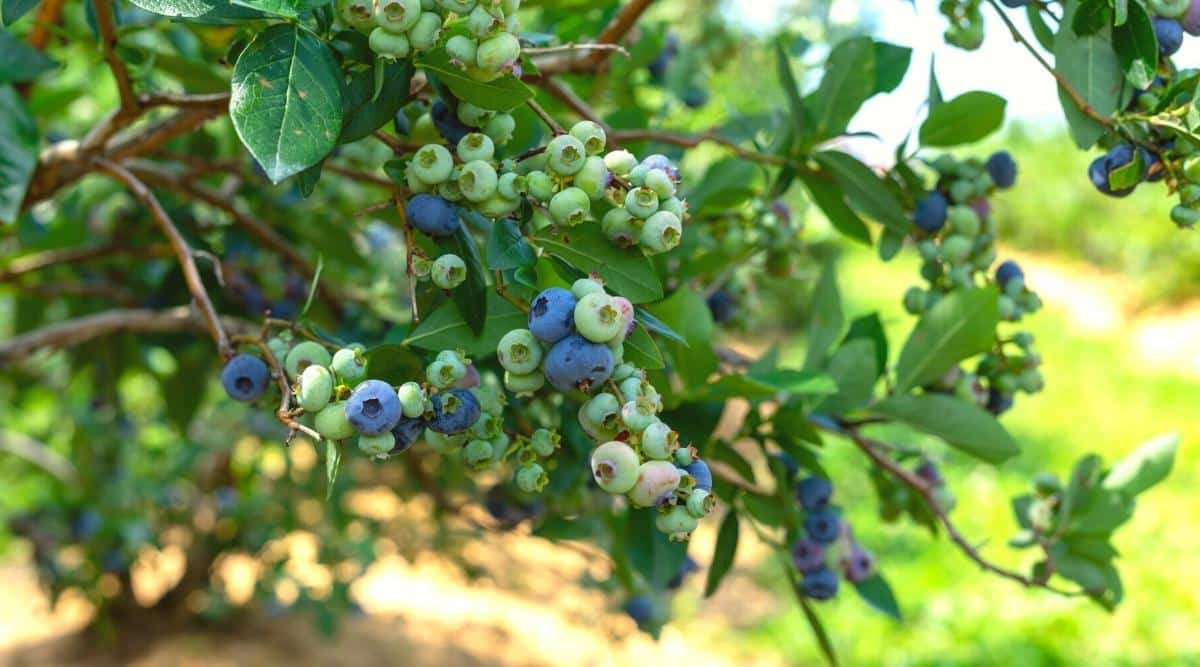
South Africa's burgeoning blueberry industry is encountering significant challenges due to weather disruptions, port delays, and power outages, while neighboring countries like Zimbabwe are rapidly expanding their blueberry production.

Delays in ports are negatively impacting the industry, leading to rejections of produce due to late arrivals and compromised fruit quality. The inefficiencies in the shipping process result in financial losses for local producers. Load shedding, or scheduled power outages, is also contributing to challenges by increasing production costs, particularly the cost of diesel needed to power generators for cold storage.

Nosindiso Pepu, junior production manager at Indigo Berries, explained that without backup generators, the quality of blueberries can be severely affected. Fruit that is not immediately cooled to the required temperature may experience quality issues, impacting its firmness, shelf life, and susceptibility to mold. This compromises the fruit's adherence to international quality standards and hinders its marketability.

Pepu emphasized that the challenges faced by the blueberry industry, including job losses and downsizing of companies or farms, are influenced by factors such as port delays and power cuts. The situation highlights the vulnerability of the industry and its economic impact.

Despite challenges, Elzette Schutte, manager at Berries ZA, noted that different weather patterns across the country have affected blueberry production, with flood issues in the Western Cape causing losses. However, she indicated that the ongoing blueberry season, which runs from June to January, has been fairly good overall.

Uzair Essack, a fruit exporter and managing director at Riyp, expressed optimism that South Africa will continue to produce good-quality blueberries, particularly due to favorable produce from the Western Cape. While challenges persist, industry stakeholders remain hopeful about the sector's resilience and potential for ongoing success.

Source - https://www.freshplaza.com

02.09.2026

Philippines - Bayambang declares state of calamity over P31-M agricultural losses

The municipal council of Bayambang has placed the town under a state of calamity after Tropical Storms “Luis” and “Maymay” and the enhanced southwest monsoon, or habagat, caused more than P31 million in agricultural losses.

02.09.2026

USA - Lynndyl farmers assess crop losses after 100 mph winds and hail

Farmers in and around Lynndyl are beginning to assess severe losses after a powerful weekend storm ripped through fields with destructive winds and hail just as some crops were nearing harvest.

02.09.2026

USA - New Insurance for Breeding Heifers

New LRP Coverage Aims to Reduce the Risk of Retaining Heifers for Breeding.

02.09.2026

Corn's $6 Surprise Could Change the Profit Math for U.S. Farmers

Corn may already be worth more than the board suggests as farm payments and incentives add about 52¢ per bushel to producer revenue.

02.09.2026

Philippines - Iloilo turns over P10M for farm, fishery insurance

The Iloilo provincial government has turned over P10 million to the state-owned Philippine Crop Insurance Corp. (PCIC) to expand insurance protection for farmers and fisherfolk vulnerable to losses from El Niño, La Niña, typhoons, pest infestations and other calamities.

02.09.2026

India - AP sees 1,263% rise in non-loanee crop insurance

The State witnessed a remarkable 1,263% jump in non-loanee farmer registrations, with their participation rising from 2 lakh in the previous Kharif season to 25.26 lakh farmers this year.

01.09.2026

South Africa - Grain SA calls for affordable crop insurance as dry weather threatens Swartland wheat

Severe rainfall shortages threatening the Swartland wheat crop have highlighted the need for government support to make crop insurance affordable for dryland producers.

01.09.2026

USA - Florida farms face nation’s highest disaster loss rate

Natural disasters destroy billions of dollars in U.S. agricultural production each year. From drought and wildfires in the West to hail in the Midwest and hurricanes in the Southeast, farms lose an average of $5.1 billion in crops and livestock annually, according to the Federal Emergency Management Agency.