KwaZulu-Natal farmers and agricultural organisations are escalating pressure on the state over the uncontrolled spread of foot-and-mouth disease (FMD), warning that vaccine shortages and bureaucratic delays have left the province on the brink.
With outbreaks surging and losses mounting, options now being actively pursued include a push for a provincial state of disaster, court action, and a protest march in Mooi River this week.
As FMD tears across South Africa — with KZN among the hardest hit — farmers say they are at their wits’ end trying to access sufficient vaccine and argue that the state’s control of imports is blocking urgent intervention.
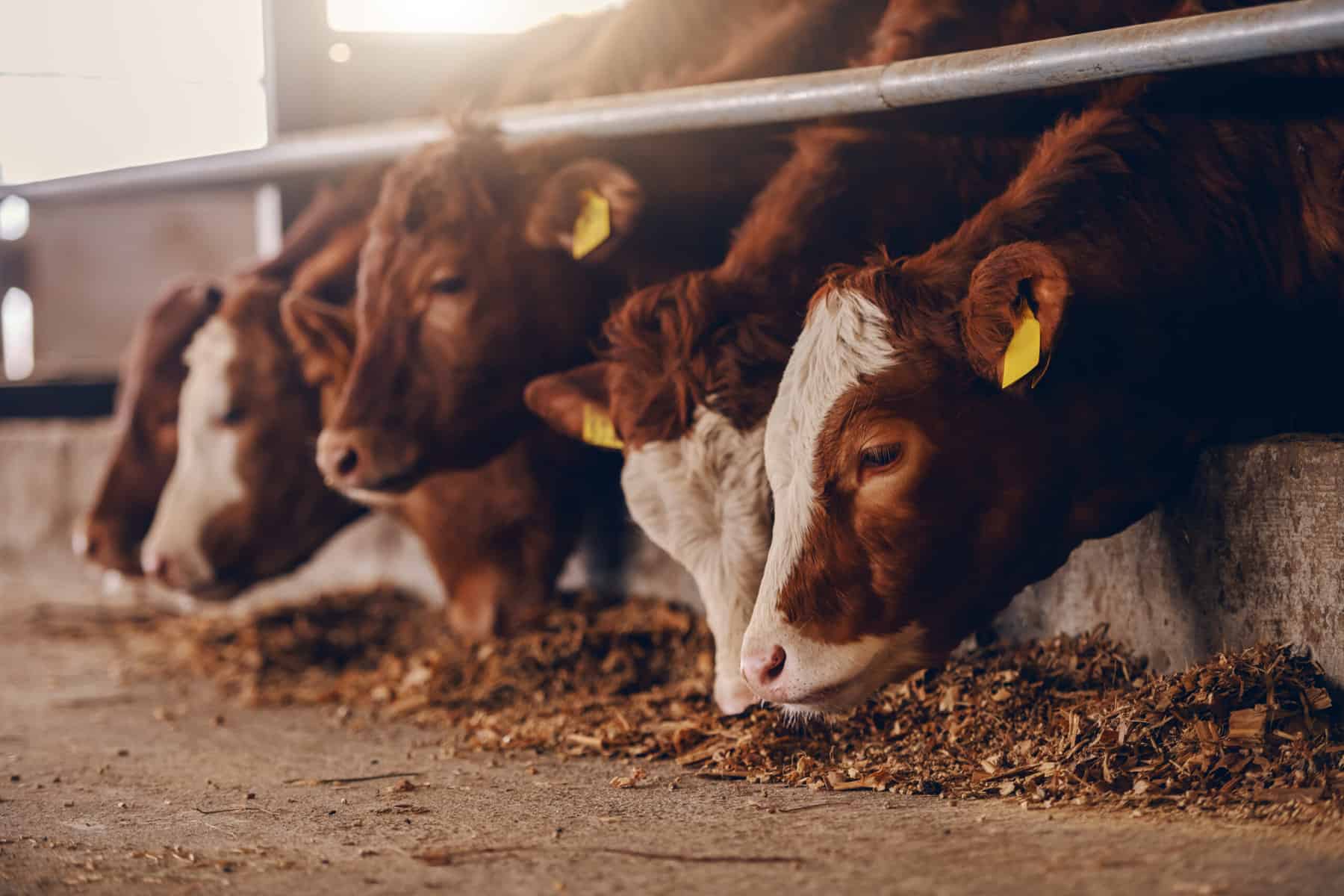
The disease has caused widespread suffering among cloven-hoofed animals — primarily cattle, with pigs now increasingly affected — resulting in deaths, mass culling, discarded milk due to mastitis, and severe strain on both commercial and subsistence farming operations.
Consumers, farmers say, are already feeling the knock-on effects through rising food costs.
While the state controls the importation of FMD vaccines and has sourced doses from the Botswana Veterinary Institute (BVI), farmers argue the state lacks the capacity to roll out vaccinations at scale.
They say supplies are inadequate, and that cattle are often reinfected within three months of inoculation.
The Department of Agriculture said it is the only vaccine that matches the strains.
Producers say they are desperate for alternative vaccines — from any source — and that many are willing to pay for them, provided the state grants approval.
James Martin, general manager for project development at the uMgungundlovu Economic Development Agency (Umeda), said limited agricultural autonomy would allow KZN to import vaccine directly, without waiting for national approval.
Farmers have pinned hopes on Dollvet, a vaccine from Türkiye. However, Martin explained that procurement requires circulating field strains to be sent to the Pirbright Institute laboratory in London to ensure compatibility.
The institute is the World Reference Laboratory for FMD, where samples are tested to determine virus serotype and genetic makeup.
“We in KZN would be able to set up our own testing facilities at Allerton (in Pietermaritzburg) and not have to wait for Pretoria to send to London,” said Martin.
“As a province we could procure.”
The Milk Producers’ Organisation (MPO) last week instructed its legal team to prepare a high court application to compel the state to implement appropriate control measures.
Chairperson Luke Gibbs told members in a circular:
Londzi Ngubane of the community non-profit organisation Mpofana Yethu said a community march would take place in Mooi River once permission was granted by police and the Mpofana Municipality.
She said poorer farmers and farm workers had suffered immensely, often only grasping the severity of the outbreak once their own animals were affected.
She also cited job losses and rising food prices as direct consequences of reduced farm production. Farmers, she said, had reported hundreds of thousands of litres of milk being discarded due to mastitis — a condition exacerbated by FMD.
According to unconfirmed reports, 1 200 pig deaths have occurred in the Winterton area.
While it is routine for countries to submit samples to the Pirbright Institute during outbreaks, the Department of Agriculture has confirmed that this has not yet happened.
“The department (ARC-Onderstepoort Veterinary Research) have not shared circulating strains to the Pirbright institute as expected of reference labs,” the department said in a written reply to questions from The Witness.
It added that Dolvett vaccines had not proven when tested in vitro.
“We will be importing the Dolvett vaccines for experimental purposes and to look into matching strains. We are to import any FMD vaccine that matches our circulating strains.”
Agriculturists told The Witness that strain-sharing had not occurred for years.
“Once the strain is isolated any laboratory in the world can make the vaccine for our strain,” said Emma Niland, dairy consultant and team leader for beef consulting at agricultural consultancy Intelact.
Mooi River farmer Carol Houston described the stresses brought about by the outbreak.
“Milk production has dropped at least 30 percent, costs have gone up by about six times. We start milking at 3.30am. Usually the teams are out by 7am, now they go at 10am or 11am. Milking then starts again 1.30. People cannot physically work that length of time. Now we need two (milking) teams.”
The Department of Agriculture said the unprecedented number of outbreaks had made containment difficult.
“We have always relied on Botswana Veterinary Institute (BVI) to supply vaccines. BVI underwent an annual shutdown at a critical time when we were experiencing many outbreaks.
The KwaZulu-Natal Agricultural Union (Kwanalu) said a vacuum of communication from responsible government officials was fuelling speculation, increasing risk to producers and severely undermining the economic sustainability of the industry.
Source - https://witness.co.za