

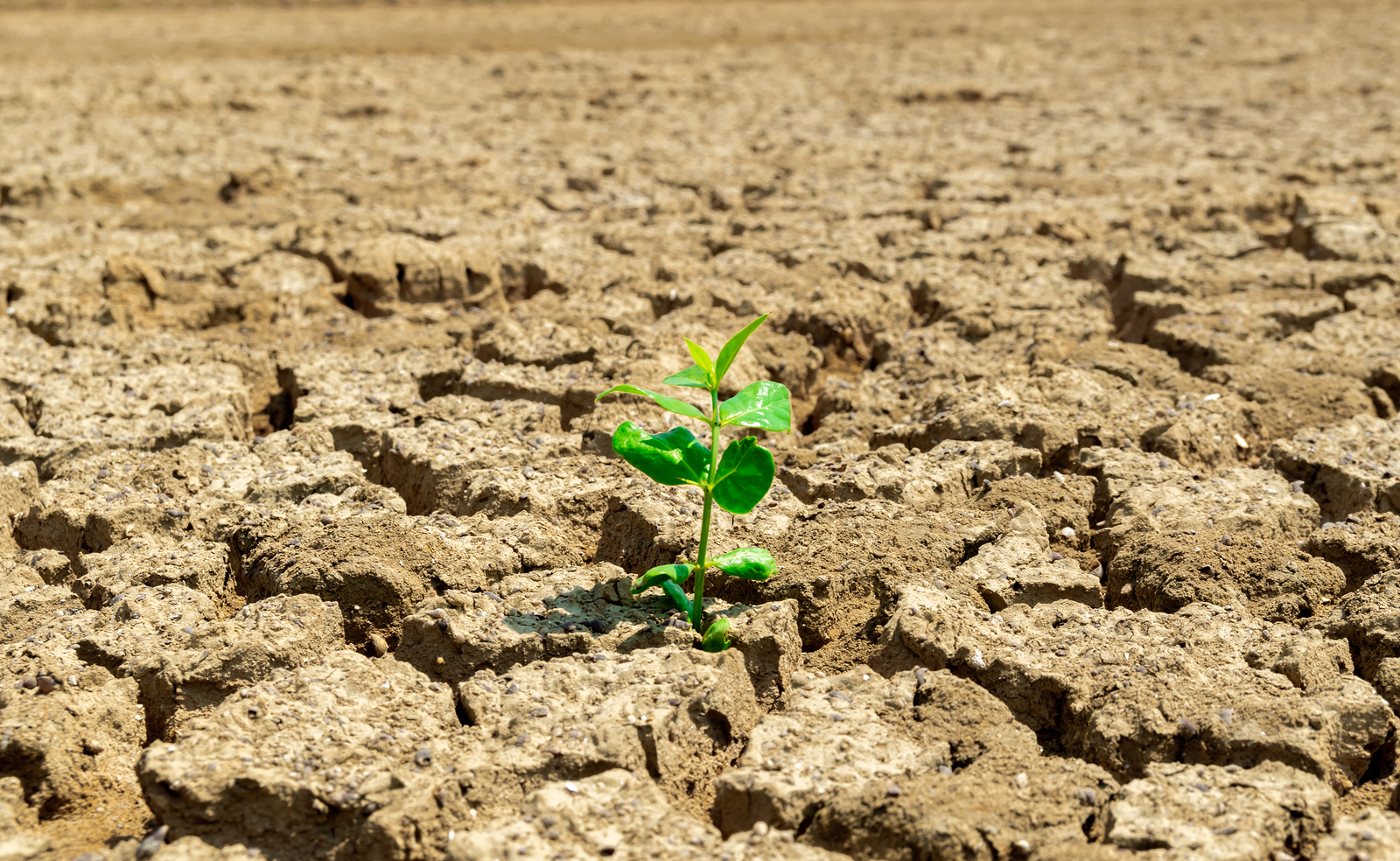
Rain-fed agriculture in South Africa will soon be under pressure due to a predicted decline in rainfall.
Despite South Africa experiencing severe rainfall over the last week – with numerous areas across the country flooded – South Africa is expected to enter El Niño weather patterns by the end of October 2023, bringing drier conditions across the country.
South Africa has experienced four years of above-average rainfall due to La Niña climate patterns, but this is expected to end by October 2023, according to Wandile Sihlobo, the chief economist at the Agricultural Business Chamber.
Speaking to eNCA, Sihlobo said that farmers may soon have difficulties due to dry conditions and may have to look at ways to conserve soil moisture. This can ensure that, even if the next season is tough, farmers can still get through it.
However, he expects that South Africa will still have to suffer through a mild drought similar to what occurred in 2018. From a more positive angle, this won’t be as bad as the drought conditions experienced in 2015, the economist said, so agricultural activity should remain fairly smooth.
He recommended that farmers avoid tilling their land and use fallow agriculture where certain land is intentionally unplanted, as it helps retain soil moisture. He also said farmers should prepare for a slightly different cycle when purchasing inputs.
Currently, the agriculture situation in South Africa is fairly favourable, with a decent crop yield. Food price inflation is also expected to moderate slightly to be tween 7% and 8% – a decline from 9.5% last year.
Moreover, the Agricultural Business Chamber predicts that next year will begin with relatively strong staple stock levels. This means that if agricultural production remains low next year, it will not take from a base that is already low.
Challenges for other farmers
Although Sihlobo’s outlook for weather conditions remains slightly positive, other agriculture companies have warned of a tough 2023 for the industry due to the ongoing energy crisis.
Roelie van Reenen, supply chain executive at Beefmaster Group, said that the agricultural community had seen a collapse of critical infrastructure, mainly due to load shedding, damaging businesses along the agricultural supply chain.
Van Reenen said that farmers need irrigation to water crops, but due to load shedding, that can’t happen.
“The system was under strain before, but with load shedding, it has simmered over into a full-blown crisis, and we are seeing how it is threatening our nation’s food security,” he said.
He said that prolonged load shedding would likely lead to food shortages and price hikes for certain foods, with farmers unable to absorb the cost of regular power cuts.
Last month, Astral Foods – a major poultry producer – also said that continuous load shedding and the decay of municipal infrastructure were leading to business disruptions and would ultimately raise costs, affecting food prices.
For the majority of South Africans, the impact of the crisis will be seen in their finances as their grocery bills will continue to grow as products become more scarce.
Source - https://businesstech.co.za










