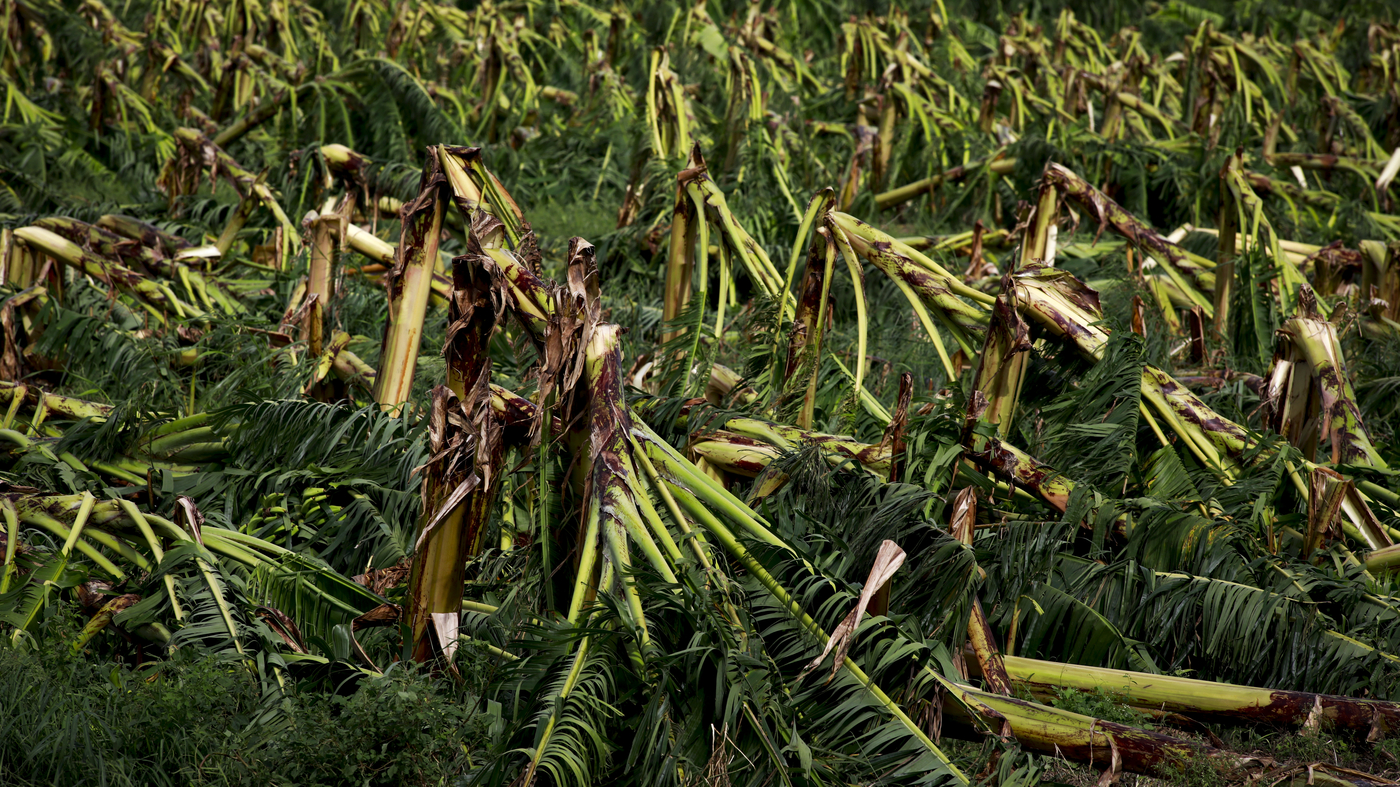
Earlier this year, a Grain SA survey indicated that 22% of grain producers in South Africa had lost more than 60% of their white maize plantings to water damage in 2022. Unfortunately, these events, such as the locust outbreak earlier this year and ongoing load shedding, continue to threaten farming assets, crops and livestock, leaving vulnerable farmers with mounting expenses.
"South African farmers face countless challenges annually that threaten their valuable crops, livestock, and assets. In addition, natural disasters like heavy rain, hail, drought, and other factors like load shedding, can have a catastrophic impact on their bottom line," says Hanlie Kroese, segment solutions at Santam Agri.
To help the country’s essential economic contributors mitigate risks that can compromise their profits and livelihoods, Kroese offers the following advice to help farmers create and maintain sustainable businesses this festive season.
Protect your crops and assets
Farmers now manage their farms as commercial enterprises in a deregulated business environment. However, unpredictable weather patterns, climate change, and natural disasters are just a few risks farmers face to safeguard their crops and assets.
As one of the most risk-prone industries in the world, farmers must introduce effective risk management to safeguard their business operations. After all, hailstorms can destroy a farmer’s crop and leave them without a significant (and sometimes only) source of income. So, farmers must have ample knowledge and capital to anticipate these disasters and, most importantly, ensure they’re adequately insured.
Ensure you’re not underinsured
Underinsured farms are a growing concern in the country’s agriculture sector and can be unintentional or deliberate.
Underinsured refers to farmers who choose to ensure their property, assets, and business for less than the replacement costs, relying on the perceived likelihood that they won’t incur a total loss to save on premium payments. However, many farmers are only aware that they are underinsured once they claim. This usually happens when assets are not appropriately valued or aren’t insured altogether. To mitigate this, farmers must list all assets accurately and increase their value by 6-7% annually.
Farmers can avoid underinsurance through proper administration of assets, particularly in tough financial times. “We’ve seen a recent trend where farmers are reducing their cover or cancelling their policies to reduce their insurance costs as part of cost management initiatives in their businesses,” adds Kroese. Kroese says that the latter occurs due to declining farm income, lower profits, and difficulty making ends meet. However, the insurer warns that such actions are short-sighted and can be highly detrimental to the farmer.
"The biggest problem with this practice is that farmers reduce their cover when their margins are lower. Unfortunately, this practice also compromises their ability to recover from an adverse event due to lower cash flow. So, farmers should rather review their excess structure to save costs."
Protect against load shedding
South Africa’s agriculture sector is not immune to the country’s ongoing energy crisis, commonly known as load shedding. Load shedding wreaks havoc on the industry, forcing farmers to brace themselves for the impact of continuous interrupted power supply on production schedules, revenue, sensitive electronic equipment, and crime. To ensure they fully understand their indemnity from a policy perspective, farmers must speak to their intermediary or insurer to understand what they cover regarding power surges and other load-shedding-related damage.
Power surges also prove a particular problem: when the electricity returns after an extended outage, sending an increased current flow to a wall socket or an electrical box. The same principle applies to standby power with the likes of a generator. Power surges have the potential to damage any equipment relying on electricity. Therefore, farmers need to familiarise themselves with their insurance policy wording to ensure that their insurer has included a power surge as an insured peril.
“Every year in agriculture has challenges, and 2022 has proved no different. However, insurance products can protect farmers’ crops and assets against the perils of modern farming, giving farmers peace of mind of knowing they can focus on what matters most,” concludes Kroese.
Source - https://www.bizcommunity.com