Bucking the trend of being a “grudge purchase” for farmers, crop insurance offers not just financial protection but also stability in the unpredictable realm of farming. Land Bank Insurance Company (LBIC) managing director Pascal Siphugu highlights the vital role of this often-overlooked safeguard, turning the tables on the perception that farmers buy with reluctance.
Speaking to Food For Mzansi, Siphugu says it is not just about hoping for the best but preparing for the uncertainties that define agriculture’s ever-changing landscape.
“We all know that insurance is [often viewed as a] grudge purchase and even more so in the current economic environment with high input costs,” says Siphugu. “Farmers can barely afford the cost of purchasing all the inputs plus insurance, so most farmers are forced to go without insurance, which is risky and not ideal.”
It is for this reason that LBIC has recognised the importance of offering a diverse range of insurance products that are both accessible and cost-effective. These options cater to the distinct needs of various farmer segments, including emerging farmers, commercial farmers, and large-scale corporate farmers.
Which crop types are covered
With decades of experience in insurance, LBIC understands the intricacies of agriculture and the inherent risks associated with farming.
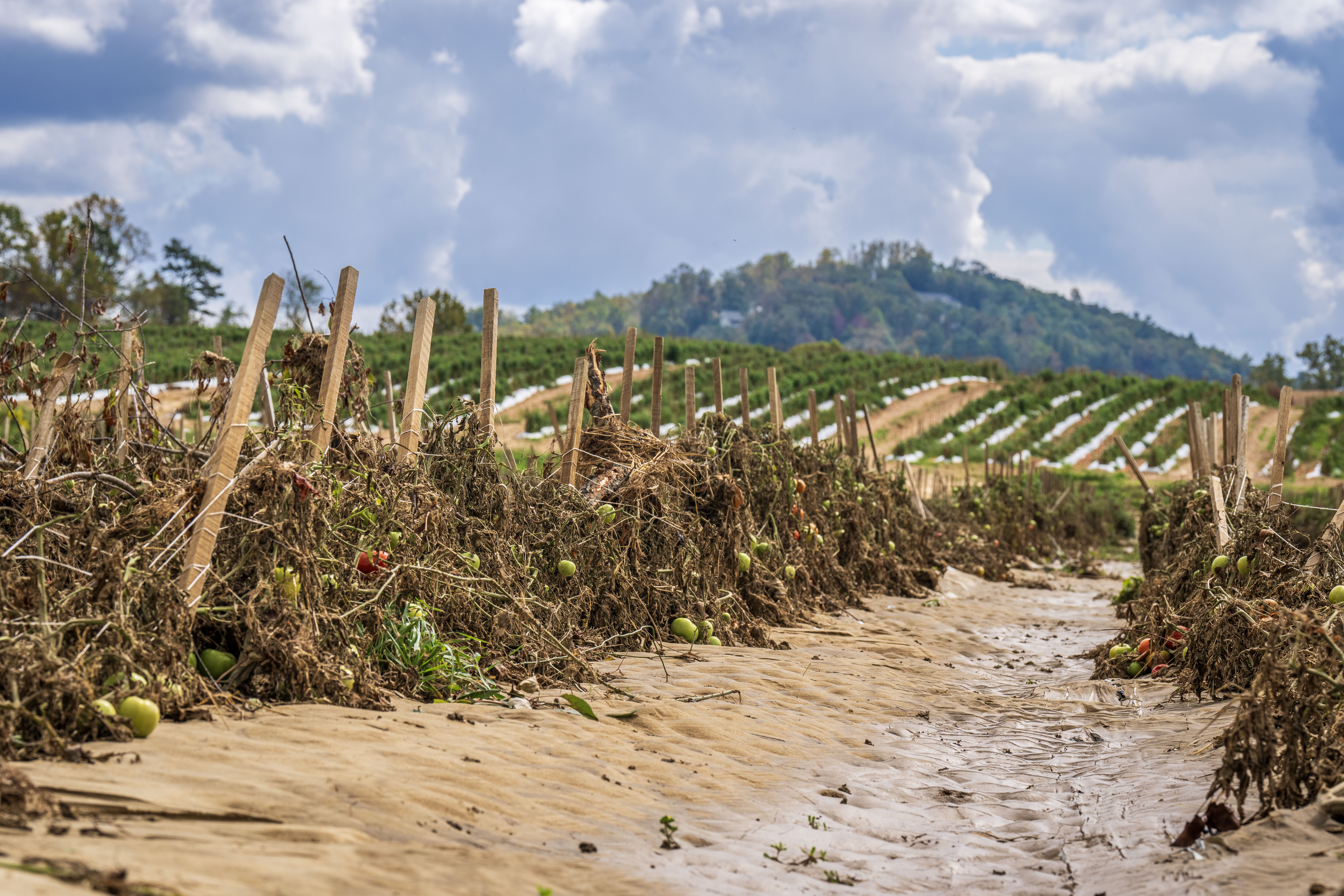
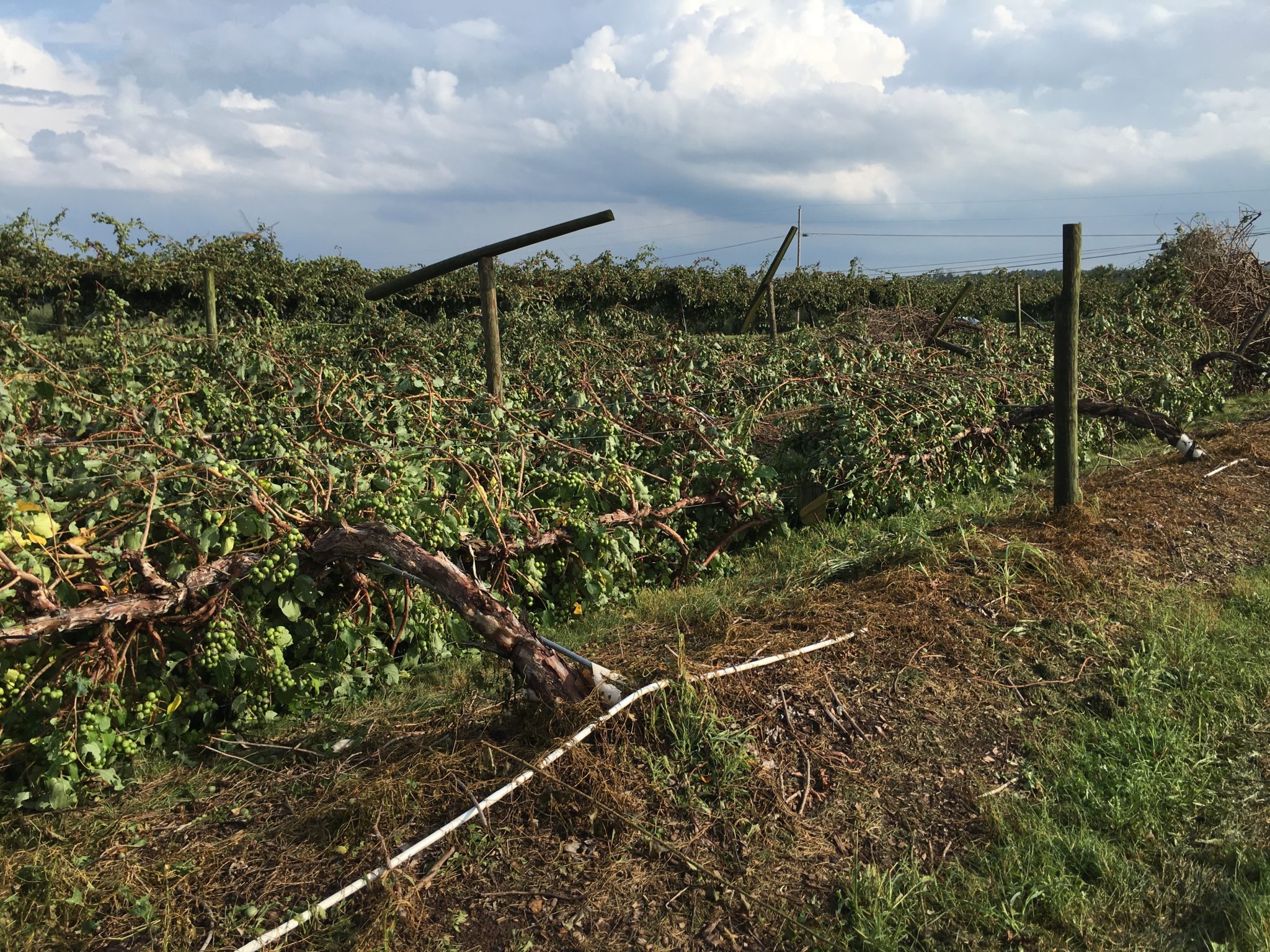
They know the fortunes of a farmer can shift from prosperity to adversity in a matter of minutes. For example, adverse weather conditions such as droughts, floods, hurricanes, or excessive rainfall damaging or wiping out an entire crop yield, ultimately leading to a loss of income.
“Therefore, to ensure farm sustainability and uninterrupted food security, LBIC responds to these weather risks by providing much-needed cover for hail, frost, damage caused by wind, damage caused by chemical spray, locusts, and damage during transit of produce,” Siphugu says.
Furthermore, LBIC also typically offers damage insurance against riots, strikes, and civil unrests, and is designed to protect farmers against losses resulting from these specific societal disruptions.
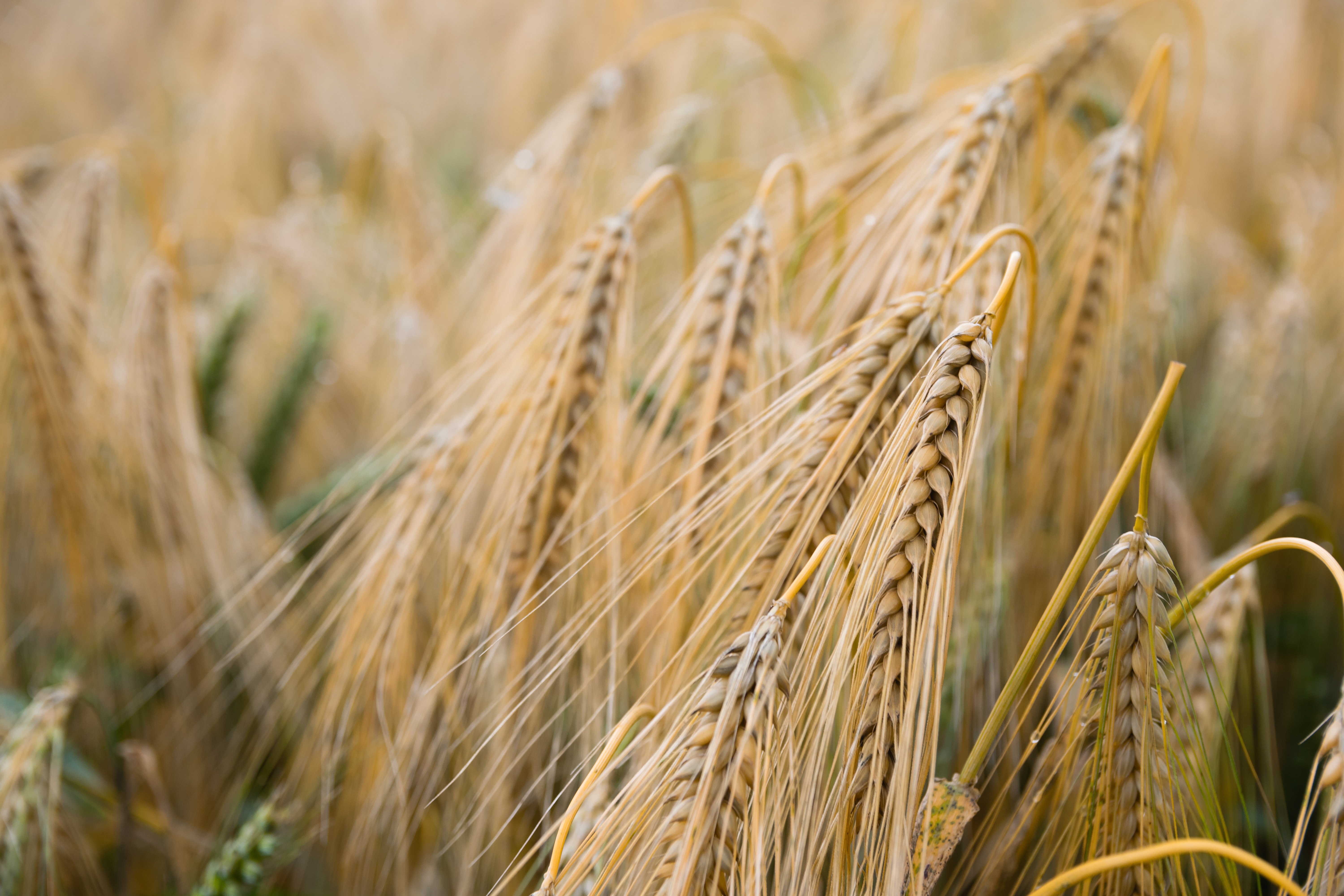
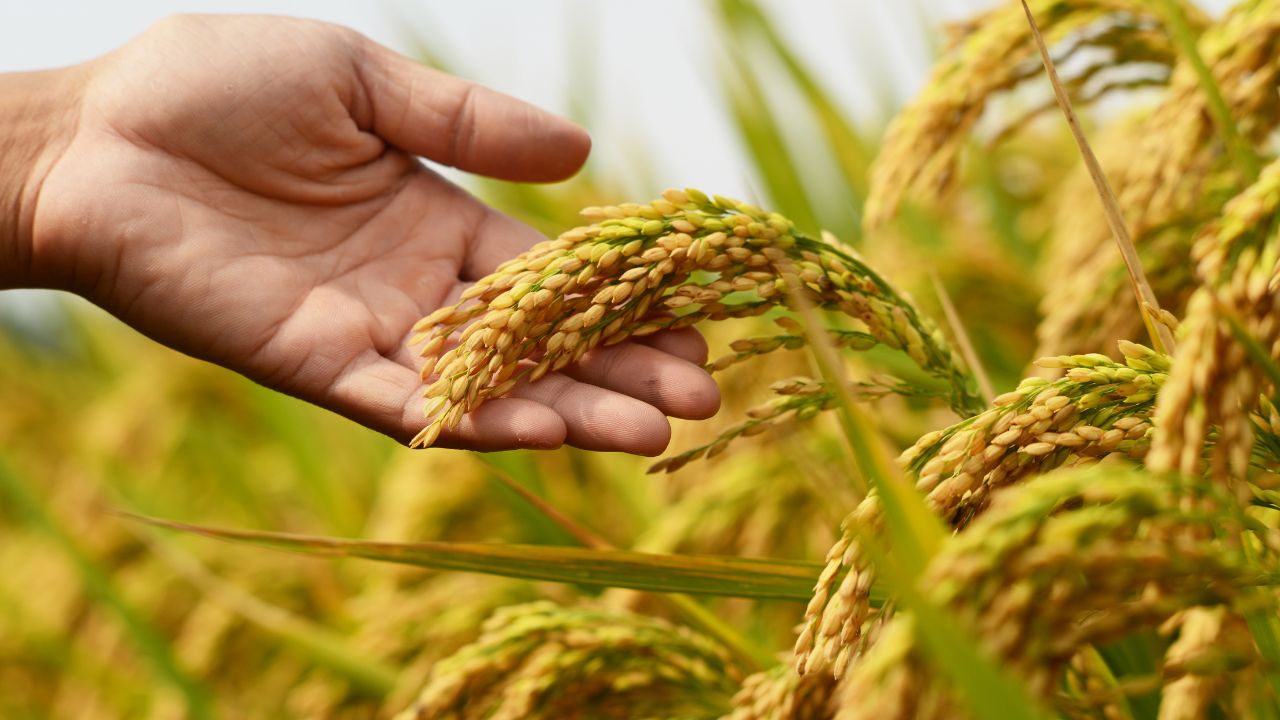
The range of crop types that can be insured with LBIC includes summer and winter crops, fruits, and nuts. The company also offers a specialist subscription that provides financial assurance and security for agricultural production investments from dangers beyond the insured’s management control.
How does it work?
To enrol in a crop policy with LBIC, applicants need to meet specific requirements. This involves providing necessary information such as Fica details, farm maps, crop types, land size per hectare, expected yield, market commodity prices, and more.
LBIC crop insurance products and services are only offered through an intermediated model that contains underwriters, administrators, and financial services intermediaries. This means that the services are not offered directly to farmers but are facilitated through an intermediated model involving these three key roles.
Farmers can get crop insurance through LBIC and its approved brokers. LBIC has over 500 broker agents nationwide, available in all provinces to assist farmers with their needs. This includes evaluating the appropriate level of insurance coverage for a farmer’s budget and selecting the best product option.
Future insurance offerings
The issue of affordability in insurance programmes, particularly in the context of agriculture, is usually a problem for most farmers. Globally, governments often provide subsidies, covering up to 80% of insurance program costs. But South Africa has been an exception to this trend.
However, there is a changing pattern, with programmes such as the blended finance scheme including subsidised insurance components.
In the long run, these types of initiatives are expected to make insurance more affordable for farmers, Siphugu believes.
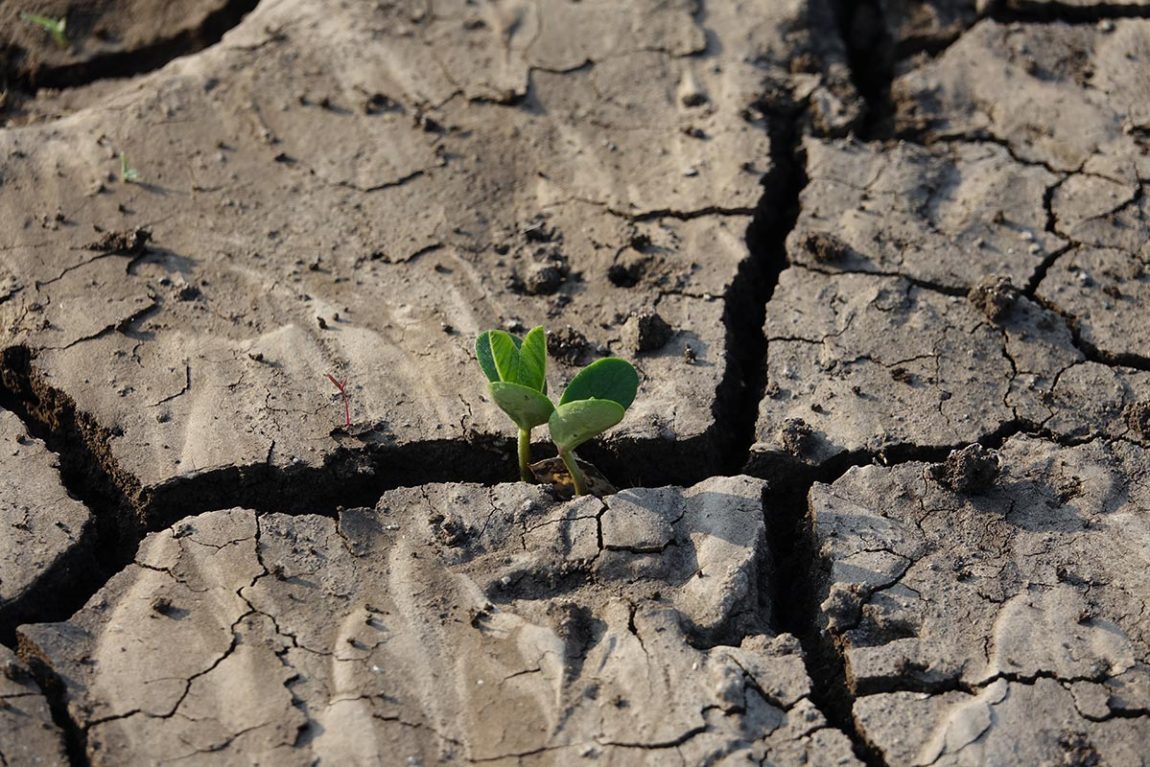
Something else to anticipate is LBIC’s insurance coverage for crop losses caused by drought.
“In response to escalating dry conditions, mainly attributable to climate change, we are introducing drought cover to assist with business continuity following drought-related losses,” Siphugu shares.
LBIC plans to seek support from both the government and the private sector to subsidise insurance premiums.
The goal is to emulate the approach seen in other developing and developed countries worldwide, where comprehensive insurance programmes cover not only drought but also floods.
This will secure financial assistance to make insurance more accessible and inclusive, covering a broader range of risks in the agricultural sector, Siphugu explains.
Source - https://www.foodformzansi.co.za