South Africa - Take action against crop sunburn as El Niño turns up the heat

03.01.2024 632 views

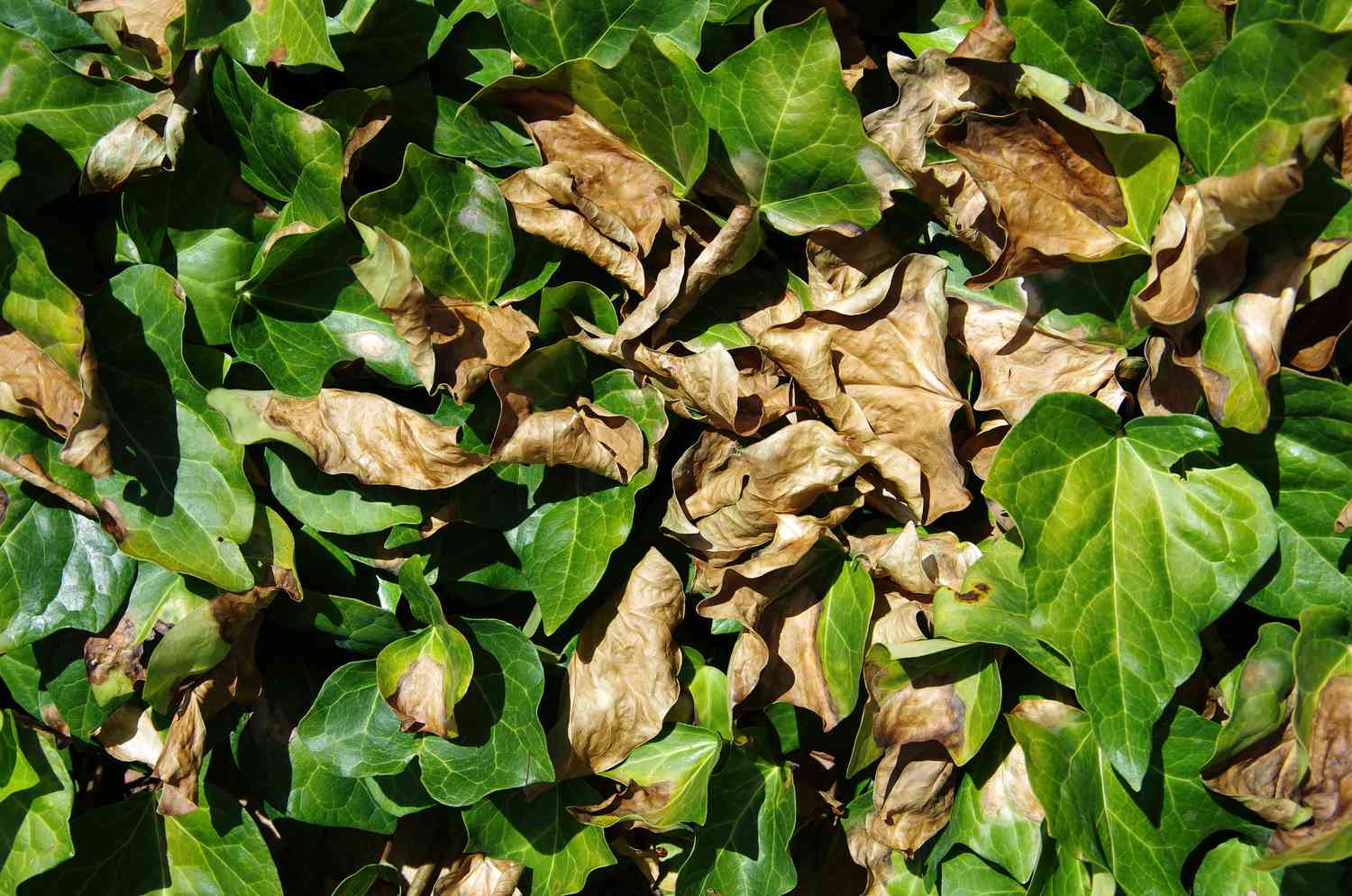
Experts expect hot weather to persist in many parts of the country this summer due to El Niño. Crop farmers are advised to be extra cautious and take care of their crops during this period to avoid crop sunburn.

According to KwaZulu-Natal crop farmer Donovan Gumede, this is concerning because when crops are exposed to intense sunlight, high temperatures, and dry conditions, they can get sunburnt. This is why he advises farmers to rotate their crops for a better harvest.

He mentioned that if farmers keep growing the same crops without rotating, they might attract diseases, and their crops could get sunburnt due to the strong sunlight.

Measures to consider

“Farmers should plant their crops in greenhouses in times when there is strong sunlight because they help reduce the strength of the sun rays. Also, shade netting helps farmers.

“Sunlight is good for our crops, but direct sunlight sometimes becomes a disadvantage and can affect crops negatively. The rays of the sun shine directly on the plant and drain the plant of its water and nutrients,” explained Gumede.

Meanwhile, Eastern Cape crop farmer Mhlobo Mbane said proper irrigation during these periods is crucial.

“Irrigation would assist a lot and farmers will benefit from it as it helps cool the crop and increases crop moisture when there are strong sunrays. Sunburn in crops reduces production yields and volumes per hectare,” Mbane said.

Risk to market access

Sophy Musabeni who is a crop farmer in both Limpopo and Gauteng, said when she experienced high temperatures, clear skies, and high sunlight radiation, she also experienced crop sunburn. There is a way to avoid it, however, she said.

“We can avoid it by installing shade nets and also greenhouses and maintaining good leaf coverage on the crops while avoiding excessive pruning in the crops and also pruning in summer. This is also known as leaf removal.”

Sunburn on crops also affects farmers at the market.

“Losing a share of the market is also a concern because no one wants to buy vegetables that are sunburnt. [Also], these vegetables aren’t suitable for processing because some crops rot faster when they are sunburnt,” explained Musabeni.

Source - https://www.foodformzansi.co.za

02.09.2026

Philippines - Bayambang declares state of calamity over P31-M agricultural losses

The municipal council of Bayambang has placed the town under a state of calamity after Tropical Storms “Luis” and “Maymay” and the enhanced southwest monsoon, or habagat, caused more than P31 million in agricultural losses.

02.09.2026

USA - Lynndyl farmers assess crop losses after 100 mph winds and hail

Farmers in and around Lynndyl are beginning to assess severe losses after a powerful weekend storm ripped through fields with destructive winds and hail just as some crops were nearing harvest.

02.09.2026

USA - New Insurance for Breeding Heifers

New LRP Coverage Aims to Reduce the Risk of Retaining Heifers for Breeding.

02.09.2026

Corn's $6 Surprise Could Change the Profit Math for U.S. Farmers

Corn may already be worth more than the board suggests as farm payments and incentives add about 52¢ per bushel to producer revenue.

02.09.2026

Philippines - Iloilo turns over P10M for farm, fishery insurance

The Iloilo provincial government has turned over P10 million to the state-owned Philippine Crop Insurance Corp. (PCIC) to expand insurance protection for farmers and fisherfolk vulnerable to losses from El Niño, La Niña, typhoons, pest infestations and other calamities.

02.09.2026

India - AP sees 1,263% rise in non-loanee crop insurance

The State witnessed a remarkable 1,263% jump in non-loanee farmer registrations, with their participation rising from 2 lakh in the previous Kharif season to 25.26 lakh farmers this year.

01.09.2026

South Africa - Grain SA calls for affordable crop insurance as dry weather threatens Swartland wheat

Severe rainfall shortages threatening the Swartland wheat crop have highlighted the need for government support to make crop insurance affordable for dryland producers.

01.09.2026

USA - Florida farms face nation’s highest disaster loss rate

Natural disasters destroy billions of dollars in U.S. agricultural production each year. From drought and wildfires in the West to hail in the Midwest and hurricanes in the Southeast, farms lose an average of $5.1 billion in crops and livestock annually, according to the Federal Emergency Management Agency.