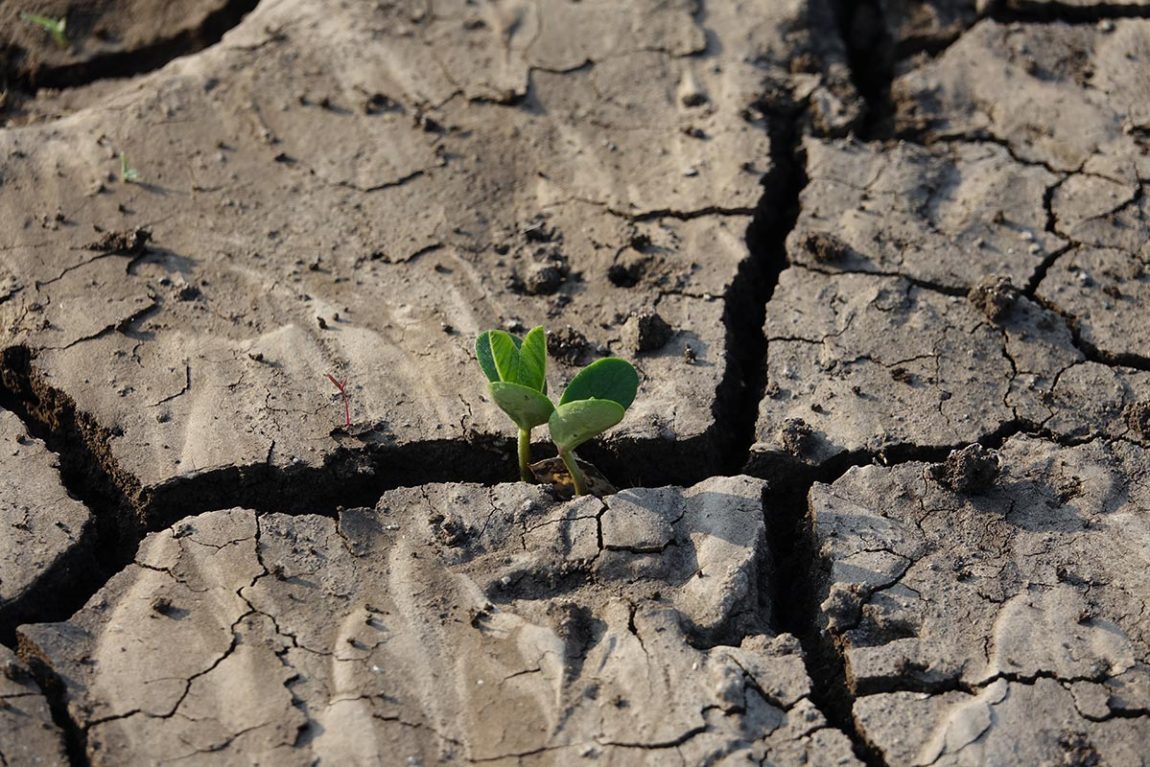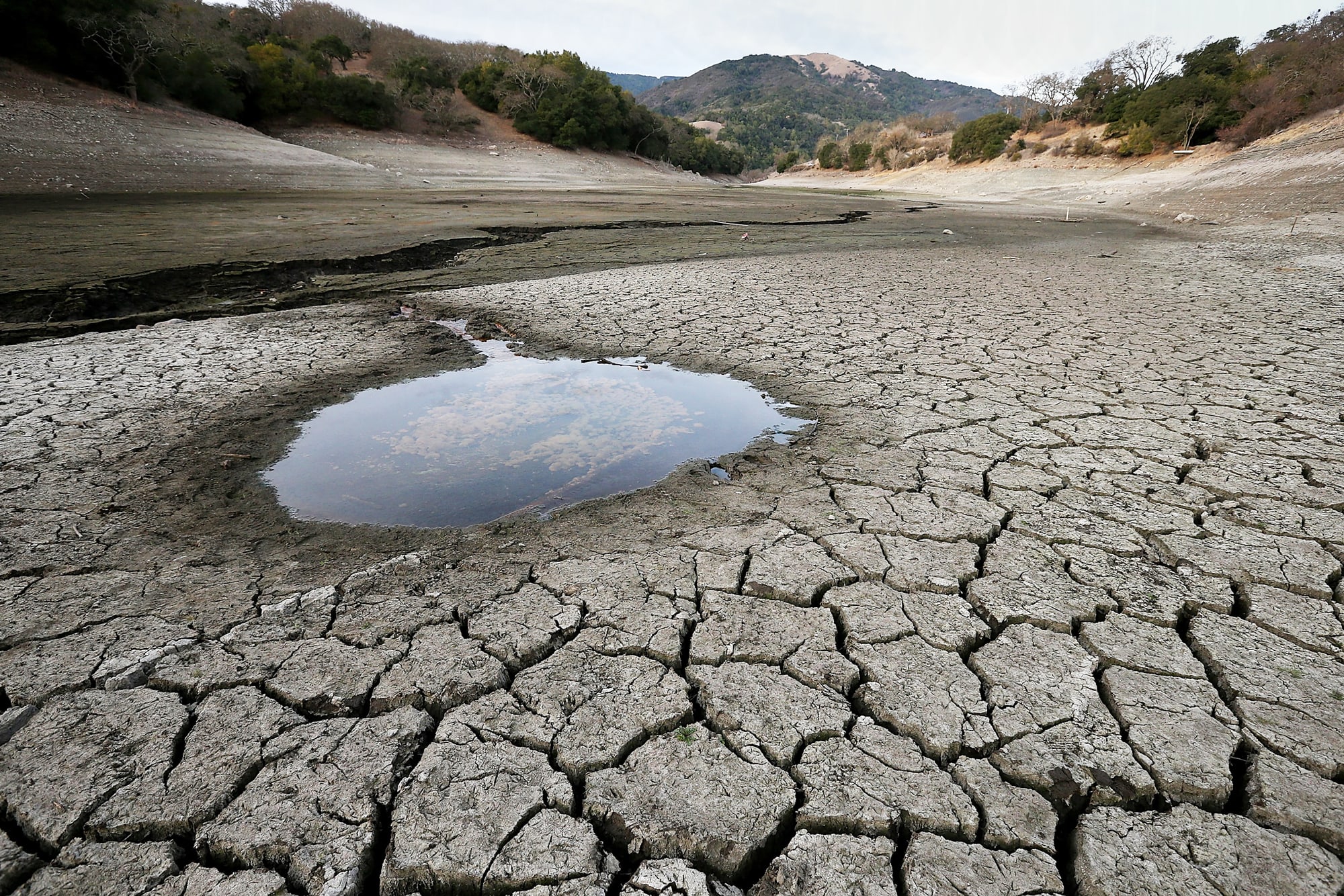
South Africa is naturally a water-scarce country – among the 30 driest countries in the world. But, combined with unpredictable climate changes that tend towards hotter and drier conditions, diminishing water tables, and the chronic mismanagement of water systems, water availability is becoming a cause for concern across all sectors of the economy.
Few sectors are, however, impacted as severely as agriculture. Field crops, fruits and vegetables rely heavily on irrigation, and combined, these crops mean that 33% of South Africa’s total farming income is directly dependent on irrigation. The livestock sector, which accounts for 43% of gross farming income, also requires water to keep animals hydrated and grow crops for feed and processing.
Africa is headed for bearing the brunt of food and water shortages
A concerning study recently published by the Center for Global Development¹ found that if climate change continues its current trend, 50 million Africans are likely to be pushed into water distress by 2050, which means that the quantity of water they will have access to is too little to meet their needs. With a higher demand for water resources than what’s available, water prices will skyrocket across Africa if significant steps are not taken to mitigate climate change and make water-saving a way of life.
John Hudson, Head of Agriculture at Nedbank, says that the high cost and limited availability of freshwater is driving the agricultural sector to find cost-effective ways to use water more efficiently. ‘Water is a limited resource and is not renewable, unlike electricity powered by solar, wind and hydro. So, we need to find ways to use less water to produce more food.’
A study published by the United Nations Environment Programme Finance Initiative (UNEPFI) suggests that South Africa may experience a reduction of 10% in average rainfall as soon as next year, reducing surface water runoff by up to 50% to 75%. Fortunately, it is very possible to increase a farm’s resilience to water scarcity. Low-cost and high-impact methods include improving soil health through conservation agriculture practices such as no-till farming, mulching and composting, and harvesting rain and stormwater or using grey water for irrigation.
‘At Nedbank we’ve long advocated for regenerative agriculture – a practice that involves building soil health, improving water management and using practices that reduce irrigation demands. By simply restoring the health of soil, its water retention properties increase considerably – so much so that the Unites States National Resource Defence Council estimates that a 1% increase in soil organic matter (an indicator of soil health) increases water storage potential by more than 187 000 litres per hectare,’ says Hudson.
Of course, water and food security are intrinsically linked, and the Center for Global Development research indicates that crop production in Africa will decline by 2,9% in 2030 and by 18% by 2050 if nothing is done to mitigate climate change. This will result in about 200 million people facing extreme hunger by 2050, while crop revenue loss of approximately 30% will cause a rise in poverty of between 20% and 30% compared to a no-climate-change scenario.
Make every drop count
Hudson says the evidence is overwhelming that we must do everything we can to save water while there is water to save. ‘While regenerative agriculture is a proven tool to ensure that the water storage capability of soil is maximised and improved water management reduces water usage and costs, farmers also need to ensure they’re getting the most out of the water they are using. A host of tech exists to enable this, including increasingly sophisticated irrigation systems.
A little-known fact is that a well-designed centre-pivot irrigation system offers 80% to 95% efficiency in application² compared to around 70% for flood systems and other sprinkler irrigation methods. This improved efficiency is what prompted Nedbank to partner with Agrico, the leading manufacturer in South Africa, to offer enhanced financing options for new centre-pivot irrigation systems. ‘Our partnership is making this technology more accessible for our clients, as we offer finance of up to 100% of the cost of the system at preferential interest rates over financing periods of up to 10 years.’
Agrico’s centre-pivot irrigation systems offer numerous benefits to ensure that every drop of this precious resource is used optimally. Nozzles uniformly distribute precise amounts of water with minimal losses due to run-off and evaporation. This prevents overwatering and ensures that the correct levels of moisture are maintained in the soil.
The system is also compatible with LEPA (Low Energy Precise Application), which places sprinklers much closer to the ground and reduces the spacing between them to maintain irrigation uniformity. This means water is placed directly at the root zone, greatly reducing evaporation caused by strong winds or high temperatures.
The Agrico Web Control system is another game changer, offering farmers real-time monitoring and automation of their systems via an app on any smart device from anywhere in the world. Through this platform, it is possible to adjust the water delivered by adjusting the speed of the pivot, while variable speed drives (VSDs) enable users to adjust the running speed of the pumps to adjust the flow and pressure output, delivering water efficiency at the touch of a screen. Using the latest GPS technology, centre pivots also shine in uneven topographies. Combined with the latest control software, the pressure of water supplied to the machine can be adjusted according to its position, also resulting in major energy savings.
Join the climate resilience conversation at Nampo
Ways to mitigate the water crisis in the agricultural sector and more will be debated at the Nedbank stand and on the Nation in Conversation stage at Grain SA’s Nampo Harvest Day in Bothaville from 14 to 17 May 2024. Discussions will centre around key issues, including the roles of generative artificial intelligence, digital innovation and e-commerce in the sector, climate resilience and transformation, and the value and importance of partnerships throughout the agricultural value chain. Agrico’s irrigation technology will also be on display at Nampo, and the team will be offering demos of their web control system.
Source - https://www.zawya.com